Saturday, April 19, 2008

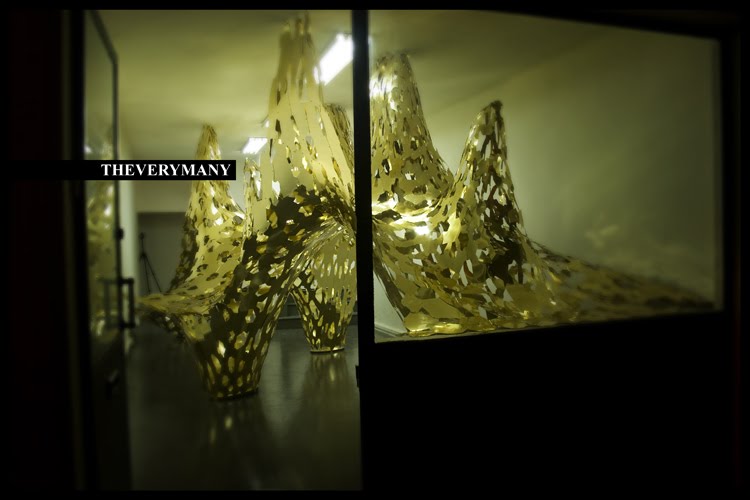
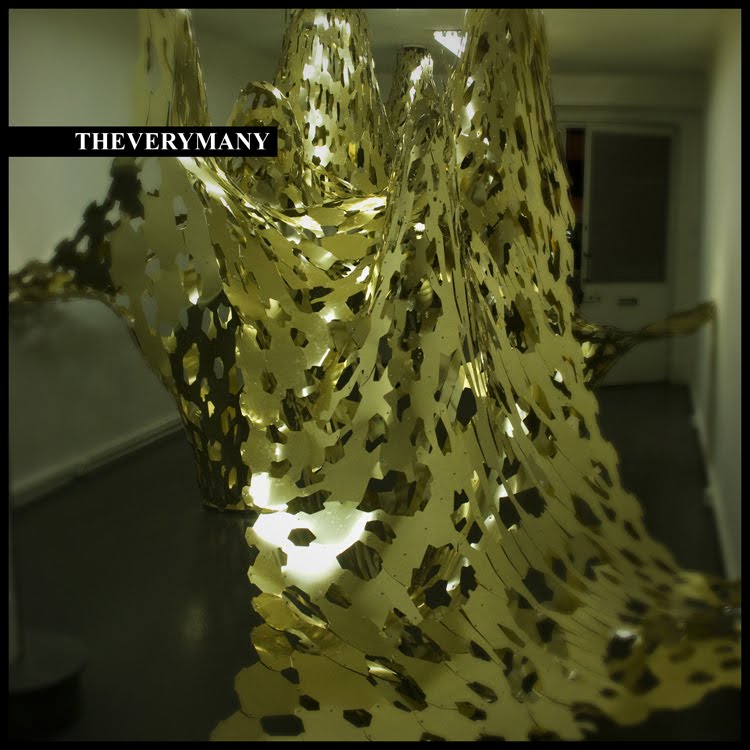
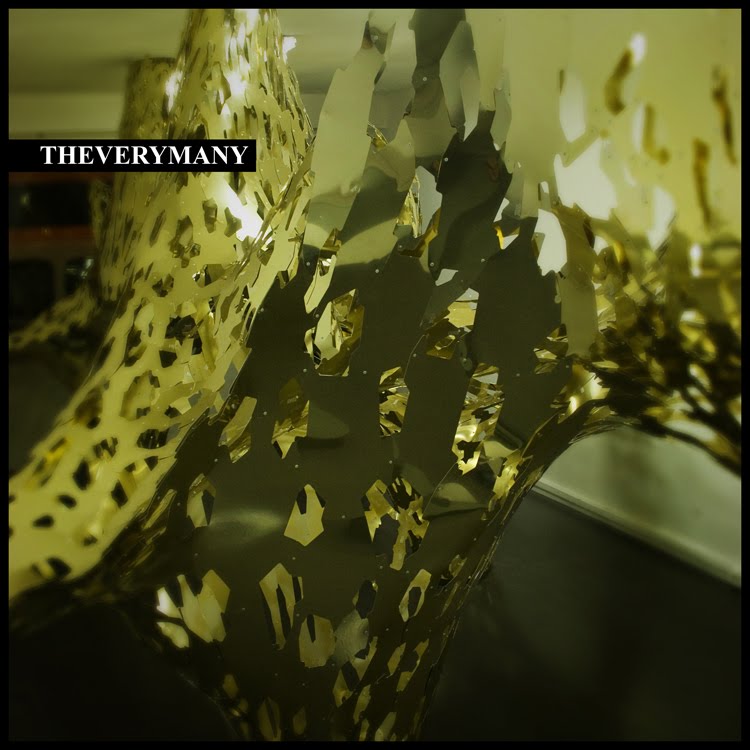
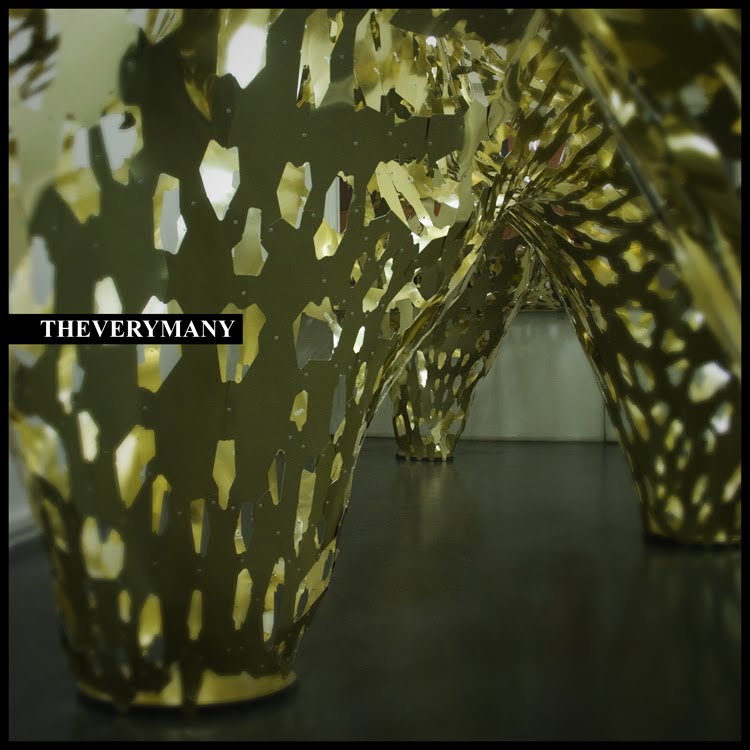
080406_APERIODIC VERTEBRAE v2.0.2


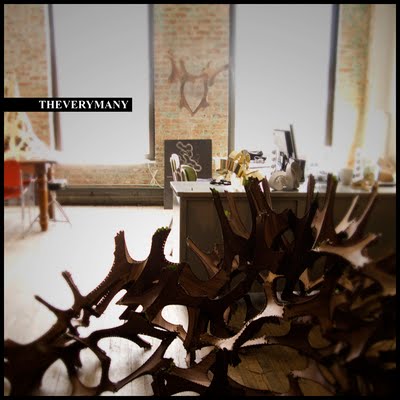
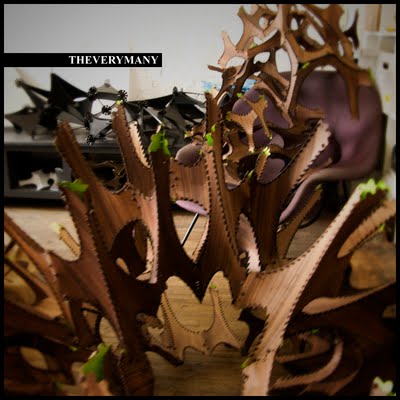
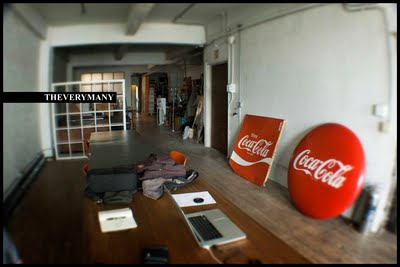
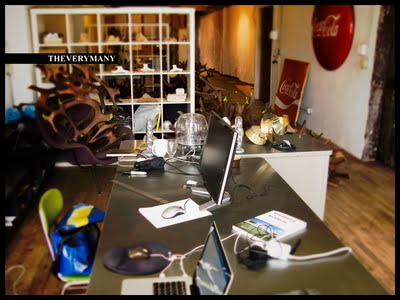
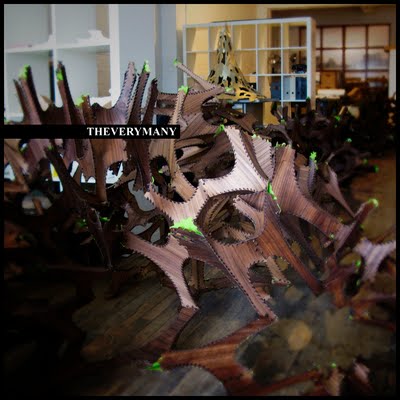
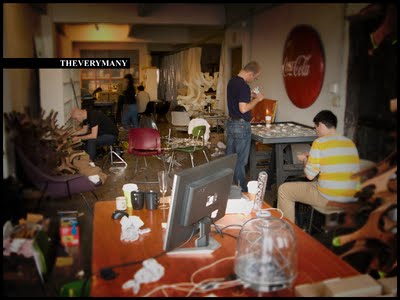
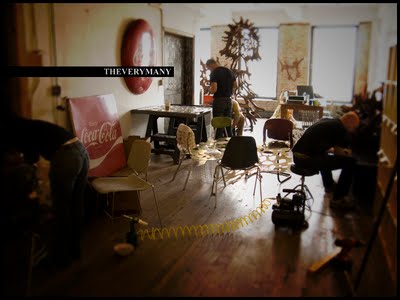
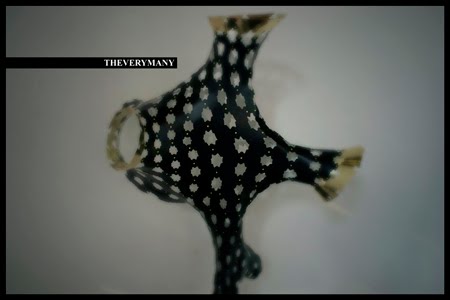
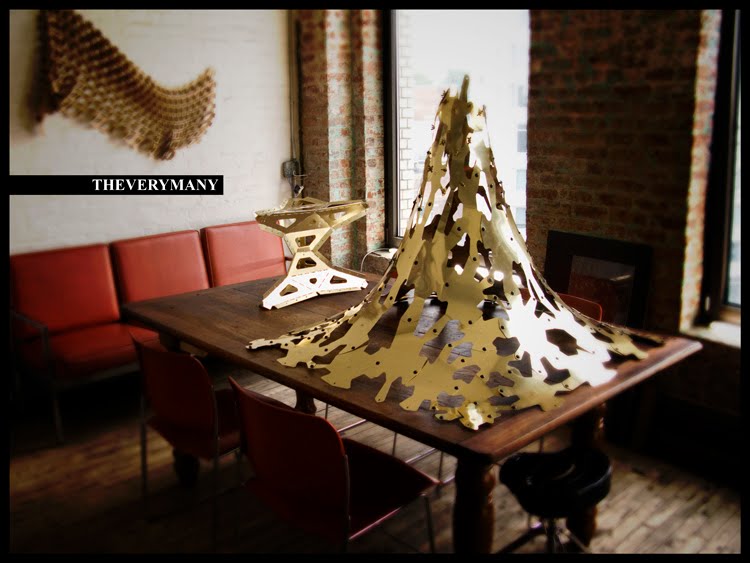
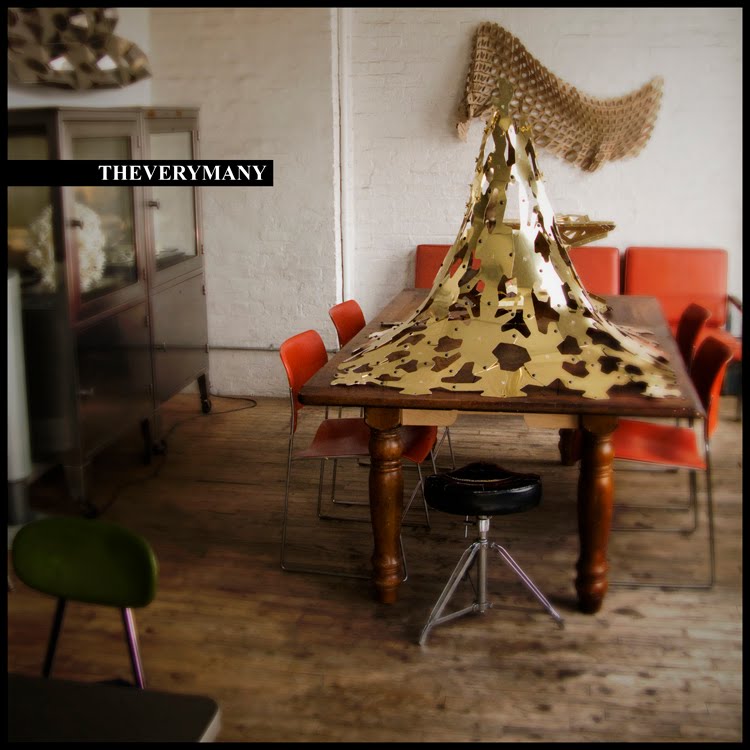
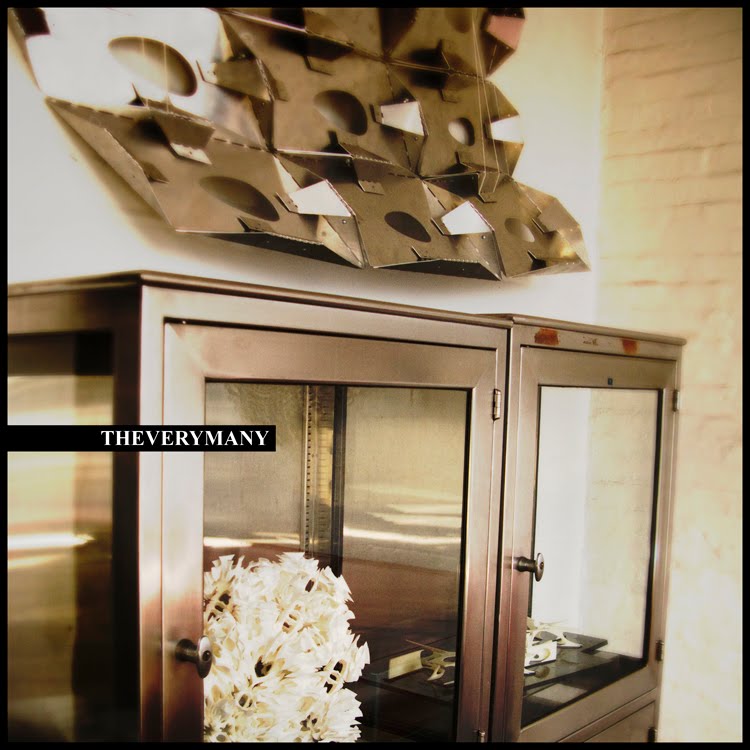
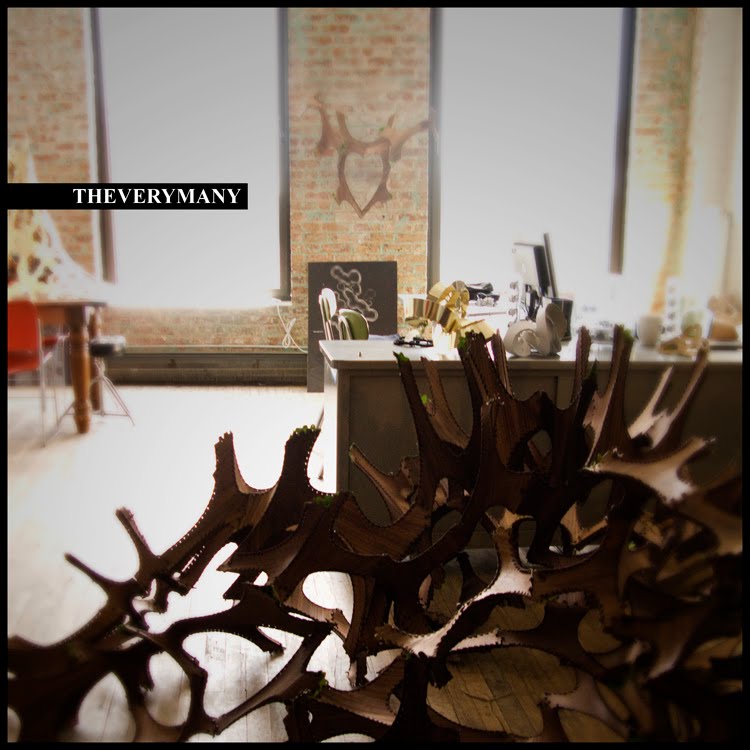
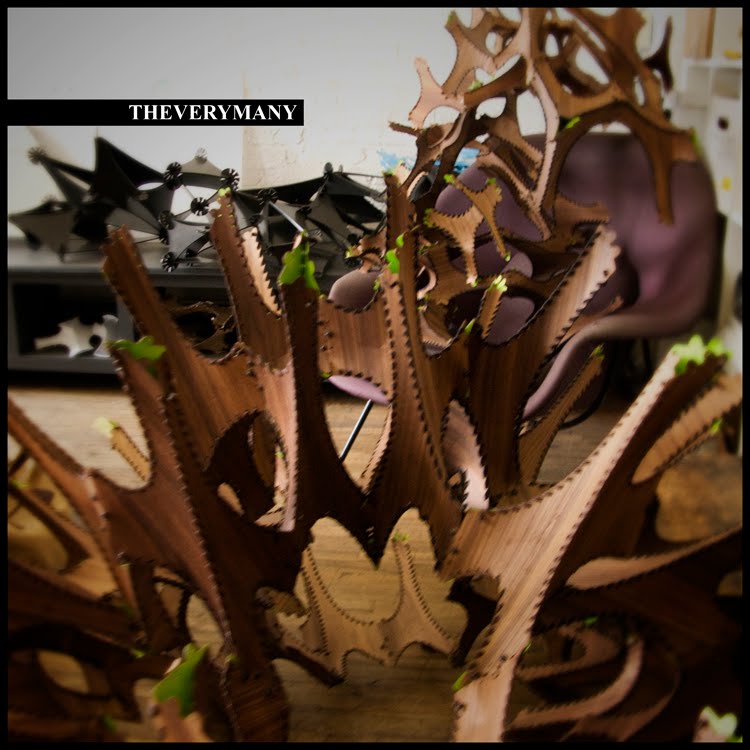
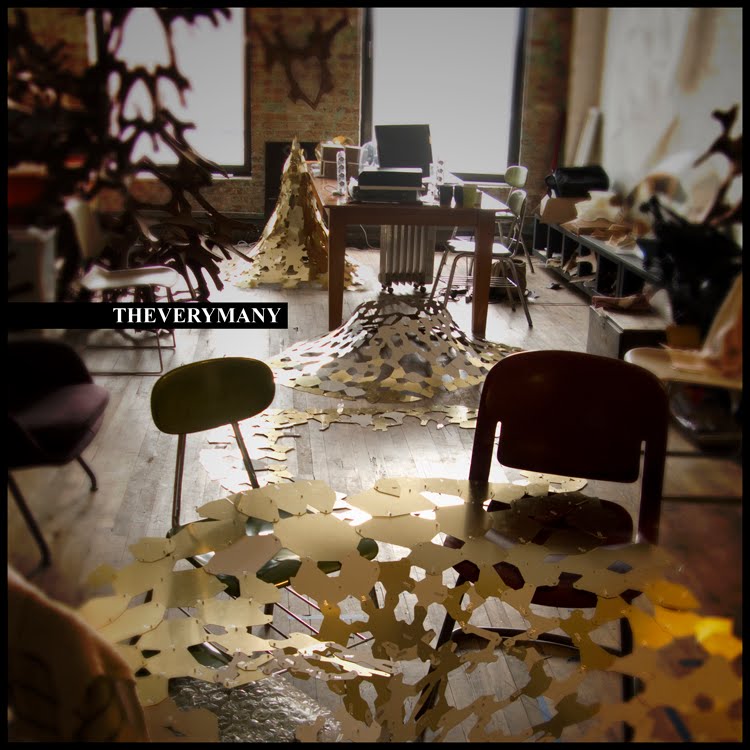
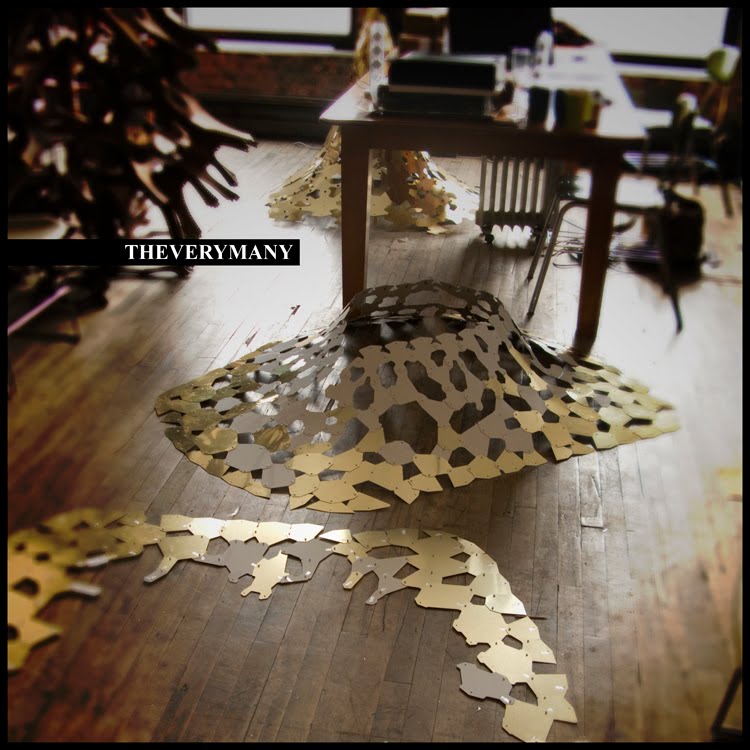
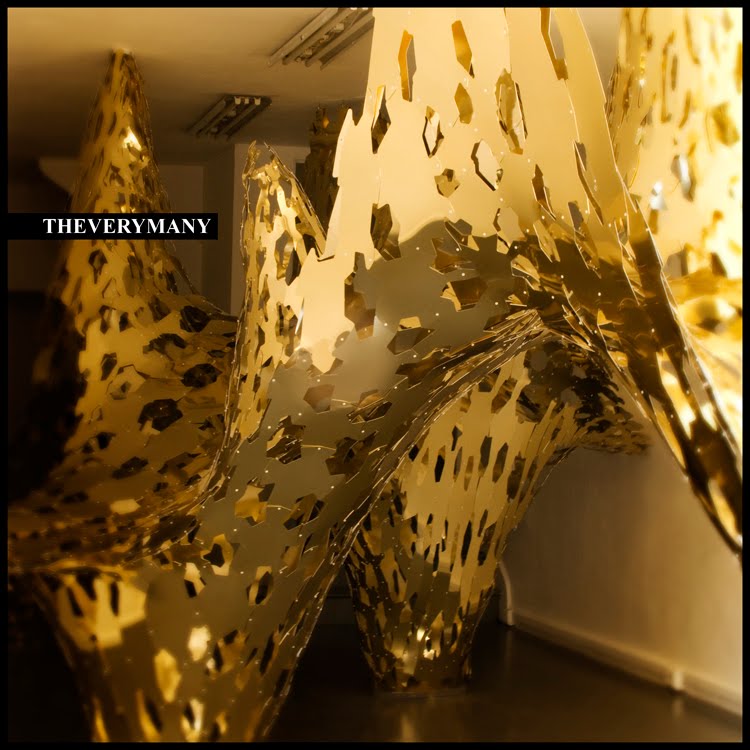
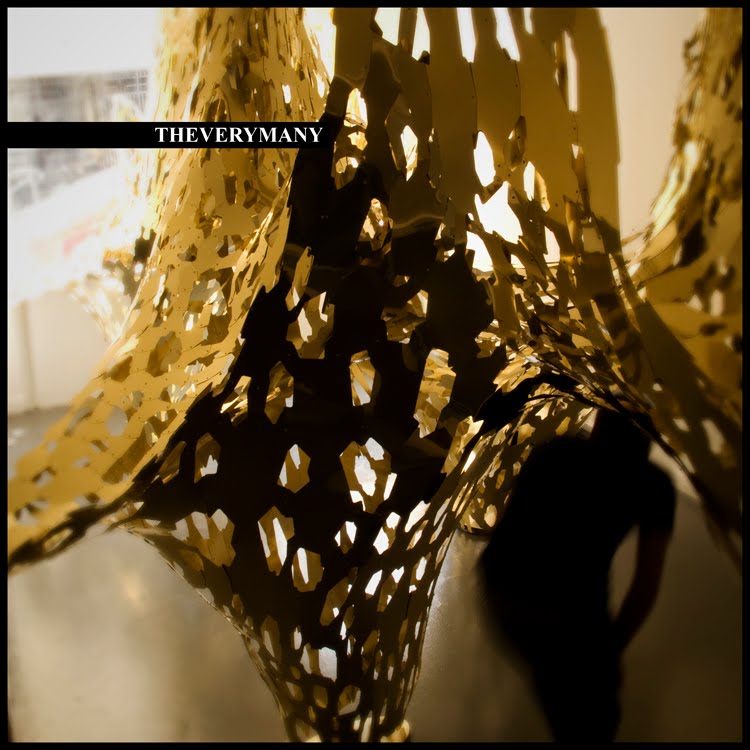
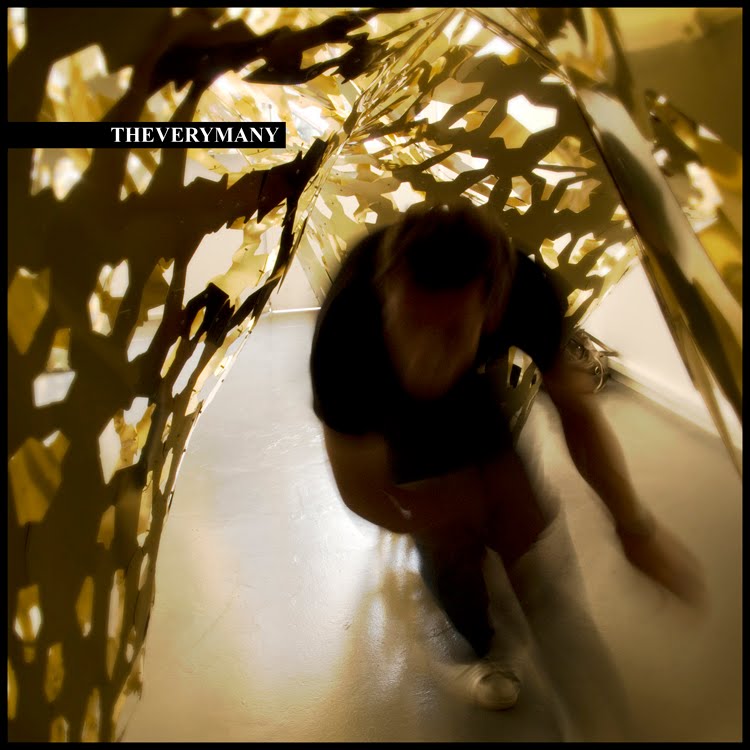
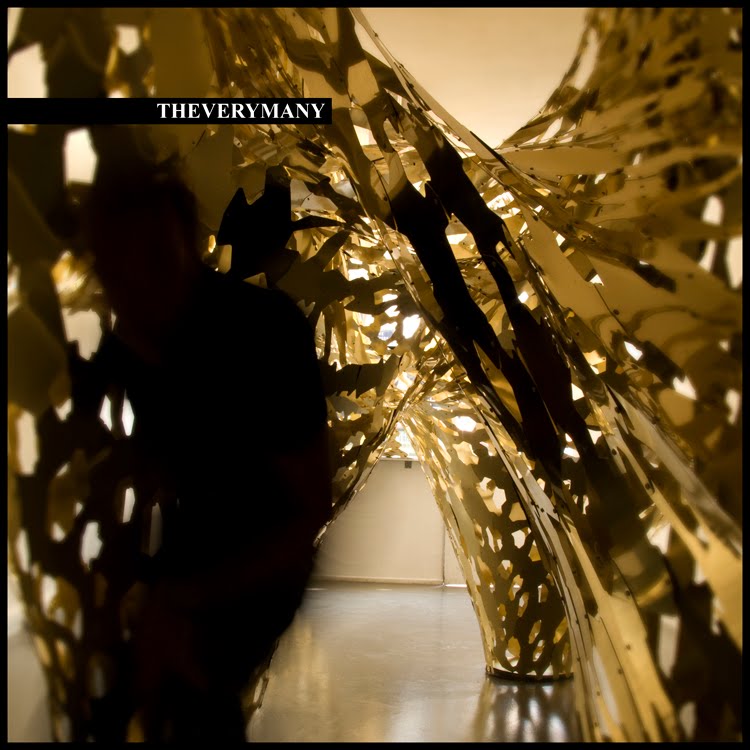
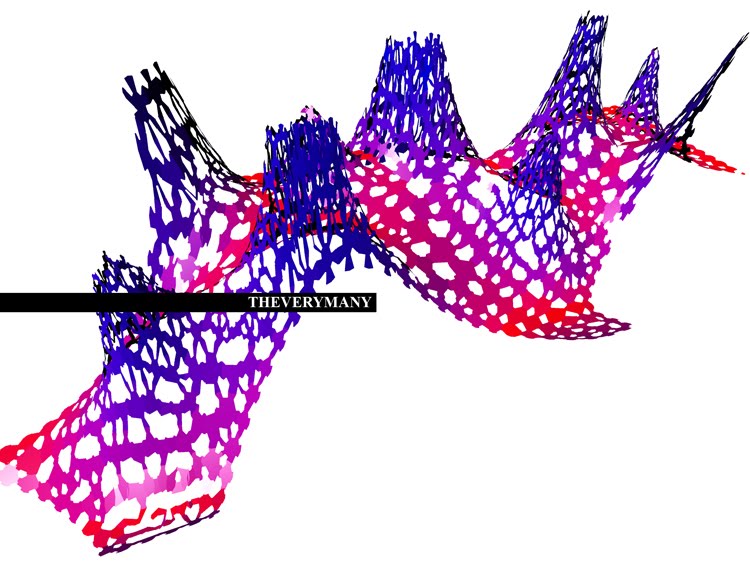
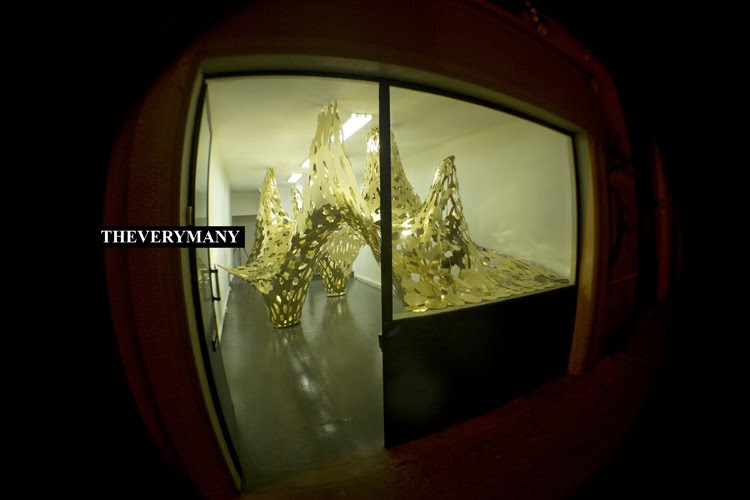
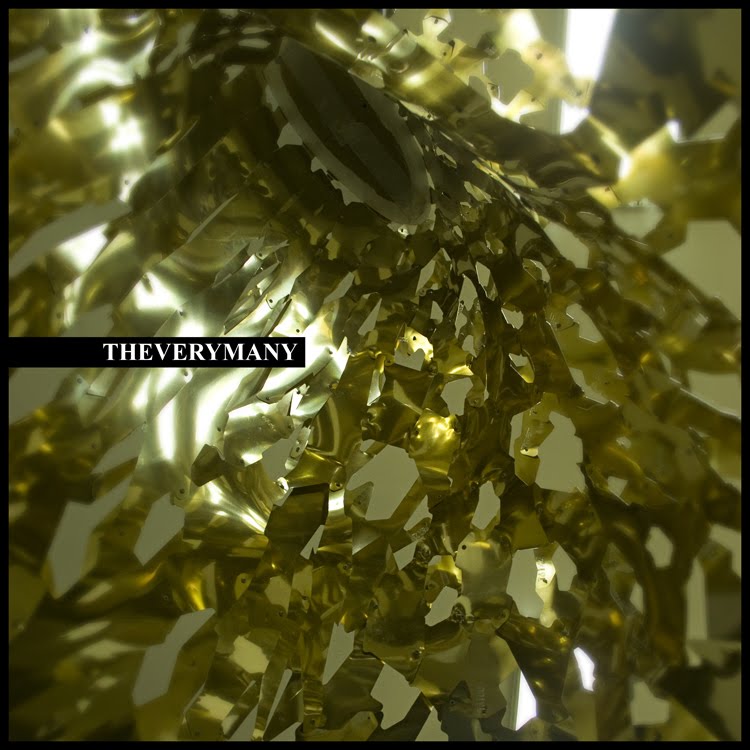
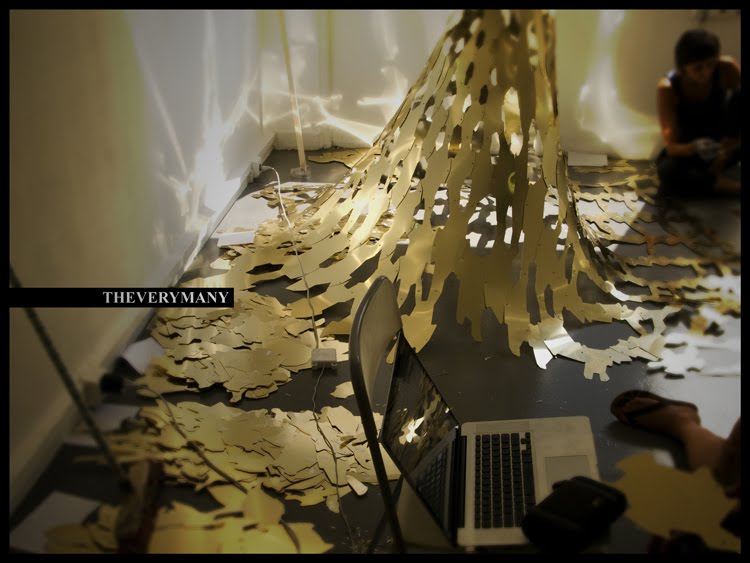
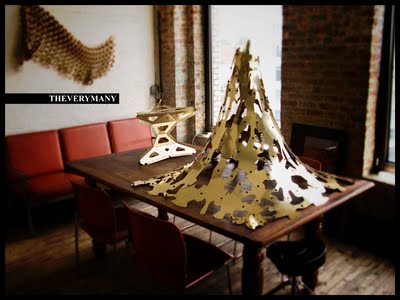
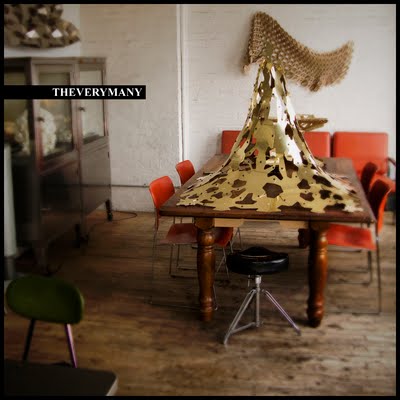
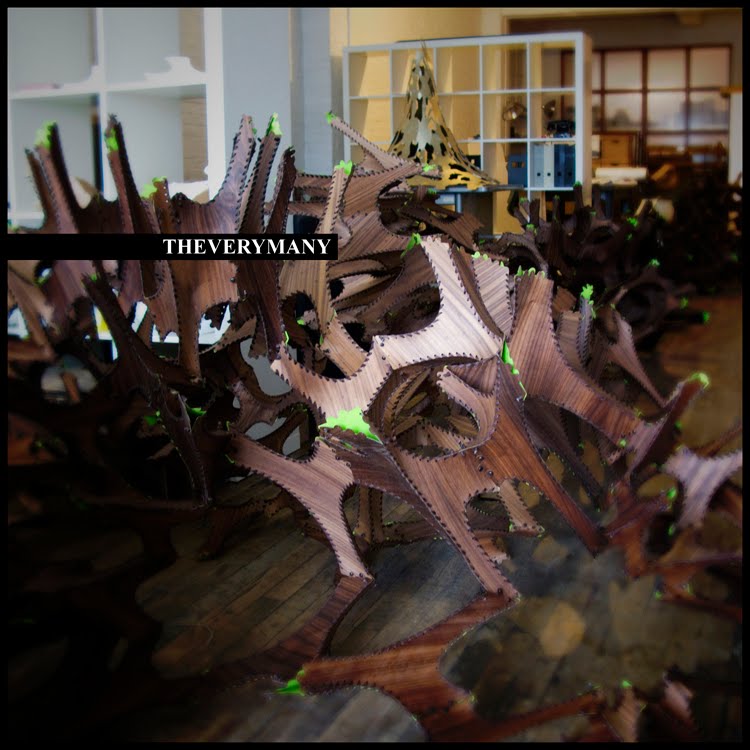
Finally back from several events and wanderings all over the place (Paris, New York, Frankfurt, Strasbourg, Barcelona,...) - here is a first update on the prototype THEVERYMANY produced for Node08 / Frankfurt.

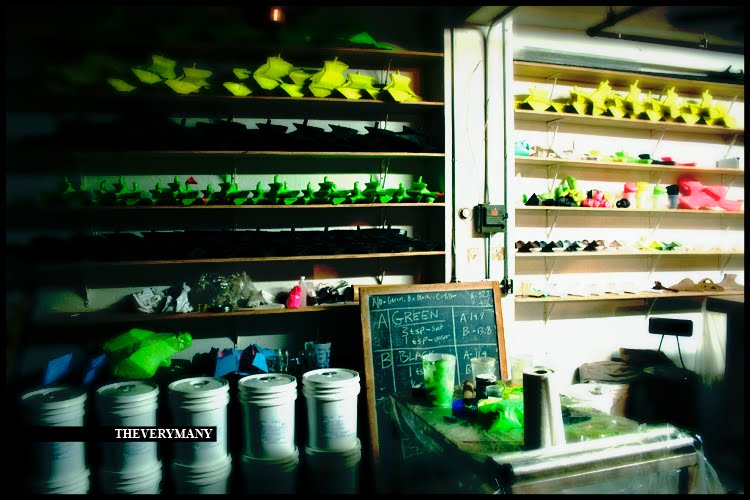
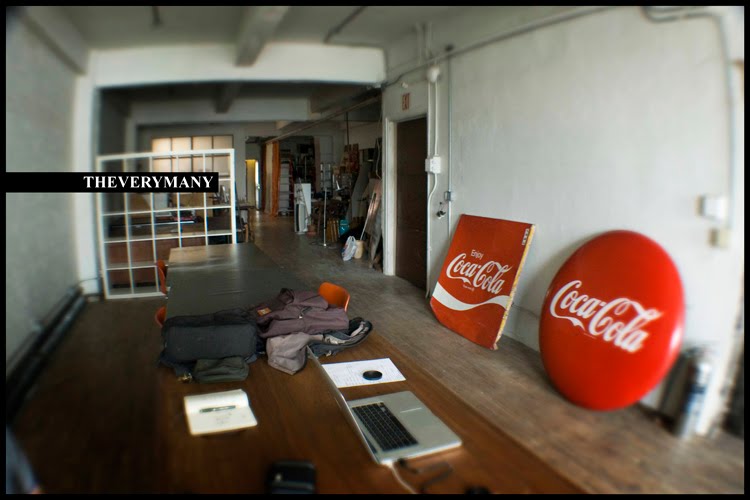
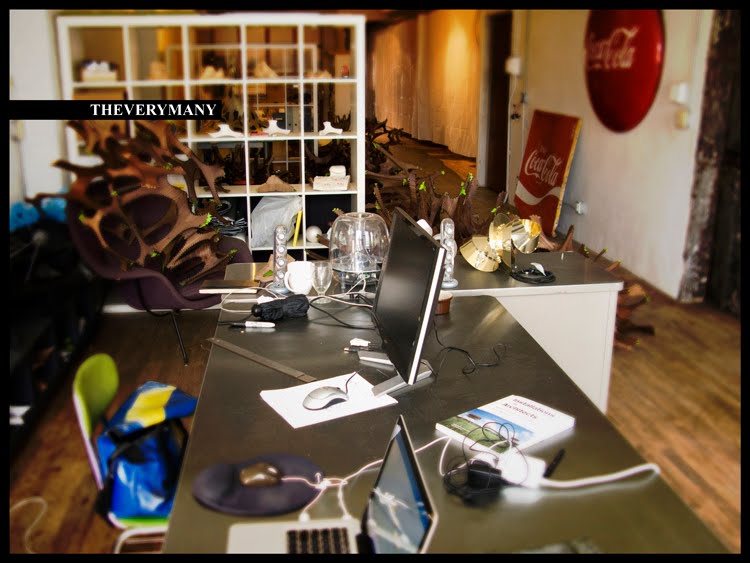
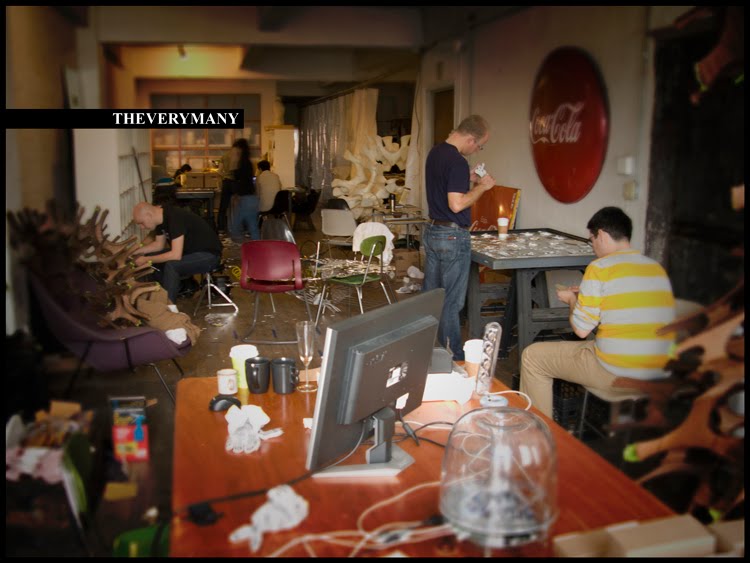
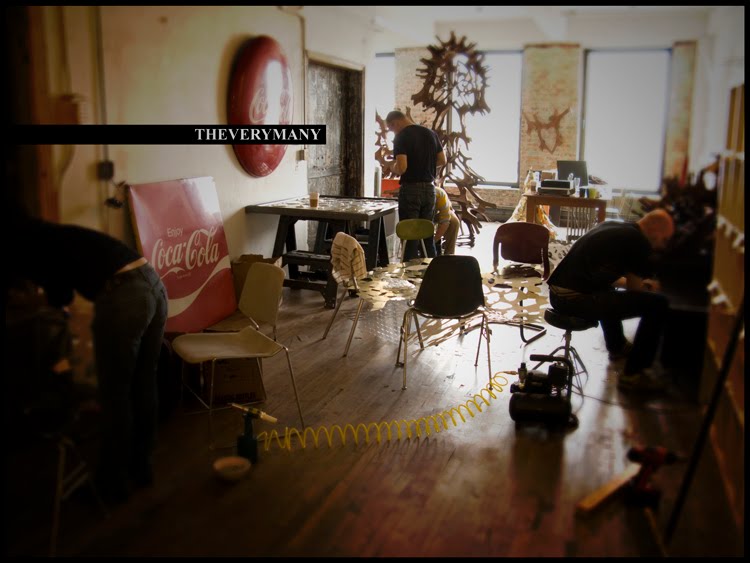
Its assembly has this time been a success (and hughe improvement since v1.0) as it took less than 24 hours & 2 people & 2 laptops to (re-)assemble the 360 panels and 320 nodes...

Once more demonstrating us "one better spend its time within development embedding assembly logic rather than waiting the material world to solve the fuzzines..."

(I will update the "information modeling" improvements on the previous post more focused on the digital back bone approach of the piece...)


"Aperiodic Vertebrae v2.0"
THEVERYMANY (project team: Marc Fornes / Skylar Tibbits)
NODE08 (www.node08.vvvv.org)
April 5th - 12th, Frankfurt / Germany

Many thanks to Eno Henze (http://www.enohenze.de/) & the entire VVVV team (http://vvvv.org) for their invitation & sponsorship

Also many more thanks to our sponsors for the piece:

- Quadrant EPP USA, Inc. (www.quadrantepp.com) > provided us sheets of polyethylene (3/16″ thick)

- Continental Signs (www.continentalsigns.net) and Jared Laucks > CNC cut of the panels

- Dick Dunlop > laser cut of the 320 unique connections (3/16″ acryclic)

Labels: , , , , , , , , ,

Sunday, April 06, 2008

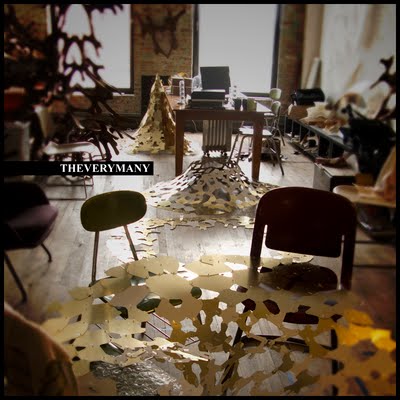
080406_APERIODIC VERTEBRAE v2.0


"Aperiodic Vertebrae v2.0"
THEVERYMANY
(project team: Marc Fornes / Skylar Tibbits)
NODE08 (www.node08.vvvv.org)
April 5th - 12th, Frankfurt / Germany

Many thanks to Eno Henze (http://www.enohenze.de/) & the entire VVVV team (http://vvvv.org/) for their invitation & sponsorship


TEMPLATES FOR FABRICATION:
Like the form finding, all the panels, connections pieces and "helpers" coded strings engraved have all been 100% the result of a performative explicit protocol entirely coded in vb...
That part - even though presented down the row as a formal exercice / sculpture - has always been though from scratch as performative test / prototypical methodologie/process to convince further consulting work...


Here are the templates for CNC milling of the panels; 12 unique shapes only are much easier to nest (simple arrays) than all custom pieces...
Many thanks to Quadrant EPP USA, Inc. (http://www.quadrantepp.com/) for providing the 7 sheets of polyethylene required (3/16″ thick)
Many thanks to Continental Signs (http://www.continentalsigns.net/) and Jared Laucks for the CNC cut of those panels


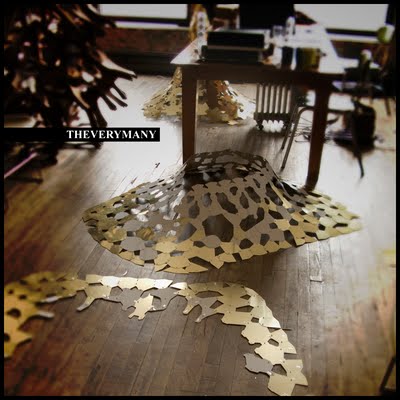
Here are 5 (out of 7) templates for the connections to be laser cut on acrylic sheets (3/16″ thick) - total of 320 unique pieces
Many thanks to Dick Dunlop for the access to the laser cutter (3/16″ acryclic)

Labels: , , , , , , , , , , ,

Saturday, March 08, 2008

080308_RecursiveGrowth_Series03


RECURSIVE SERIES (update 080308)

SIDE_TRACK ON RECURSION: "Droste effect" (wikipedia.org)
The Droste effect is a Dutch term for a specific kind of recursive picture[1], one that in heraldry is termed mise en abyme. An image exhibiting the Droste effect depicts a smaller version of itself in a place where a similar picture would realistically be expected to appear. This smaller version then depicts an even smaller version of itself in the same place, and so on. Only in theory could this go on forever, practically it continues only as long as the resolution of the picture allows, which is relatively short, since each iteration exponentially reduces the picture's size. It is a visual example of a strange loop, a self-referential system.


LOG "SMART GEOMETRY 2008":
I am just back from the smartgeometry conference 2008 hosted within the Coop Himmelblau BMW building in Munich (Germany) - even more than during the last year event in New York the historical consensus within the founding partner of the event on the specific platform sponsoring the event is definitively re-questioned - hopefully that artificially maintained monopole (clearly understood as a funding issue) will shift in the next venue toward a much larger agenda on the use of computation within the field of architecture - anyway many interesting work presented - sustainability and solar gain are definitively the hot topics...

to all the many people I have met through the conference keep in touch...

Labels: , , , ,

Thursday, February 21, 2008

080219_RecursiveGrowth_Series02


First images of a second series based on Recursion - here the major difference in morpholgy is due to tests for future connexions panels to panels - each panel is now sharing an entire edge with its neighbor but also with its previous generation...
Also the recursive subdivision isn't uniform anymore through the entire aggregate...

Labels: , , , , , , ,

Monday, February 18, 2008

080217_RecursiveGrowth_Series01


BIO(x)...

"BIOmorphic" it first became (or eventually came back for the one who believes in trend periodicity...)

"Architectural theory" directly responded early 2000 by the concept of "BIOmimetism" as the hot topic for architects surfing on the what's next weave after the "BIOmimicry" which emerged in parallel from the animation software at the end of the nineties... yes it does make sense to look "how nature would solved a problem" rather than looking at nature itself - though each of us had to re-discovered that yes "in nature form is free and structure is expensive"... and therefore -except if your extreme diva character allows you to afford sometimes absurd ways of manufacturing- one might rather look at post modernism as the human Nature way of saving on form (though btw also often wasting on structure via demonstrative cantilevers)...

"Ecologies" -which emerged nearly five years ago within the architectural discourse- seems to be still the current natural evolution of the Bio(x) phenomenon: yes there should be some kind of balance since so many different feedbacks can be input as parameters onto what is often simply pictured as a gigantic "design process dash board" aiming toward performances - it is somehow making sense, or eventually once more it should make sense...

This Bio(x) history has no intention to be accurate or exhaustive - it can definitively be seen as a very cliche summary - though here required as frame work or axiom of that specific series...


"BIOmodelism"

THEVERYMANY "series" have yet no pretention to be smart as biomimetism or aiming toward new ecologies... there are based on a very simple and straight forward oldschool empiric lab approach trying first to understand existing mathematical/geometrical models as explicit and ordered sets of instruction, learn to replicate them through coding and finally within that process strategize in terms of design...

That last step often result in compromising the integrity of the original model - I am calling that approach "Modelism" as a derivate from "building model" where you're first trying to understand the kit of parts and then reassemble it to match the model - THERYMANY "series" are based on such process except that it is somehow like building blind or simply without the schematic where the emergent tolerances are distinguishing the result as "design" from its diagram...

Though yes - as some of those models are directly coming from early ways trying to replicate natural phenomenon - a direct resemblance to nature often emerge through the resultant form and structures...

this can sometimes reveal itself quite tricky looking at the current trend of Voronoi mimicry, soon it will replace the post modern box as standard! though at least for once intricate detailing about it and a slight notion of scale could transform it into architecture rather than simply inhabitable diagrams... sorry for such sarcasm as THEVERYMANY has actively collaborate to its success but as sort of young Jedi constantly trying to master new techniques within the field, I am afraid many more prototypical models will than unfortunately follow such downfall...

THEVERYMANY « Series » - "une histoire a suivre..."


RECURSION in mathematics and computer science, is a method of defining functions in which the function being defined is applied within its own definition. The term is also used more generally to describe a process of repeating objects in a self-similar way. For instance, when the surfaces of two mirrors are almost parallel with each other the nested images that occur are a form of recursion. (ie wikipedia),

RECURSIVEGROWTH - Generation 1 to 7 - is based on a coming back to "Recursion" (ie previous tests on subdivision, etc...) as the ultimo model of periodicity - why periodicity after many non-linear approaches? simple: the last series based on aperiodic tilling or replication were used because of high repetition within its model - therefore whenever one is approaching the concept of repetition its ultimo and endless quest is maximizing it...

periodicity for its advantages: easy nesting because exact same elements, also therefore easy nomenclature, ornamentation can be more intricate as repetitive, etc...

material system: flat panels - 4 types - also high repetition within the connections
to be continued...

Labels: , , , , , , ,

Friday, February 01, 2008

080131_Exhibition: Aperiodic_Vertebrae (day4)


"Generator.x 2.0: beyond the screen..." an exhibition curated by Marius Watz at the DAM(Berlin) with works by Jared Tarbell (US), Commonwealth (US), Theverymany (FR/US), Leander Herzog (CH), Marius Watz (NO) and participants of the Generator.x 2.0 Workshop...

THEVERYMANY (Marc Fornes, Skylar Tibbits) / Aperiodic_Vertebrae
LOG_assembly_day_04: things are going smoother - one day to go before the opening...

Labels: , , , , , , , , , , , ,

Thursday, January 31, 2008

080130_Exhibition: Aperiodic_Vertebrae


THEVERYMANY has been set up based on a continuum research on explicit and encoded protocols within design - the first implicit consequence of its core is to let traces; those traces - often under the format of simple text files - allow to exactly reproduce or alter the model, eventually share axioms... but it somehow also requires to admit and assume those traces, if so, one can learn from mistakes, errors and/or tolerances of previous stages or generation based on feed back...


Yesterday was the kick start in Berlin of the assembly process for the installation -once again the amount of components generated through a long chaine of various small codes / utilities has directly revealled "dirt"/issues hidden behind a fast/furious seamless process... yet nothing extraordinary beyond the purpose of a physical mock up: large scale test for a complete automate pipe line of form & drawing generation...


DIRTY DIGITAL:
One of the significant issue we came across is related to the nature of tiling and computation - the subdivision algorythm is based on a recursive protocol (or SUBSTITUTION) which is first drawing a primitve pyramide (within a choice of four primitives) which then gets subdivide - the process is repeated many times within itself to generate self-similarity... the issue there is that within each generation the protocol requires to "compare" (points, lenght, areas, etc...) and that matching process needs to determine whether two geometry or parameters are "equal" given an inevitable rounding errors... unfortunately the rounding errors are bound to accumulate whithin each generation...

Yet it wasn't any special issue except when point connection gets generated and therefore requires to increase the tolerance factor not to miss any neighbors... though applying overal tolerance is triggering other error trapping while small naming or matching utilities code are running as host on the larger protocol...

Anyway - suming up it is yet still triggering slight erros and confusion - though I'd like to be transparent and learn within those error trapping - it is defintively part of a certain material paradigm debugging...


Let see which surprises are we getting tomorrow...
"a chaque jour sa peine..."

Labels: , , , , , , , , , ,

Friday, January 25, 2008

080124_Exhibition: Aperiodic_Vertebrae


THEVERYMANY (Marc Fornes, Skylar Tibbits) has been kindly invited to exhibit a physical piece at "Generator.X v2.0: Beyond the screen" - a workshop and exhibition about digital fabrication and generative systems curated by Marius Watz (http://www.generatorx.no/) in collaboration with Club Transmediale and [DAM] Berlin.


Based onto earlier experimentation (Aperiodic series) the installation is an assembly of nearly 500 flat panels (11 types) all milled within 6 sheets (8 feet by 4 feet) of corrugated plastic (4 colors: black, silver grey, white and translucent) and also nearly 500 assembly details (moreless all unique!) all laser cut onto 7 sheets of transparent acrylic...
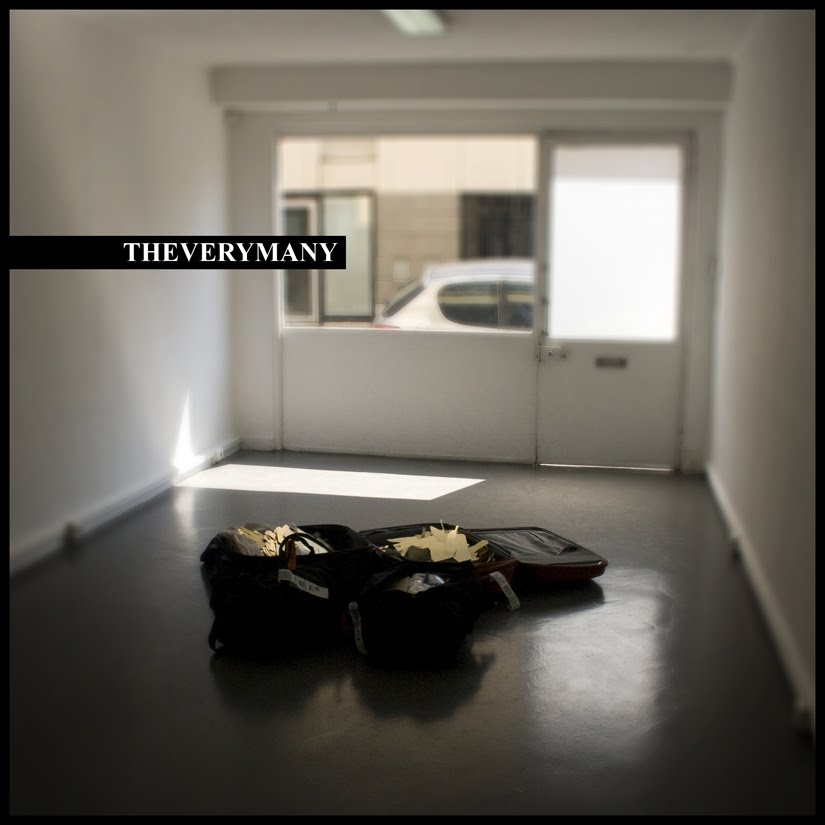
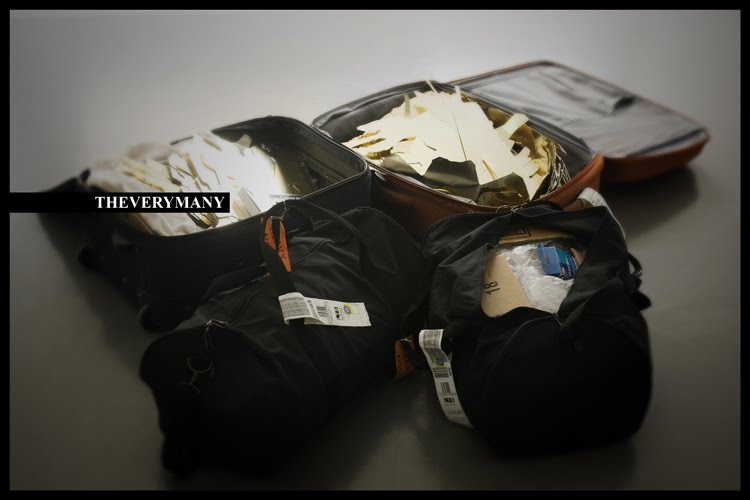
Despite mesuring 13 feet long (after been scaled nearly by half for simple reason of space available within the gallery!) all the panels and assembly details are now flying over nested within one suitcase only...
(pictures of the assembly process should come up soon)


It has been quite some intense moments of scripting since last weekend - mainly sequences of utilities codes - in order to perform a complete automaton starting from the first 4 nurbs curve (those ones were drafted!), the generation of the geometries till the production of each components, notches, unroll, color coding, naming, etc... but there were also a lot of discussion on logic, sequence and protocols to be set up in order to PRE-facilitate as much as we can the entire physical re-fold-assembly of nearly a thousand parts...
Illustrated above (top) the layout of one of the acrylic sheet (number 6) with 66 assembly details - all got named with the number of the piece (as text + name of the object) + each notche with the color of the brick it should connect to and the name of its panel it should locked in...
Illustrated above (bottom) the lay out of one of the 11 types of panels onto a sheets of corrugated plastic - the intersting figure is that the nesting of the panels sheets has been the only hand protocols as a simple traight forward array of the same geometry - this is where it is a hughe gain of time and energy as nesting for so many parts if different would take ages (if even only possible) to find an efficient nested solution...
That starting hypothesis of embeded relative simplicity due to the self-similarity (without even counting the labor time saved to look for the right panels when assembling - imagine a pile of 500 panels to pick from?!!) is RE-questioning the complete mass customization fashion and other kit of parts...
Though the amount of components generated which have to be RE-assembled is also RE-questioning the limit of using generative processes without going further down the line using assembly robots...


Generator.x 2.0: Beyond the Screen
24 Jan -­ 2 Feb 2008, Ballhaus Naunynstrasse / [DAM] Berlin

Credits:
Design: THEVERYMANY (Marc Fornes + Skylar Tibbits)
Scripting: Marc Fornes
Manufacturing protocols: Marc Fornes + Skylar Tibbits
Laser cutting: Skylar Tibbits
CNC & material research: Jared Laucks
Assembling: Skylar Tibbits (+ helpers!)

ANYONE IN BERLIN INTERESTED TO HELP ASSEMBLING IS HIGHLY WELCOME!!
PLEASE COME OVER AT THE [DAM] GALLERY
(starting on the Jan 29th till February 2nd)

Labels: , , , , , , ,

Monday, January 21, 2008

080121_Consulting: polyhedrons frame structure 02


following up on some side escapism while running on more "rational" automaton for an exhibition in berlin (more to come soon)
here the previous code developped for the course of a friend at Knowlton School of Architecture has been applied onto some random polyhedrons.


Labels: , , , , ,

Saturday, January 19, 2008

080118_Consulting: polyhedrons frame structure 01


I recently happen to write few codes for Aurel Von Richtofen who is teaching a course/seminar based on rhinoscript at the Knowlton School Of Architecture (Ohio State University) like: select points within closed polygones, points relaxation/explosion, frame along the edge of polygons, etc...
Whenever I have here or there an hour to kill I often happen to re-read a previous code, clean it and often push it slightly further to render few frames - here are some random fast track results...


PROTOCOL (original version):
- for each closed polygons
- for each faces
- extract edges
- add polylines: array(edge start pt, end pt,face centroide)
- offset the curve (on face - toward the centroide)


Many "quick fix" upgrades are possible:
recursive subdivision according to face aera, membrure thickness according to edge length, etc...

Labels: , , , , ,

Monday, November 26, 2007

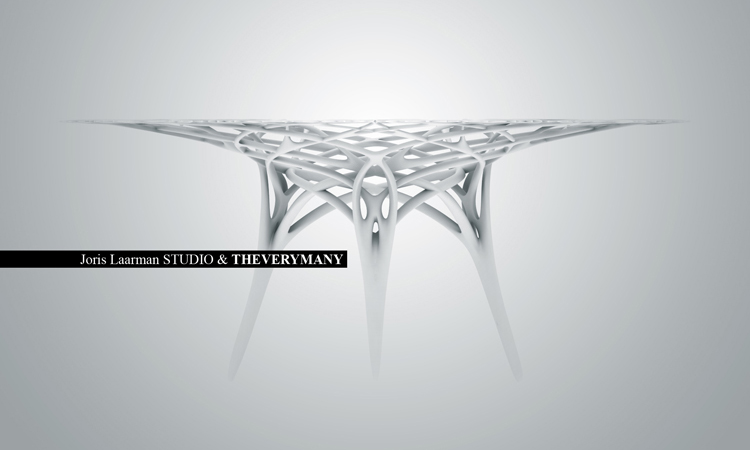
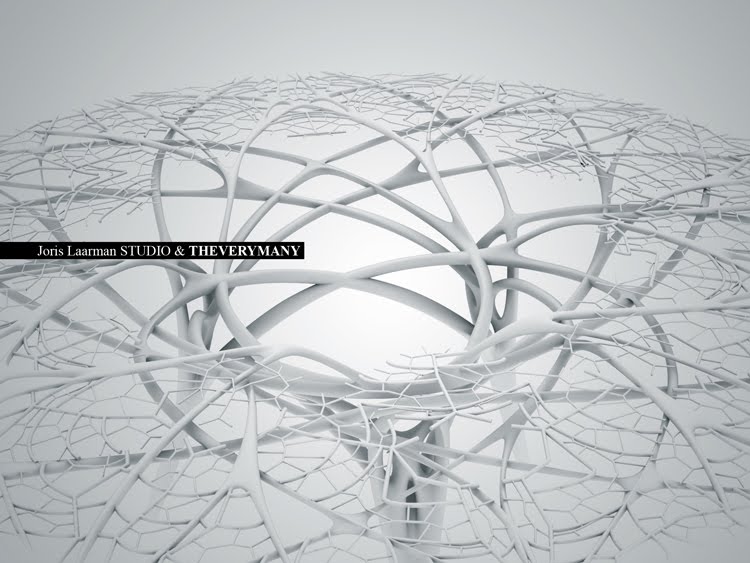
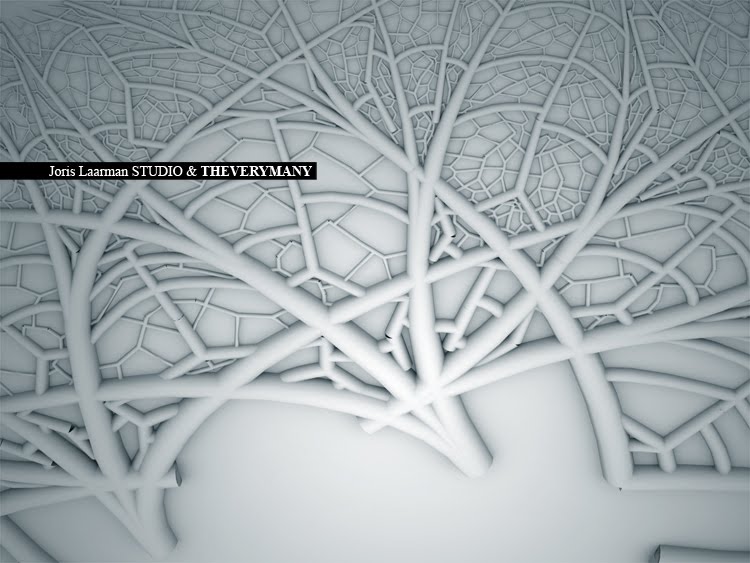
071117_Aperiodic_Series003_Gazebo


PAVILION - Free-standing structure (ie wikipedia)
Pavilion may refer to a free-standing structure sited a short distance from a main residence, whose architecture makes it an object of pleasure. Large or small, there is usually a connection with relaxation and pleasure in its intended use. A pavilion built to take advantage of a view is referred to as a gazebo.


POWERS OF TEN (ie wikipedia)
Powers of Ten is a 1977 short documentary film written and directed by Charles Eames and his wife, Ray. The film depicts the relative scale of the Universe in factors of ten (see also logarithmic scale and order of magnitude). The film is a modern adaptation of the 1957 book Cosmic View by Kees Boeke---and more recently is the basis of a new book version. Both adaptations, film and book, follow the the form of the Boeke original, adding color and photography to the black and white drawings employed by Boeke in his seminal work (Boeke's original concept and visual treatment is all too often uncredited or insufficiently credited in contemporary accounts).

The film begins with an aerial image of a man reclining on a blanket; the view is that of one metre across. The viewpoint, accompanied by expository voiceover by Philip Morrison, then slowly zooms out to a view ten metres across ( or 101 m in standard form), revealing that the man is picnicking in a park with a female companion. The zoom-out continues, to a view of 100 metres (10² m), then 1 kilometre (10³ m), and so on, increasing the perspective—the picnic is revealed to be taking place near Soldier Field on Chicago's lakefront—and continuing to zoom out to a field of view of 1024 metres, or the size of the observable universe. The camera then zooms back in to the picnic, and then to views of negative powers of ten—10-1 m (10 centimetres), and so forth, until we are viewing a carbon nucleus inside the man's hand at a range of 10-18 metre.


AA PAVILION "the powers of ten"
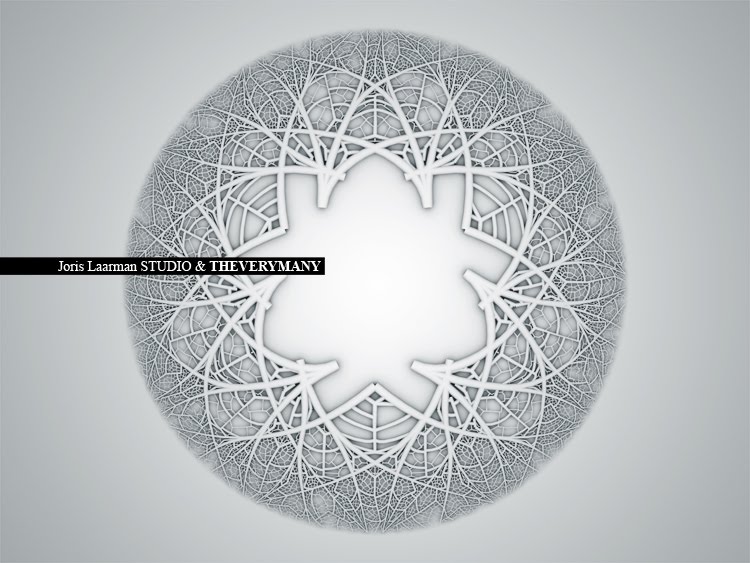
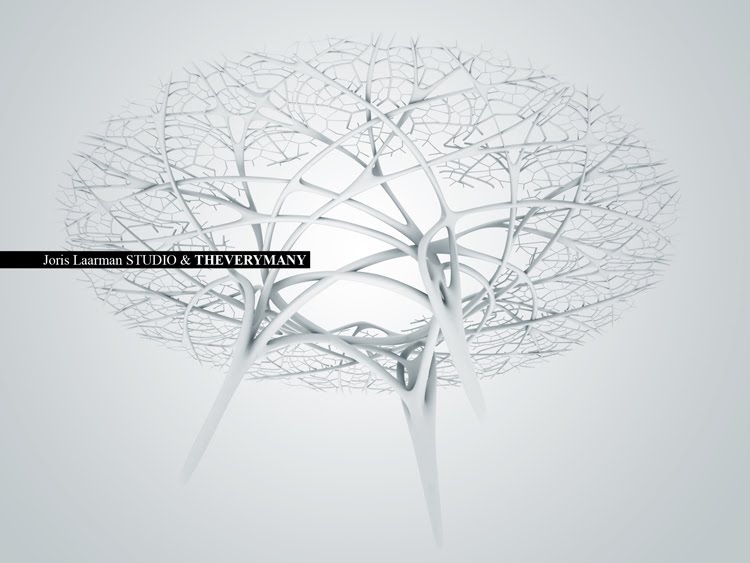
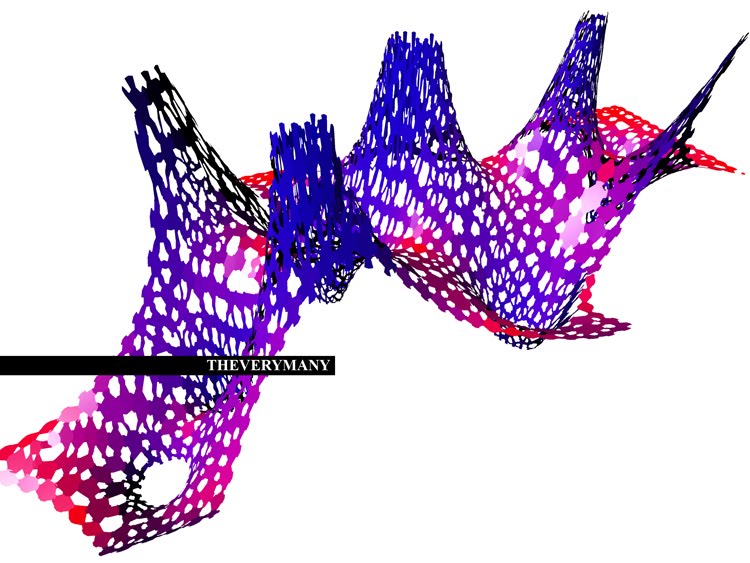
The different renders of that post are extracted from theverymany proposal for the AA Ten pavilion competition. The proposal was looking at "self-similarity" as the driving force behind the structure of its pavilion somehow allowing similarities within the possible "fractal" variation of the scale of its components -embeded within the logic of its aperiodic packing- and the emergent filiation between the 10 generations of AADRL graduates: all are different and all somehow within a certain depth are very similar...

Theverymany is now developping further its proposal -currently pushing with its aperiodic series- and is looking for sponsors and eventual venues to construct it - anyone interested?...
Labels: , , , , ,

Sunday, December 11, 2005

Zha_PAU_MIDR ("Mediatheque de Pau")


Research for onto a self-supported shell structure in composit material looking at pre-preg carbon fibre / epoxy / nomex sandwich panels; the concept of high performances in architecture push somehow ot an extreme...
Results for the tender middle March; to be followed...

Log_01: in a surprising but perfectly staged press conference, the mayor unfortunatly stopped that project at 4 days of the tender results! motif, technically not faisable! though, despite the press articles, 4 compagnies replied! challenged somehow partly realised! the mayor died the day of the results! no one left to complained about...
not the first time and probably not the last time! life as an architect goes on...

two years of hell'n dreams for Marc Fornes, Alvin Huang and Vincent Nowak...

Labels: , , , ,