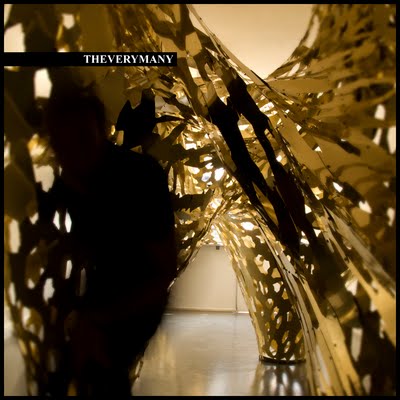
Saturday, April 19, 2008

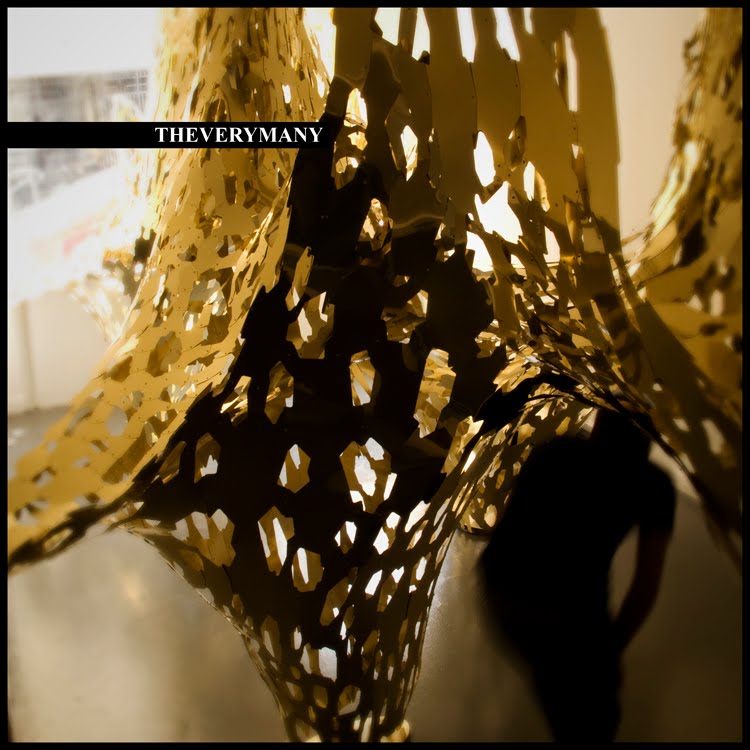
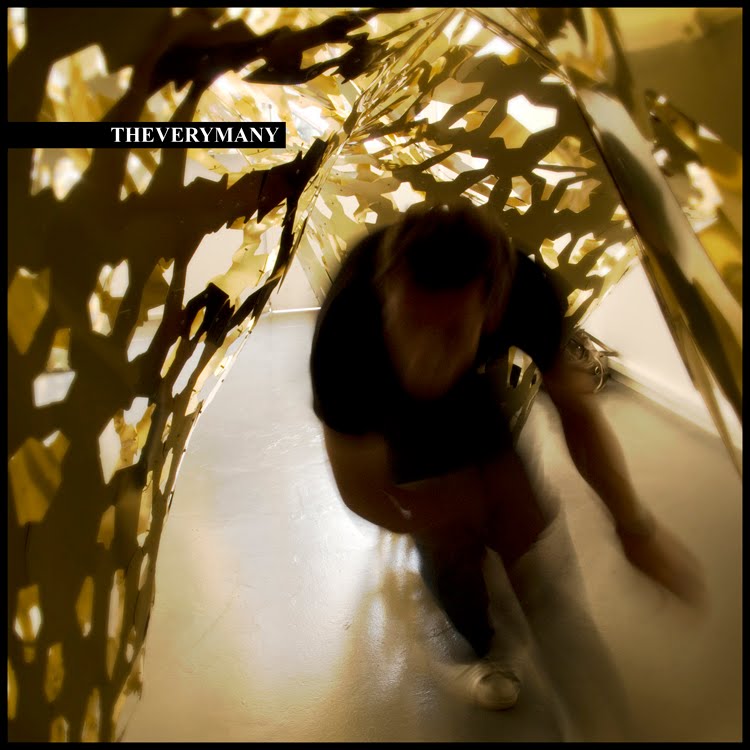
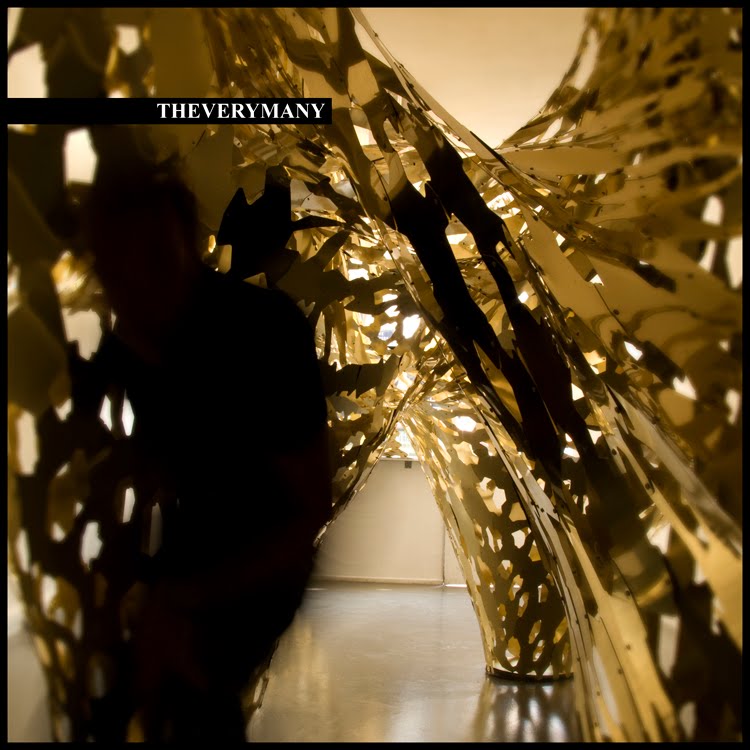
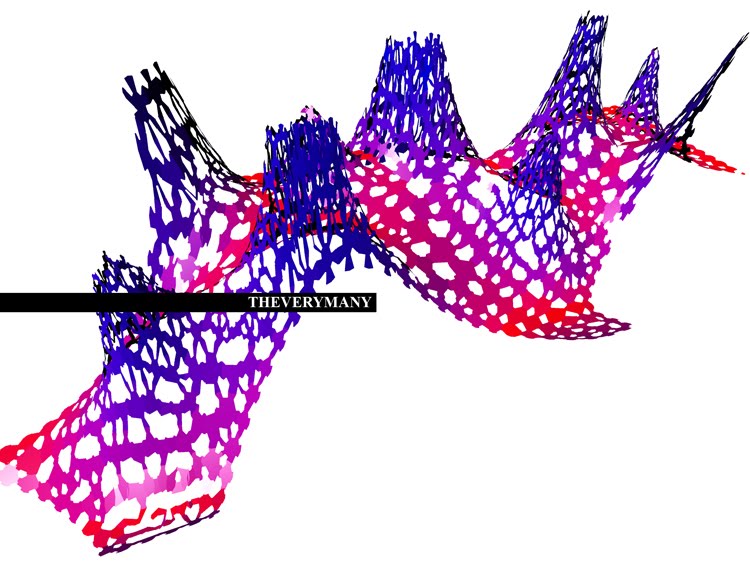
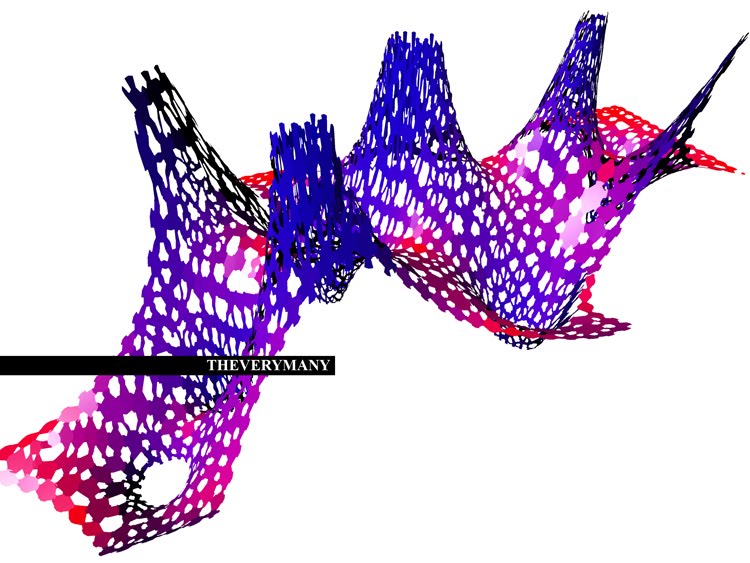
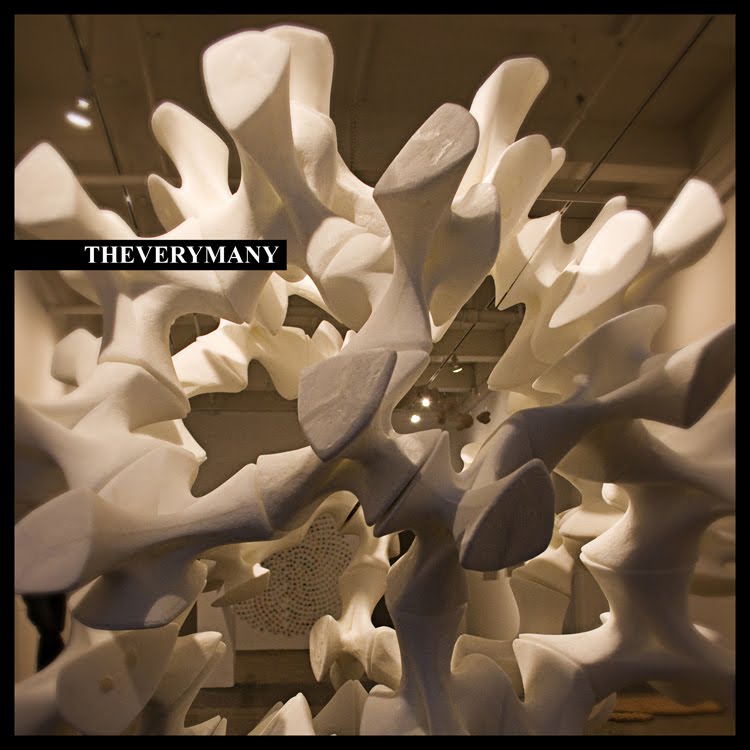
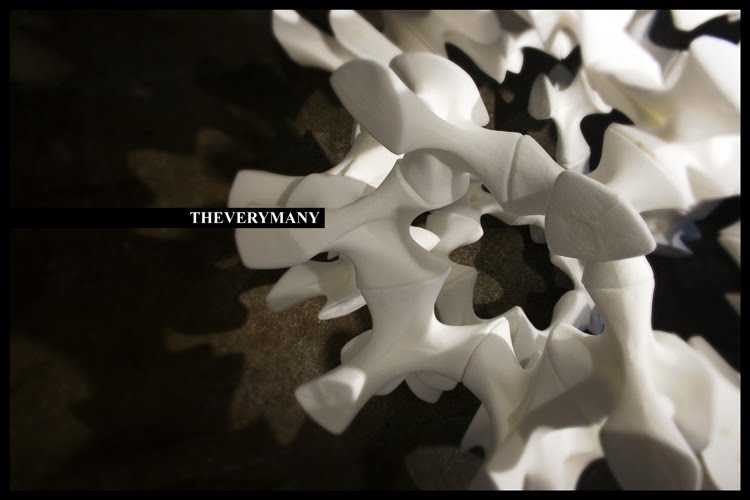
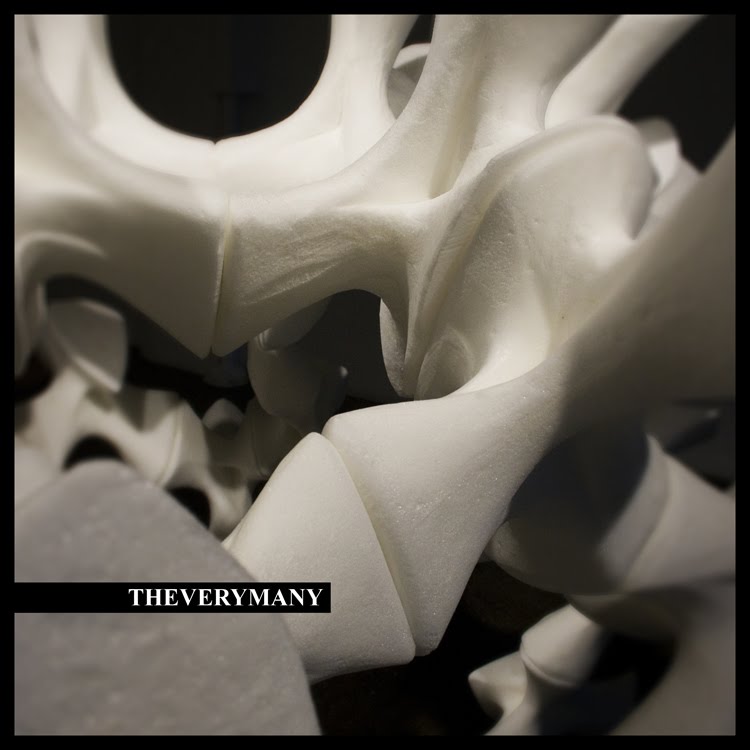
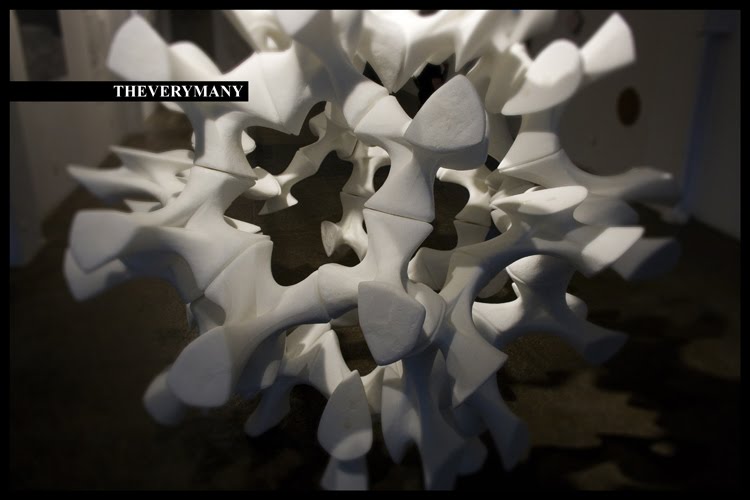
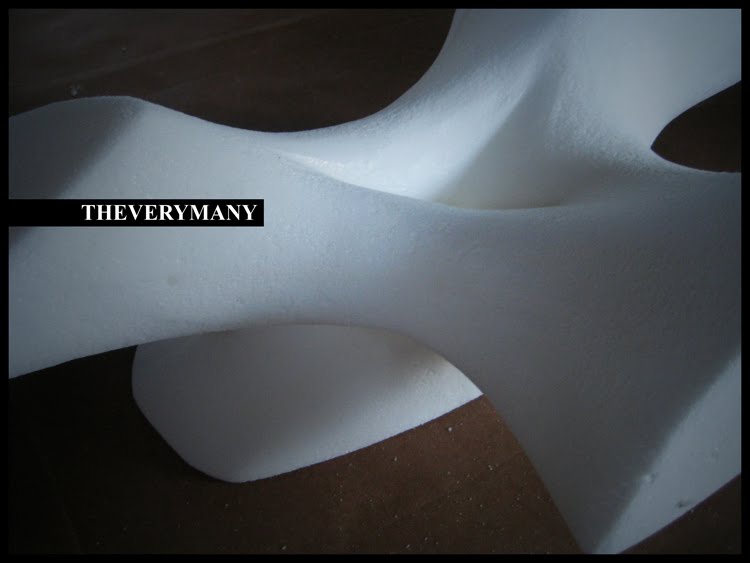
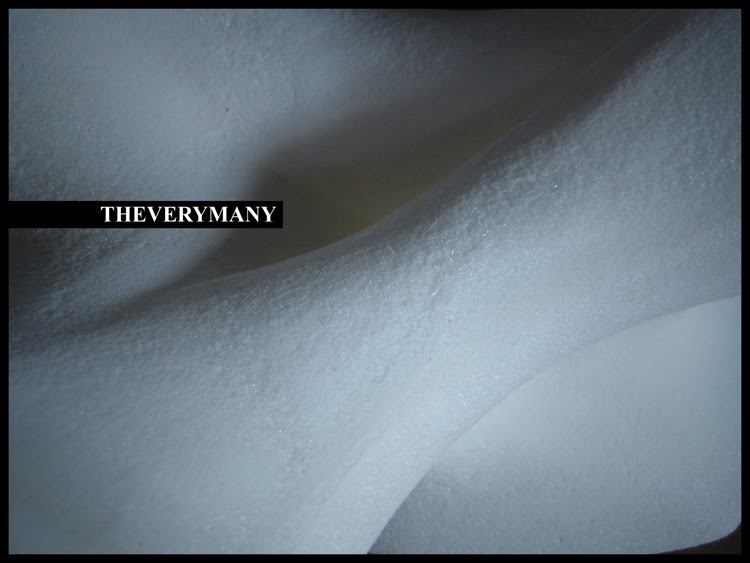
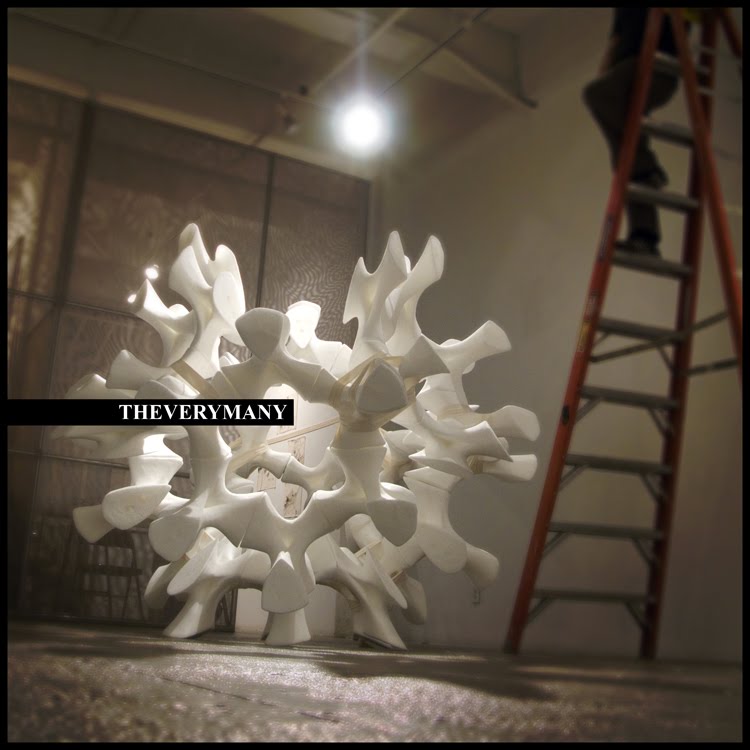
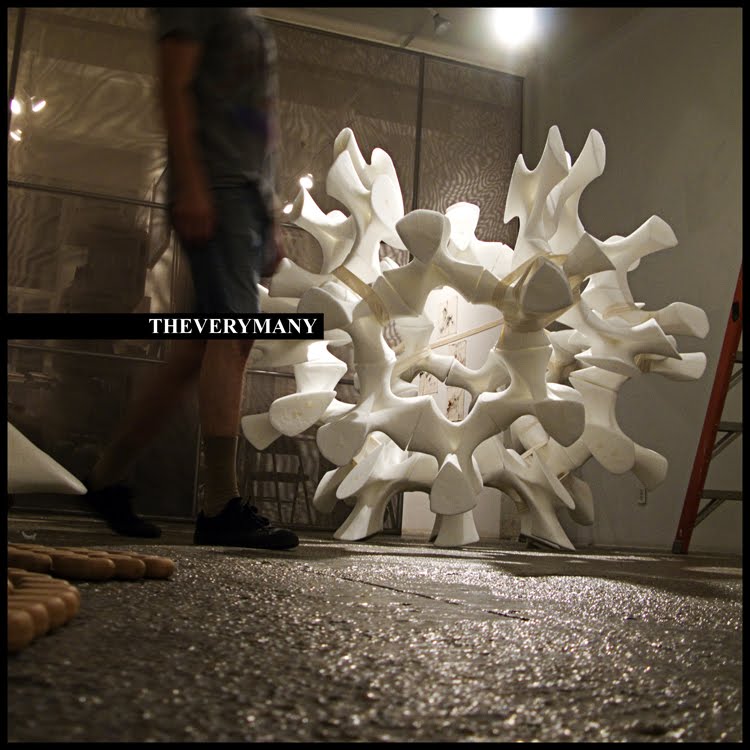
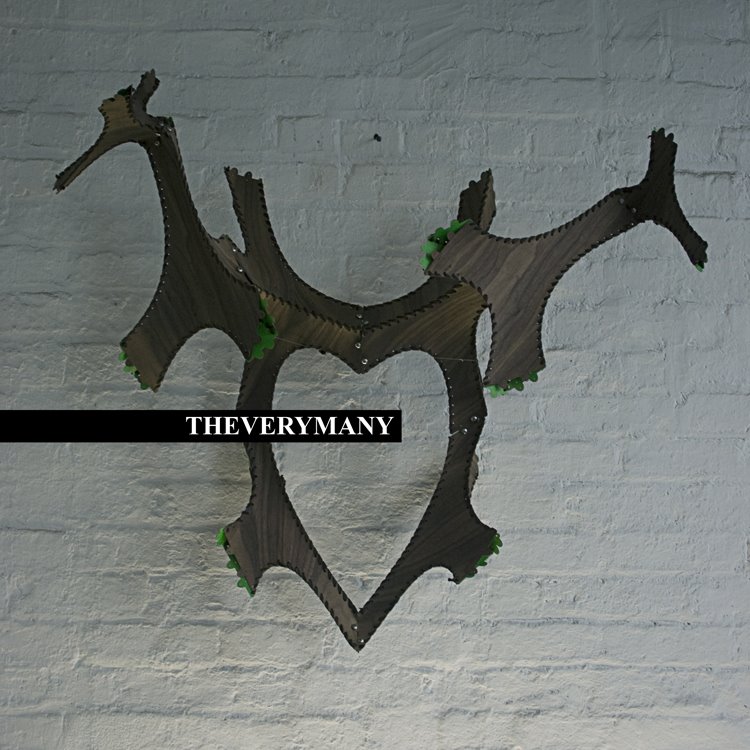
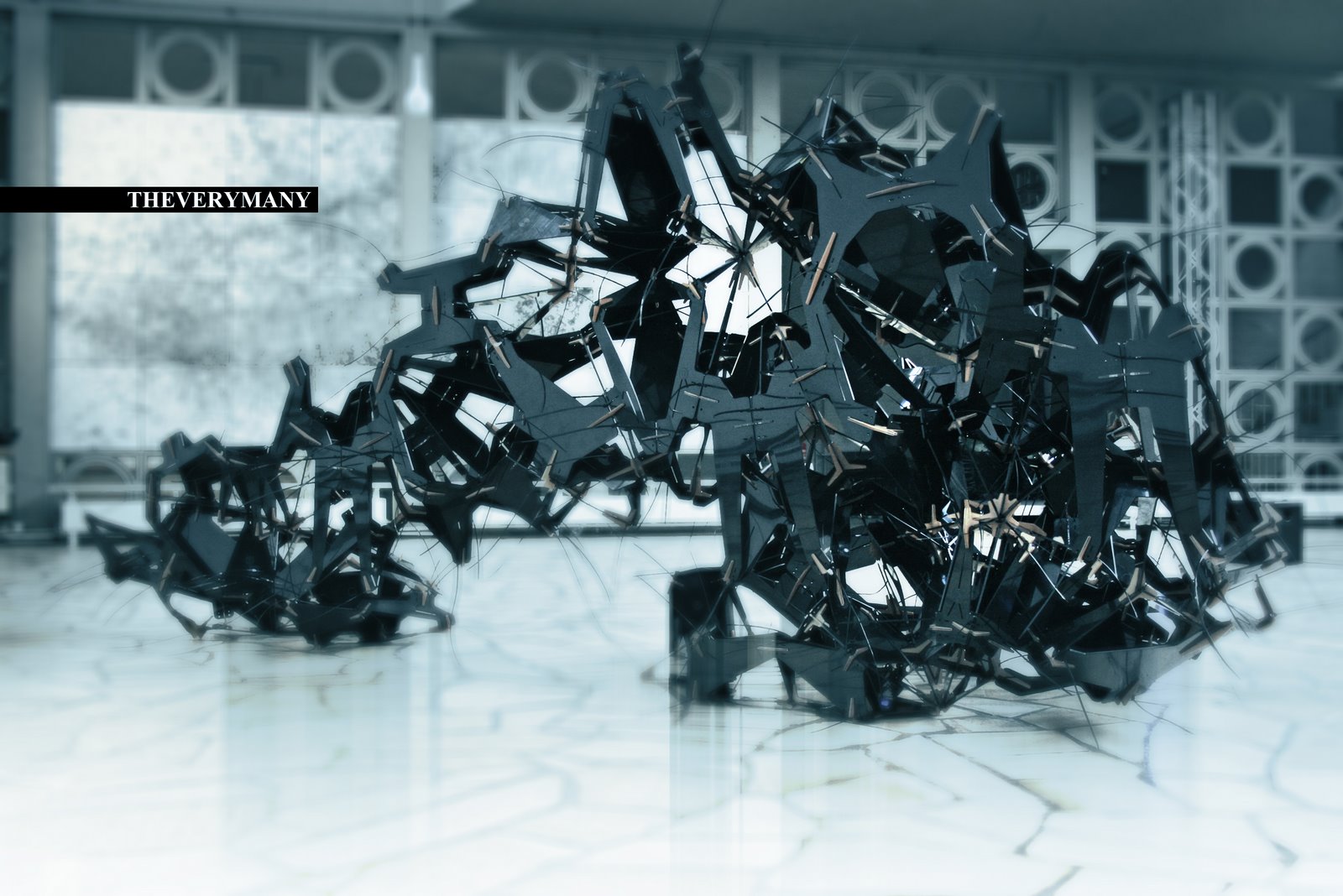
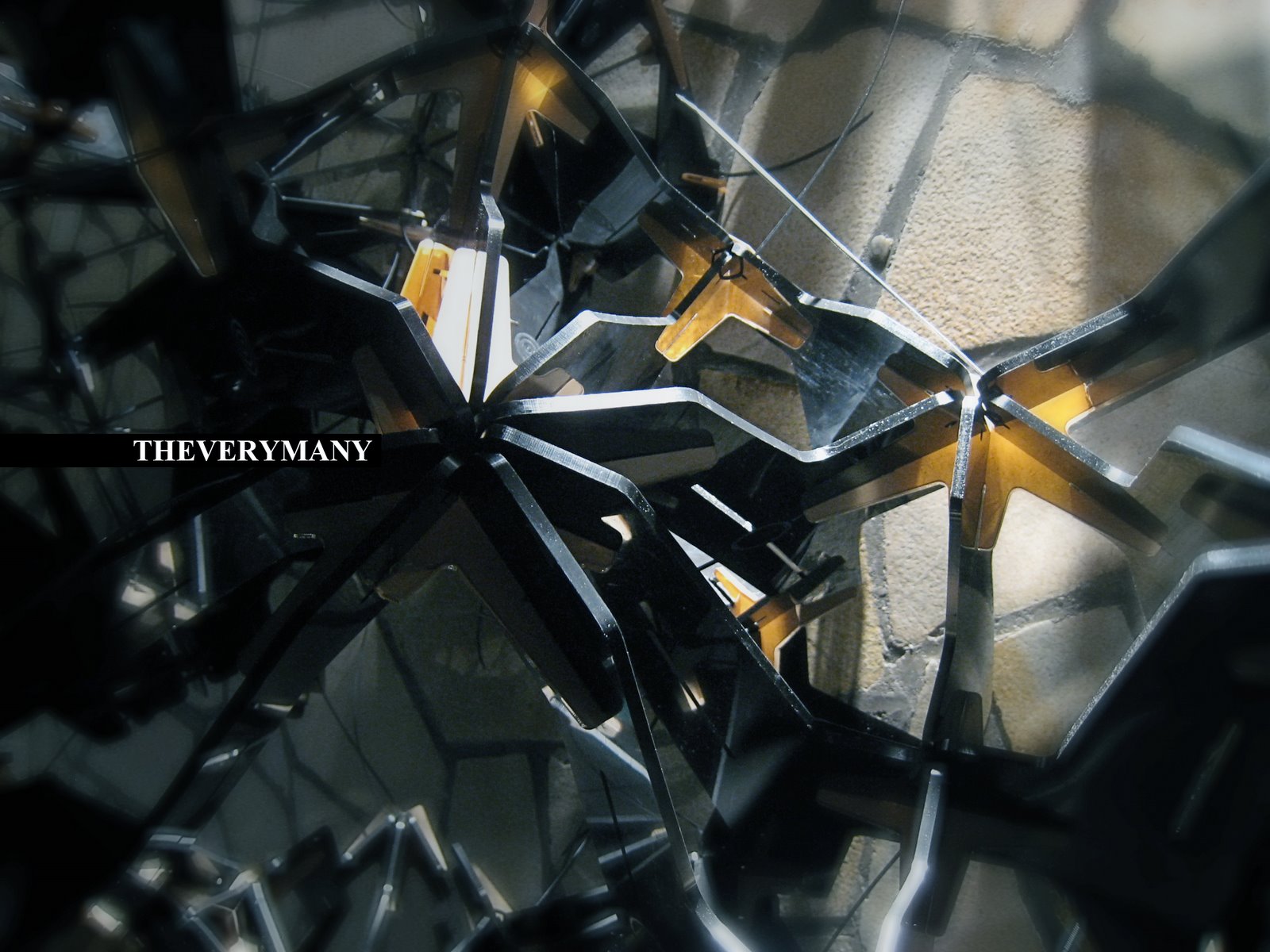
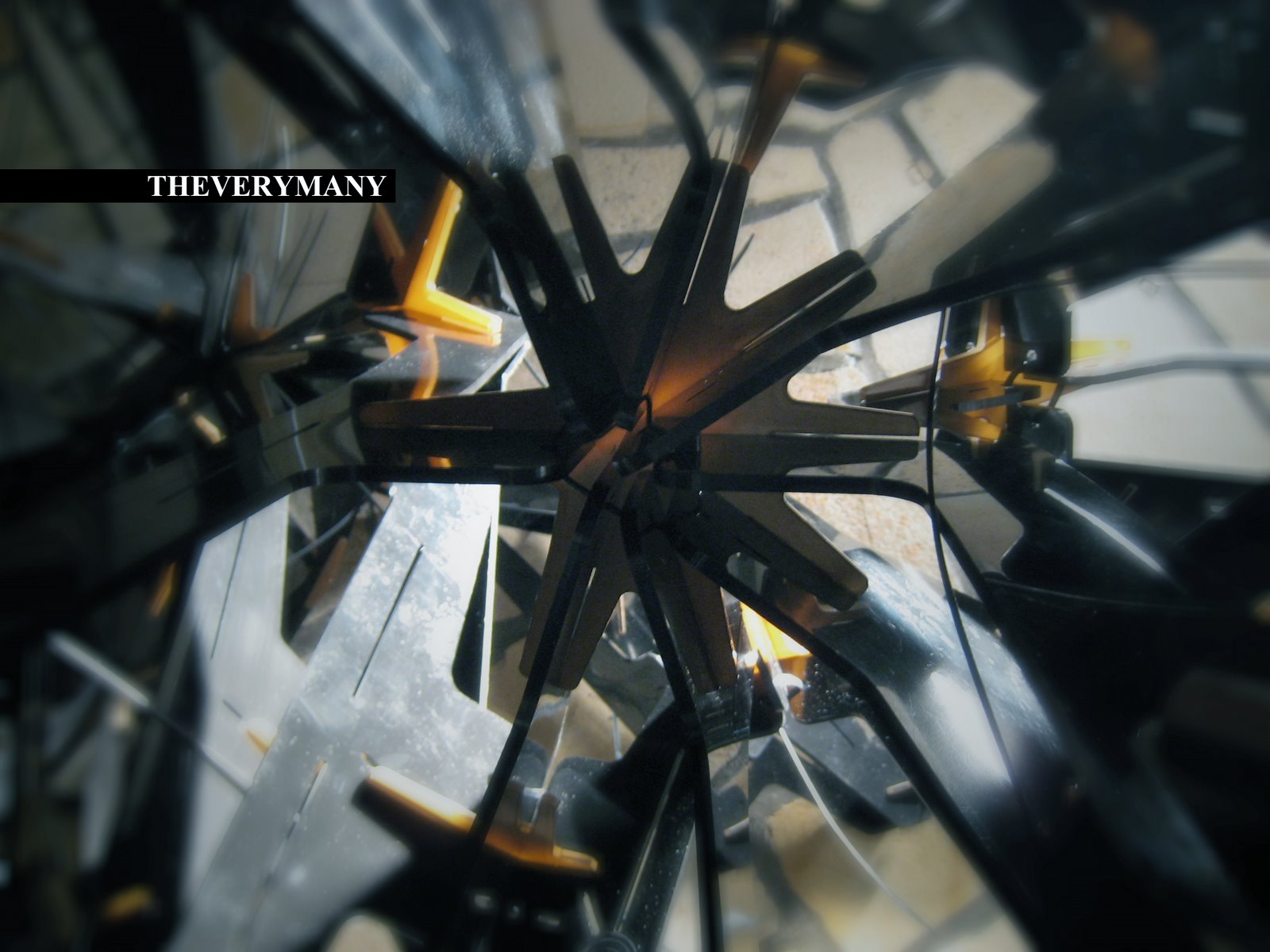
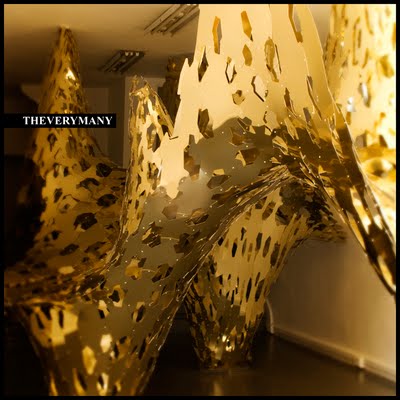
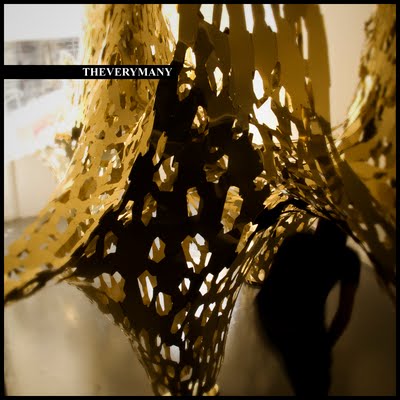
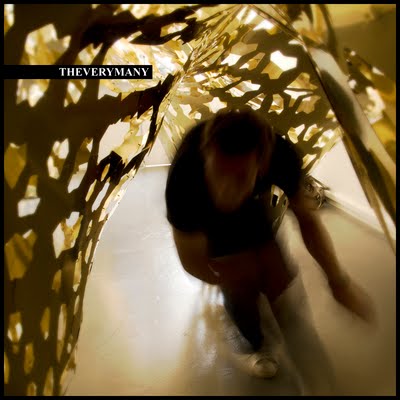
080406_APERIODIC VERTEBRAE v2.0.2


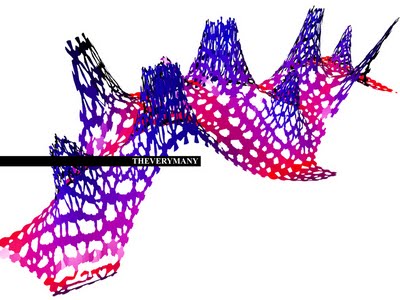
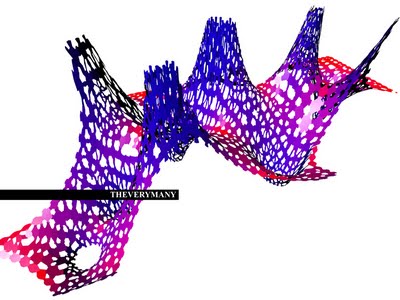
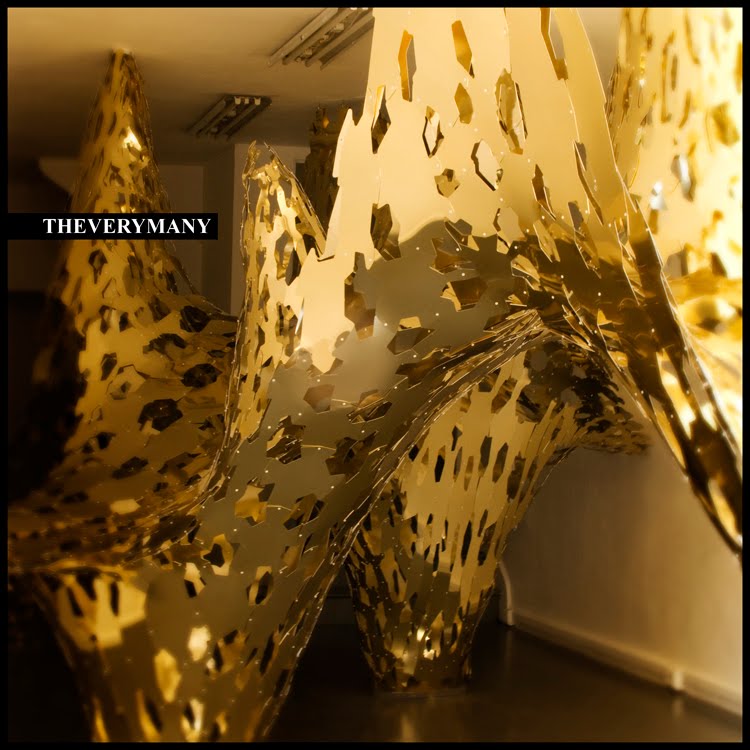
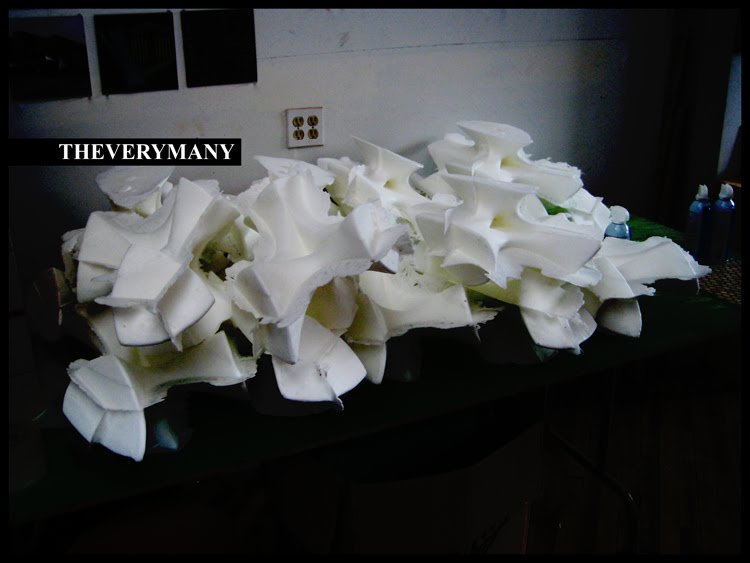
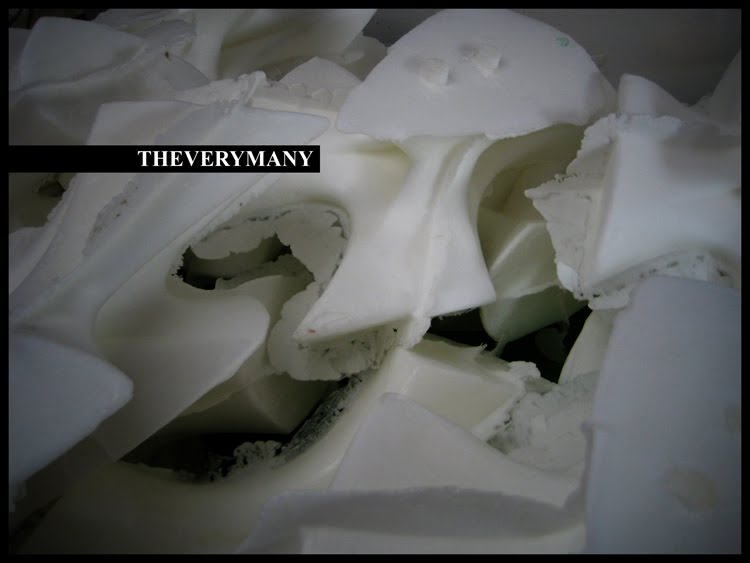
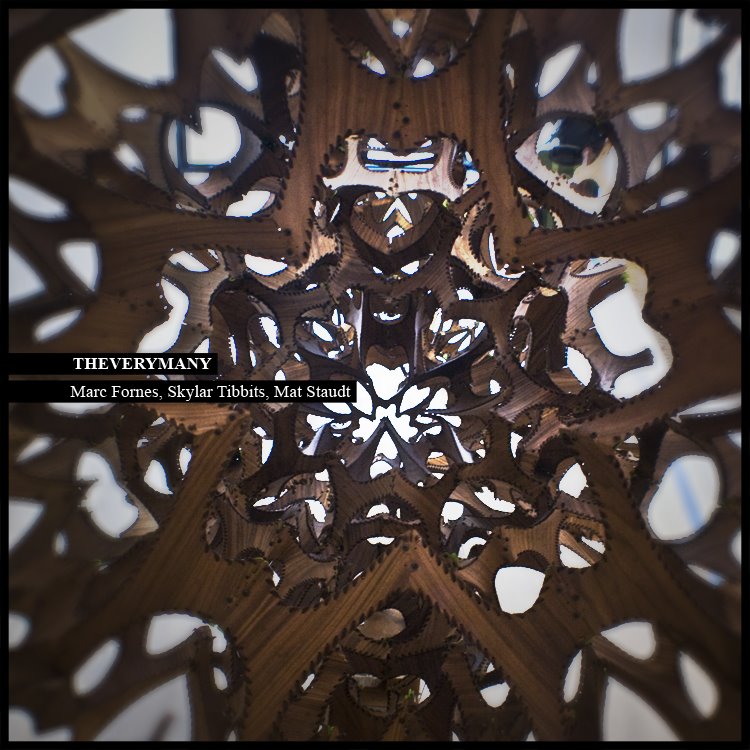
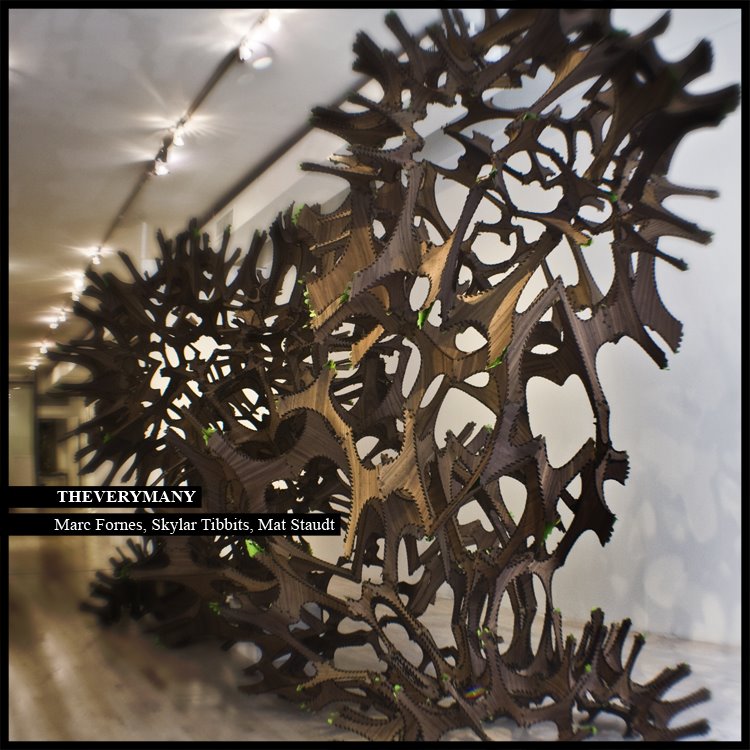
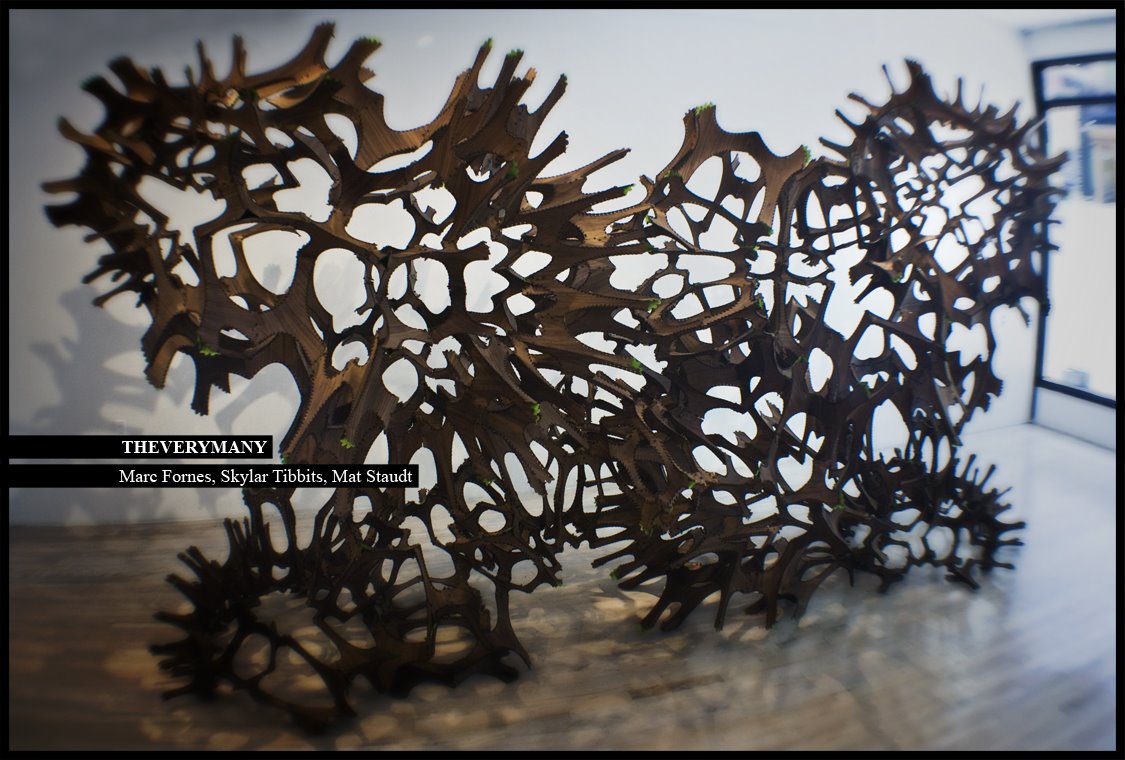
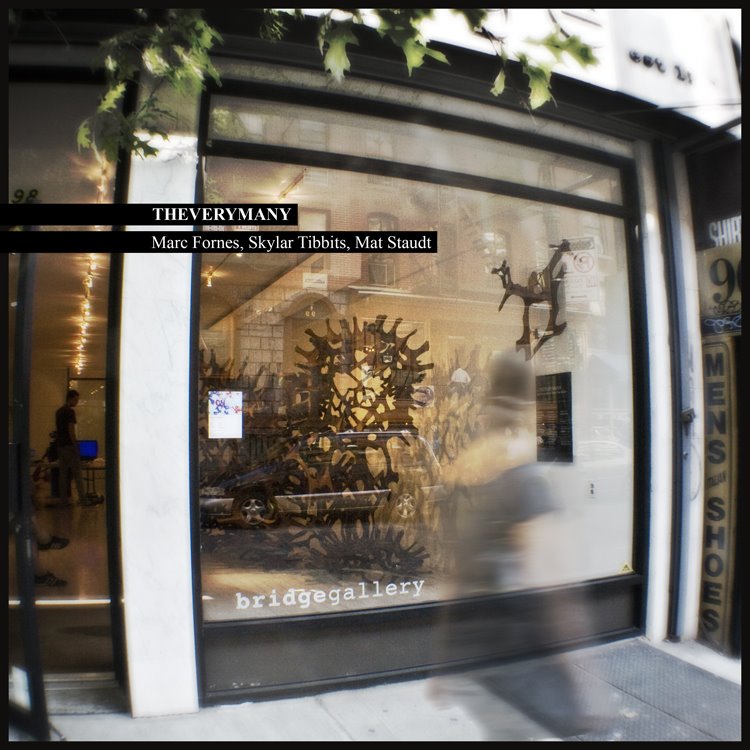
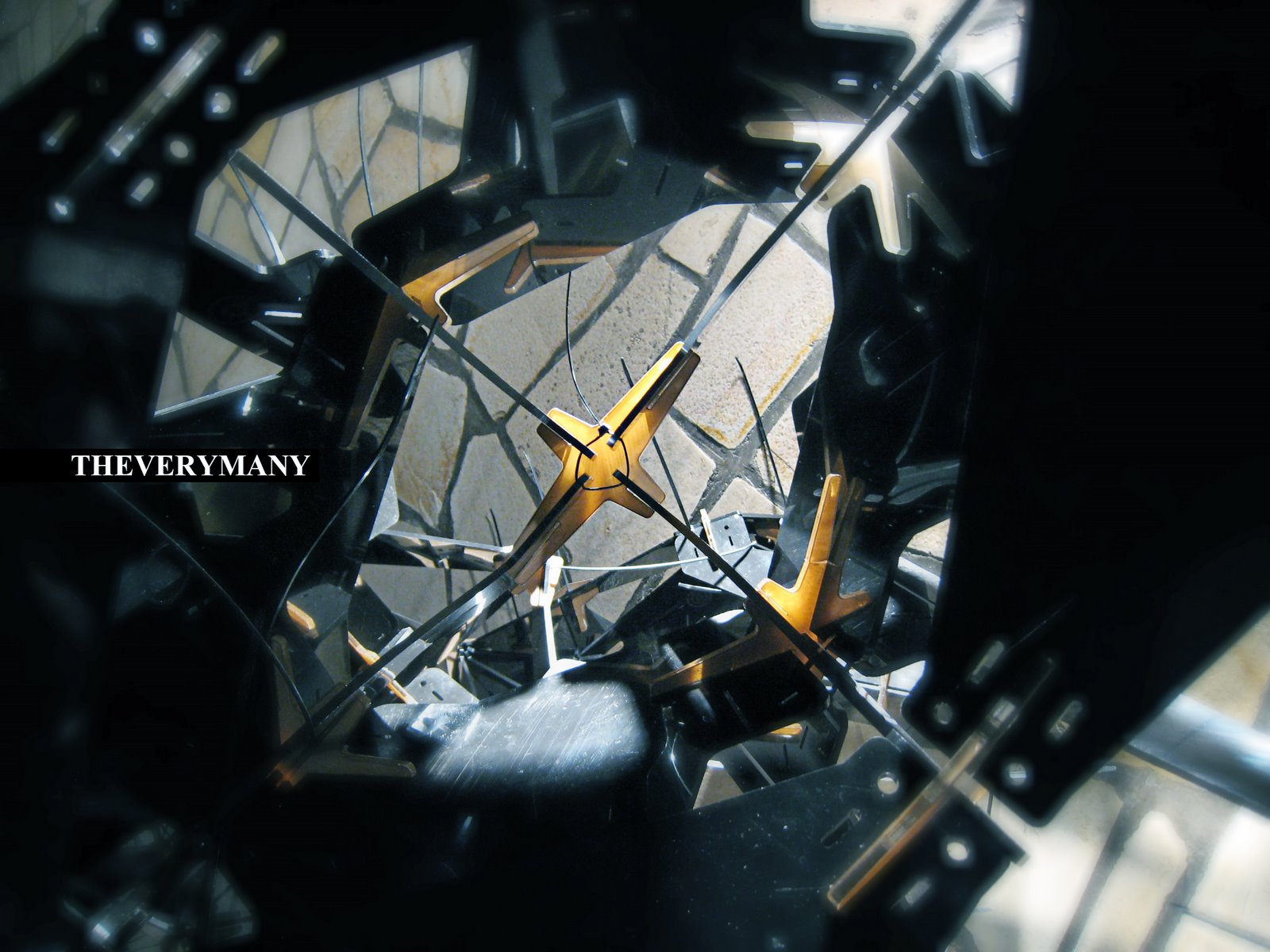
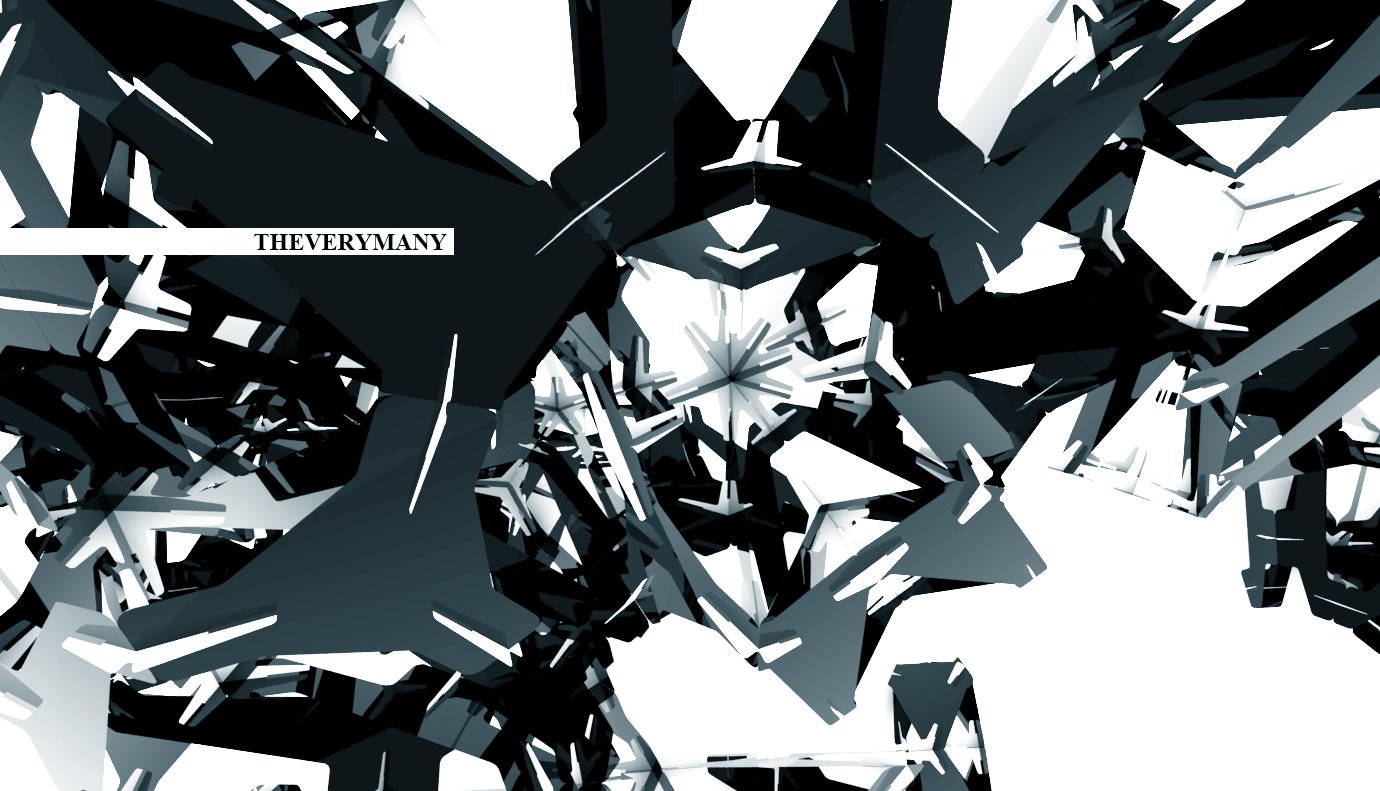
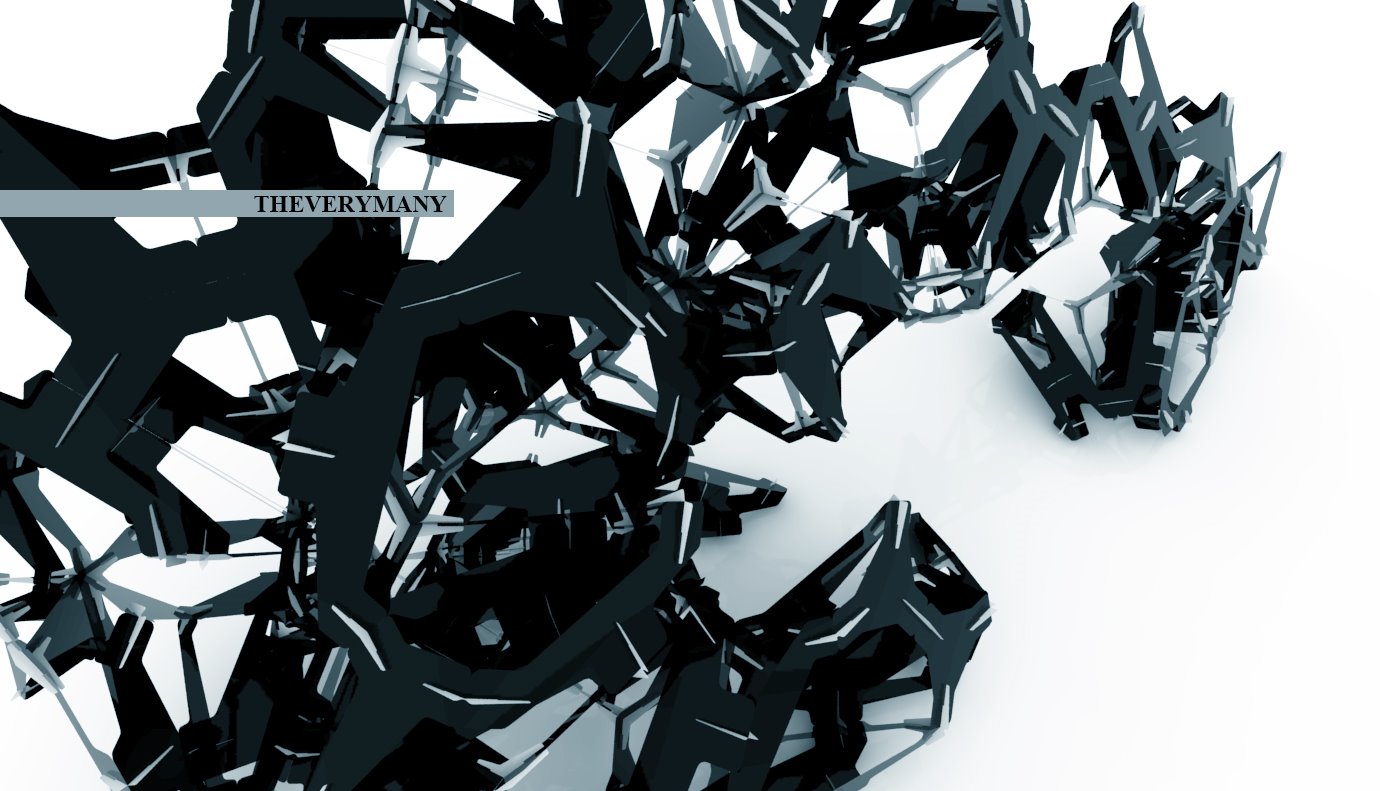
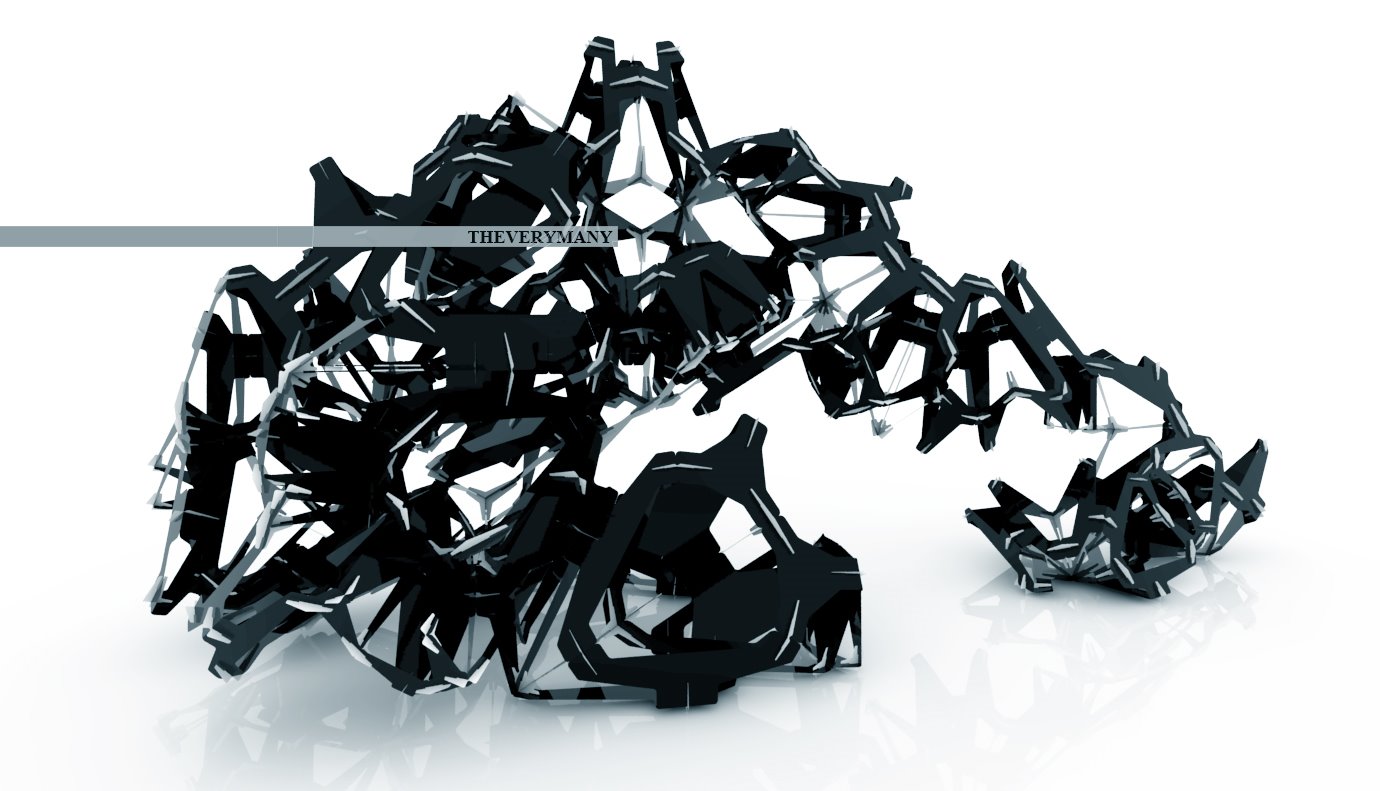
Finally back from several events and wanderings all over the place (Paris, New York, Frankfurt, Strasbourg, Barcelona,...) - here is a first update on the prototype THEVERYMANY produced for Node08 / Frankfurt.

Its assembly has this time been a success (and hughe improvement since v1.0) as it took less than 24 hours & 2 people & 2 laptops to (re-)assemble the 360 panels and 320 nodes...

Once more demonstrating us "one better spend its time within development embedding assembly logic rather than waiting the material world to solve the fuzzines..."

(I will update the "information modeling" improvements on the previous post more focused on the digital back bone approach of the piece...)


"Aperiodic Vertebrae v2.0"
THEVERYMANY (project team: Marc Fornes / Skylar Tibbits)
NODE08 (www.node08.vvvv.org)
April 5th - 12th, Frankfurt / Germany

Many thanks to Eno Henze (http://www.enohenze.de/) & the entire VVVV team (http://vvvv.org) for their invitation & sponsorship

Also many more thanks to our sponsors for the piece:

- Quadrant EPP USA, Inc. (www.quadrantepp.com) > provided us sheets of polyethylene (3/16″ thick)

- Continental Signs (www.continentalsigns.net) and Jared Laucks > CNC cut of the panels

- Dick Dunlop > laser cut of the 320 unique connections (3/16″ acryclic)

Labels: , , , , , , , , ,

Sunday, April 06, 2008

080406_APERIODIC VERTEBRAE v2.0


"Aperiodic Vertebrae v2.0"
THEVERYMANY
(project team: Marc Fornes / Skylar Tibbits)
NODE08 (www.node08.vvvv.org)
April 5th - 12th, Frankfurt / Germany

Many thanks to Eno Henze (http://www.enohenze.de/) & the entire VVVV team (http://vvvv.org/) for their invitation & sponsorship


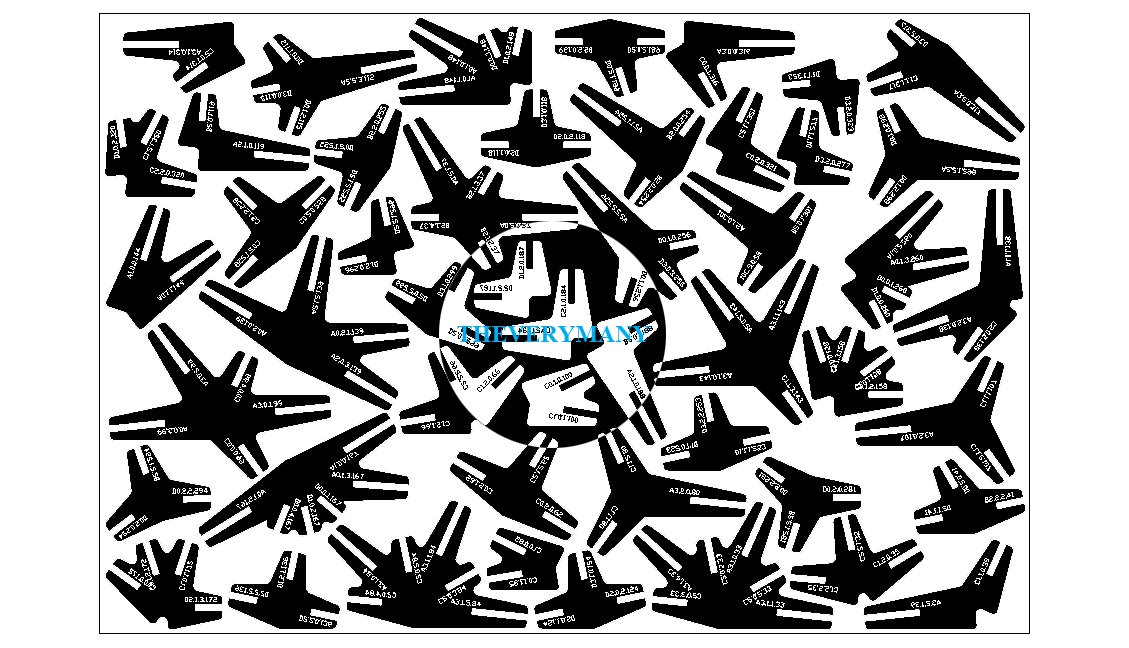
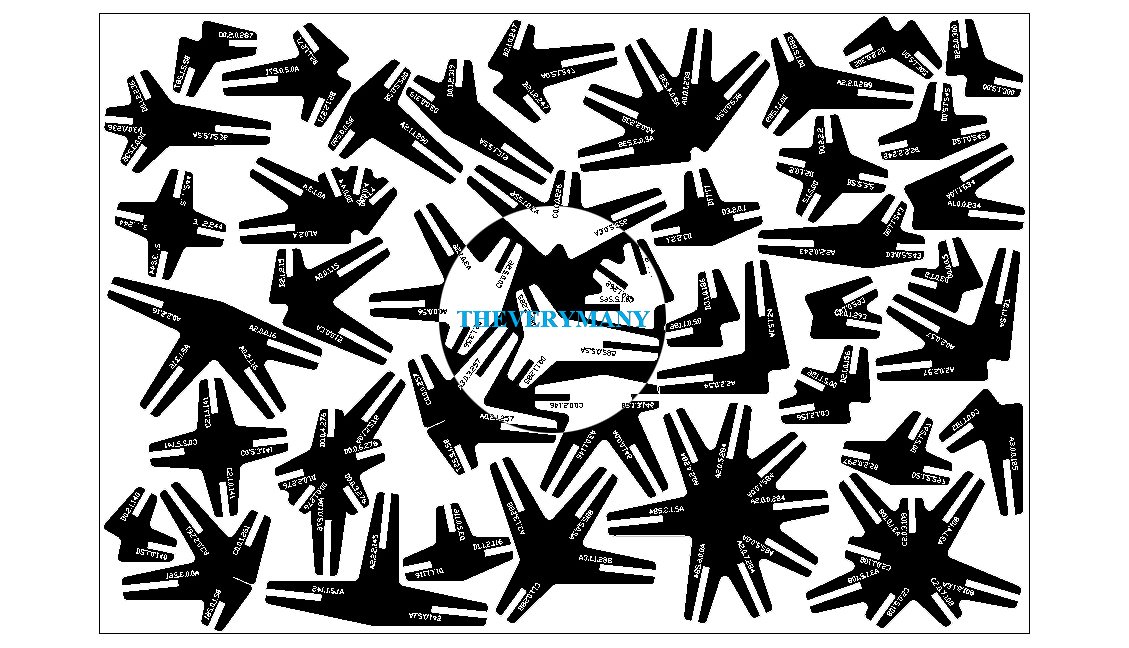
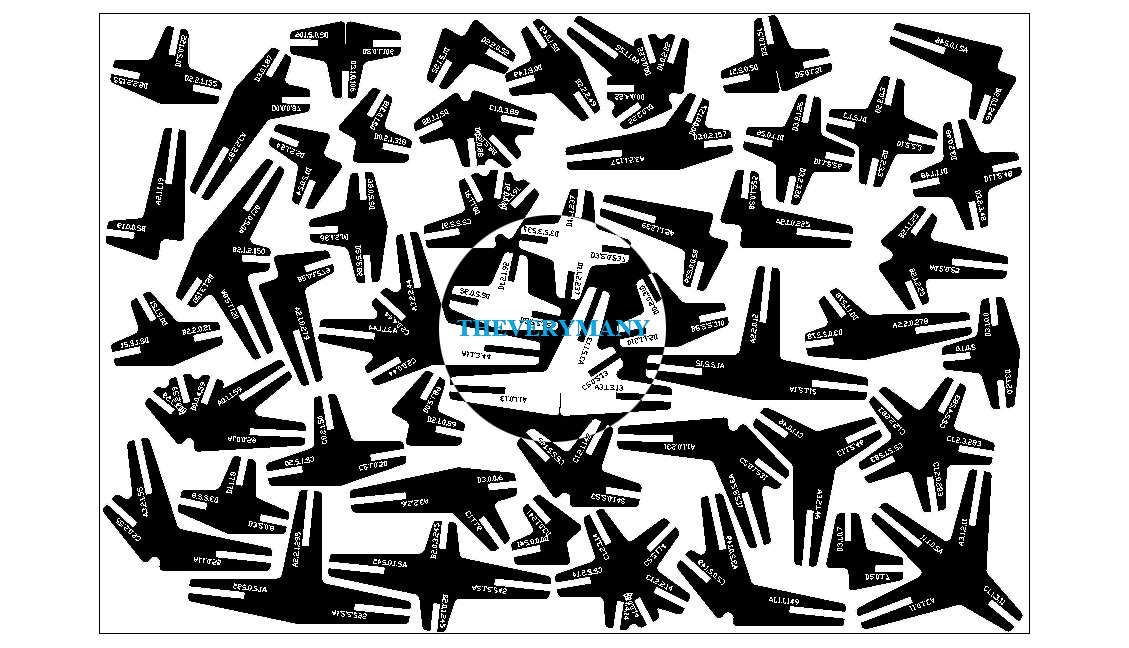
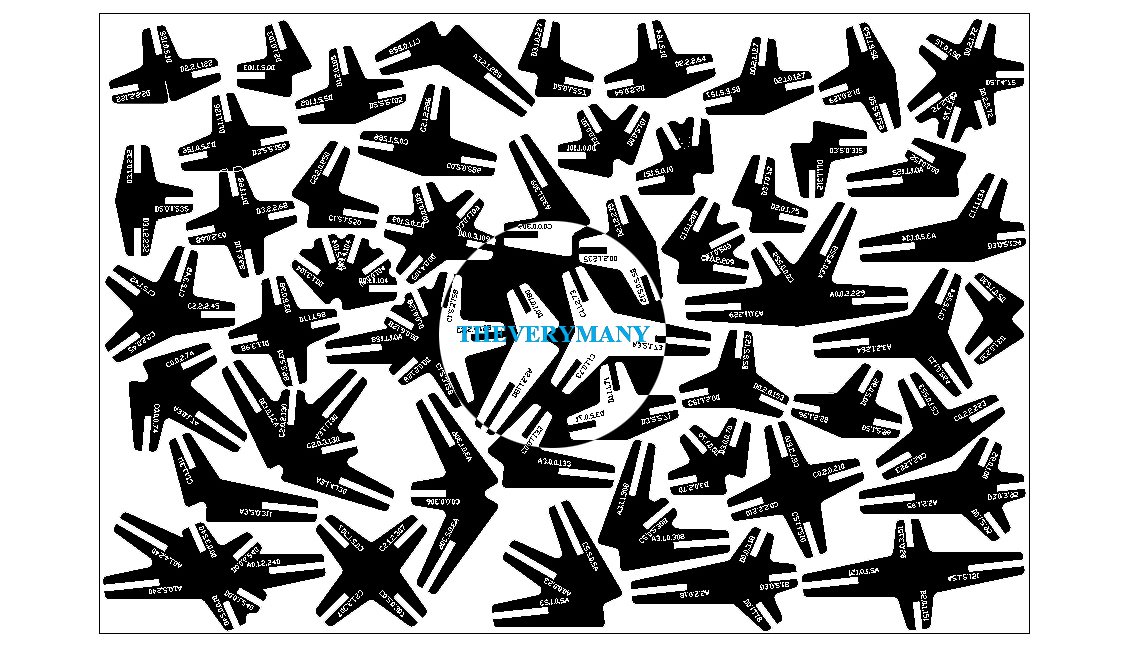
TEMPLATES FOR FABRICATION:
Like the form finding, all the panels, connections pieces and "helpers" coded strings engraved have all been 100% the result of a performative explicit protocol entirely coded in vb...
That part - even though presented down the row as a formal exercice / sculpture - has always been though from scratch as performative test / prototypical methodologie/process to convince further consulting work...


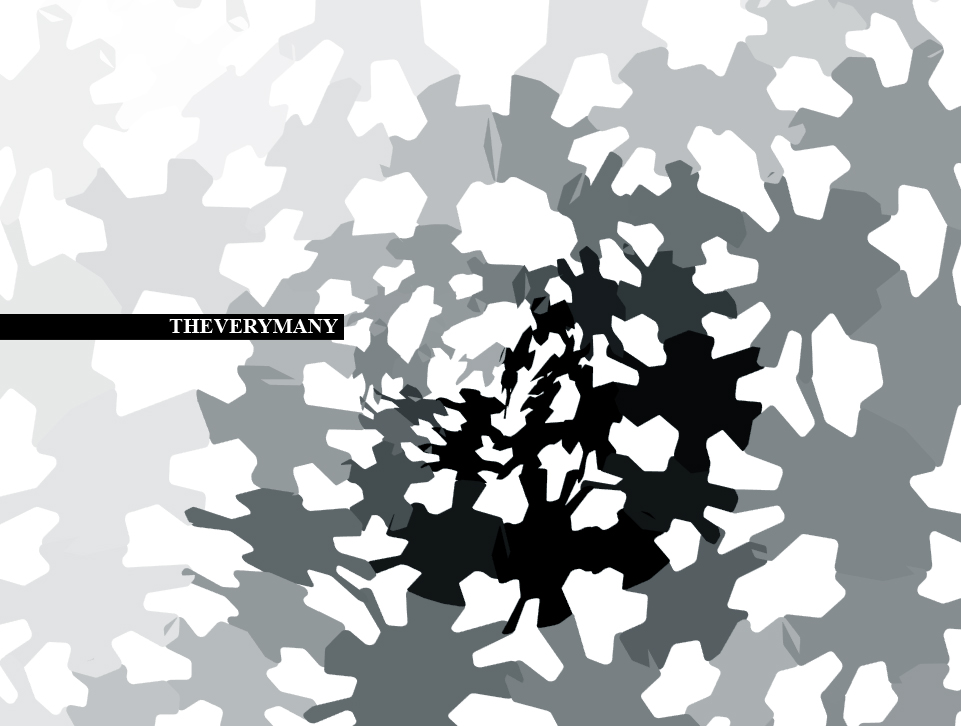
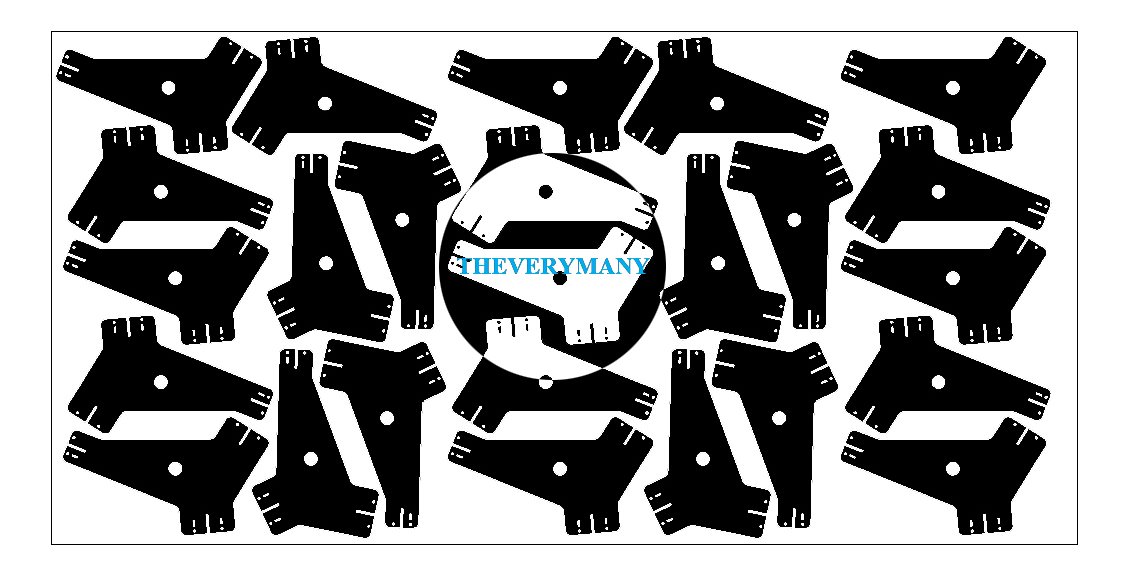
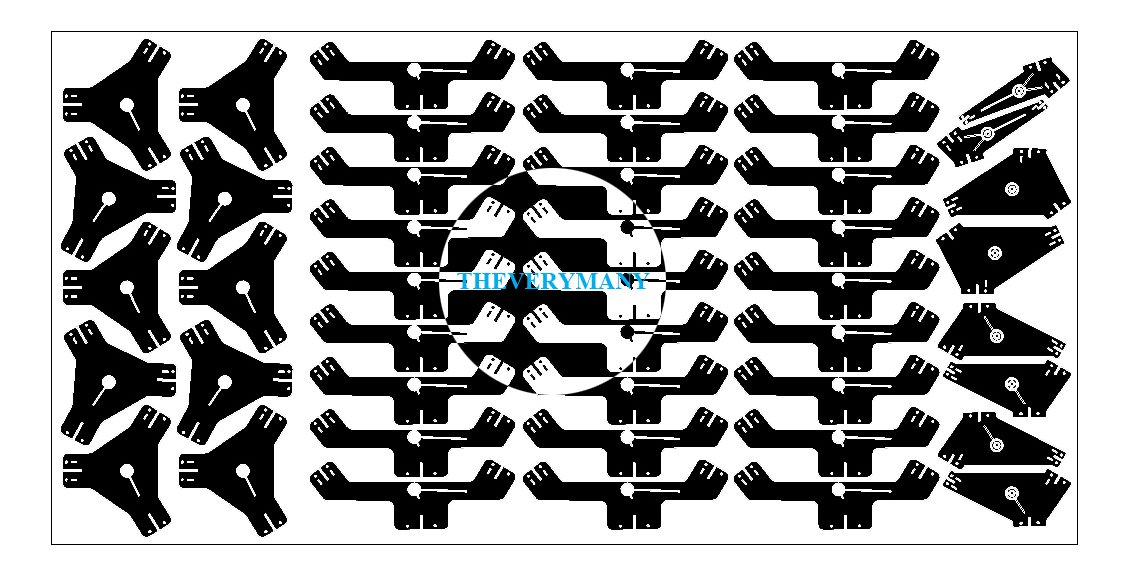
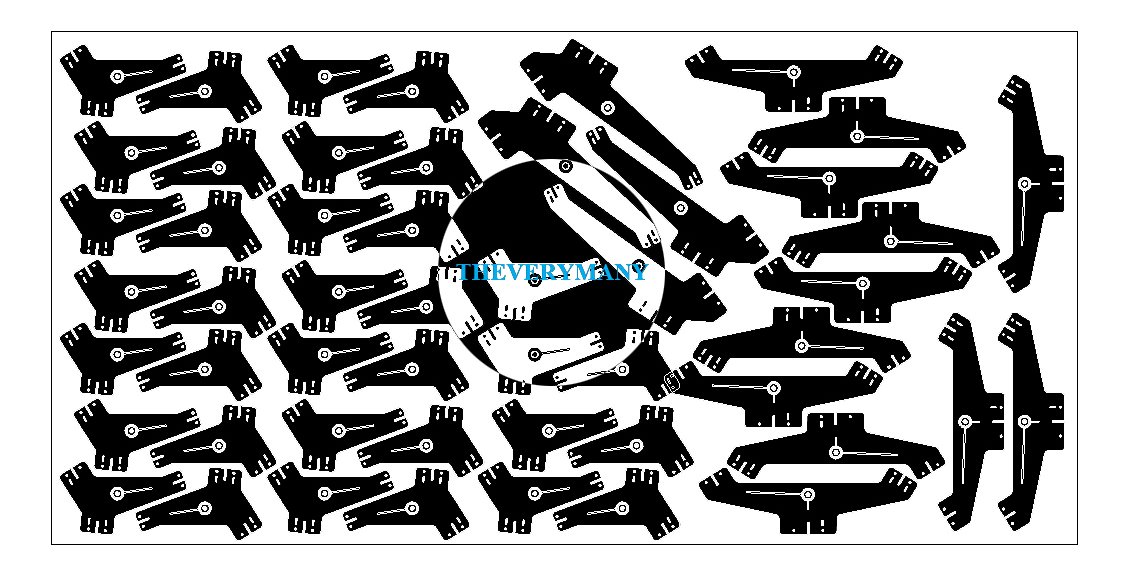
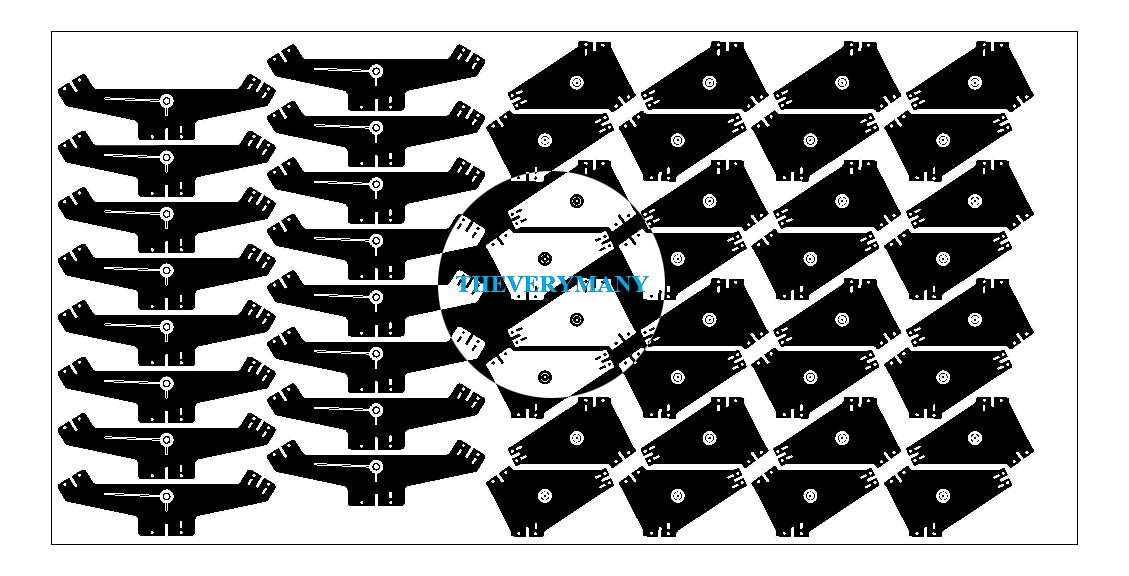
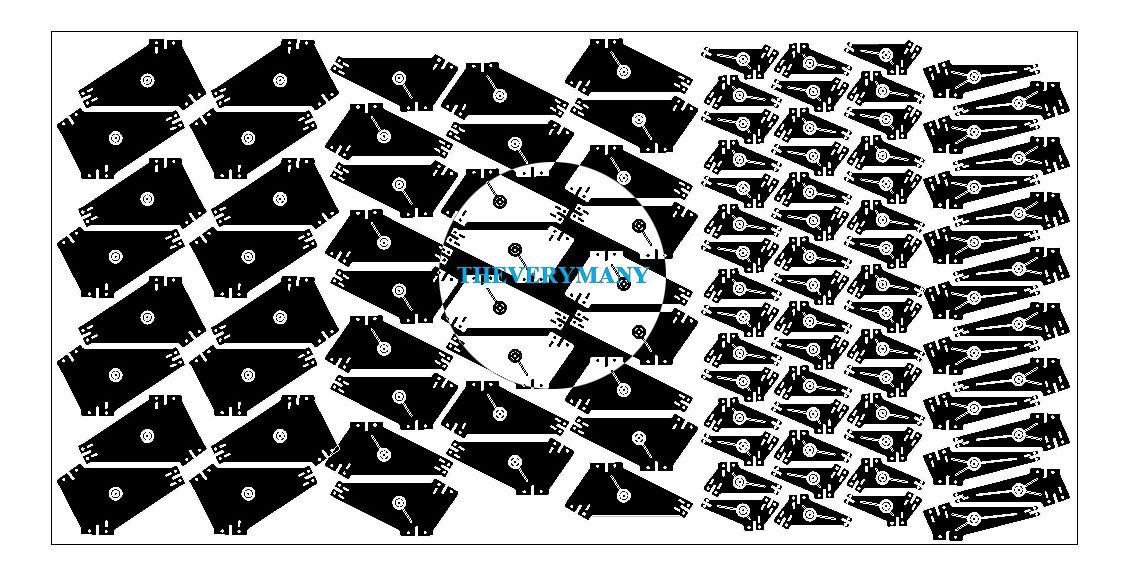
Here are the templates for CNC milling of the panels; 12 unique shapes only are much easier to nest (simple arrays) than all custom pieces...
Many thanks to Quadrant EPP USA, Inc. (http://www.quadrantepp.com/) for providing the 7 sheets of polyethylene required (3/16″ thick)
Many thanks to Continental Signs (http://www.continentalsigns.net/) and Jared Laucks for the CNC cut of those panels


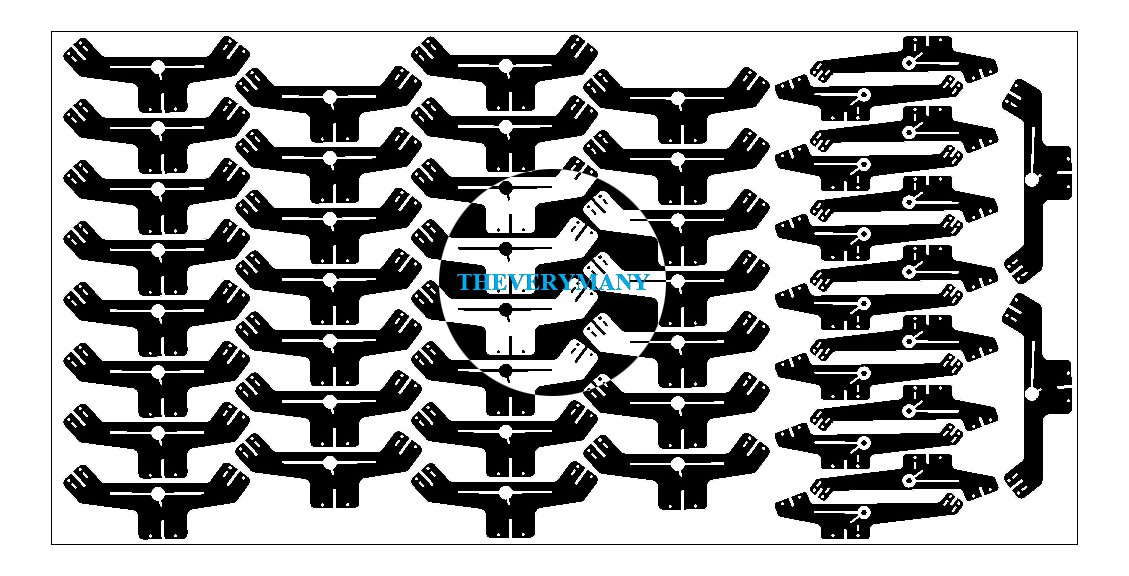
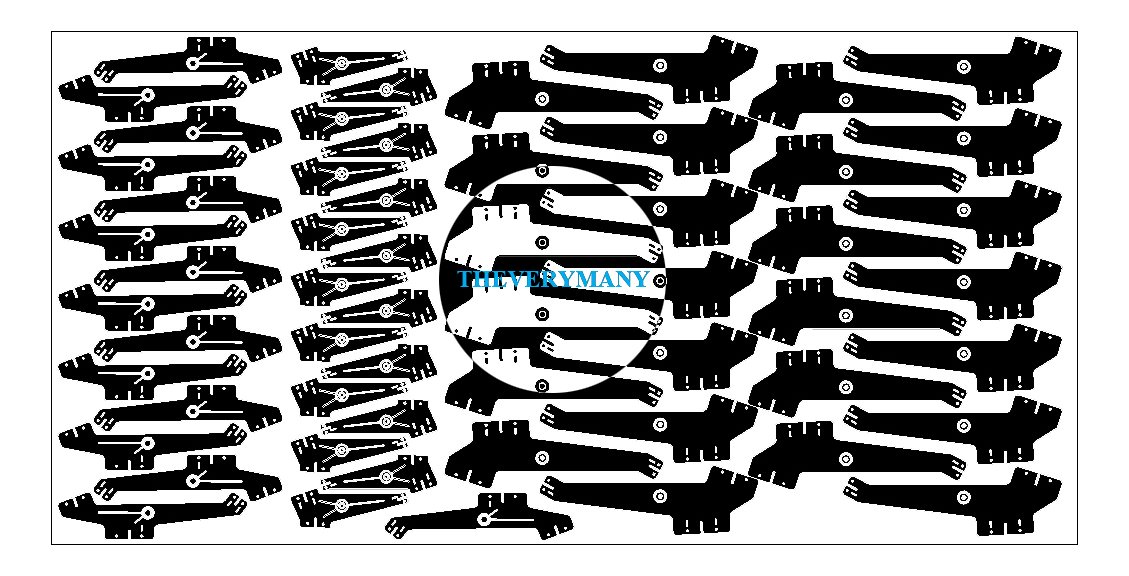
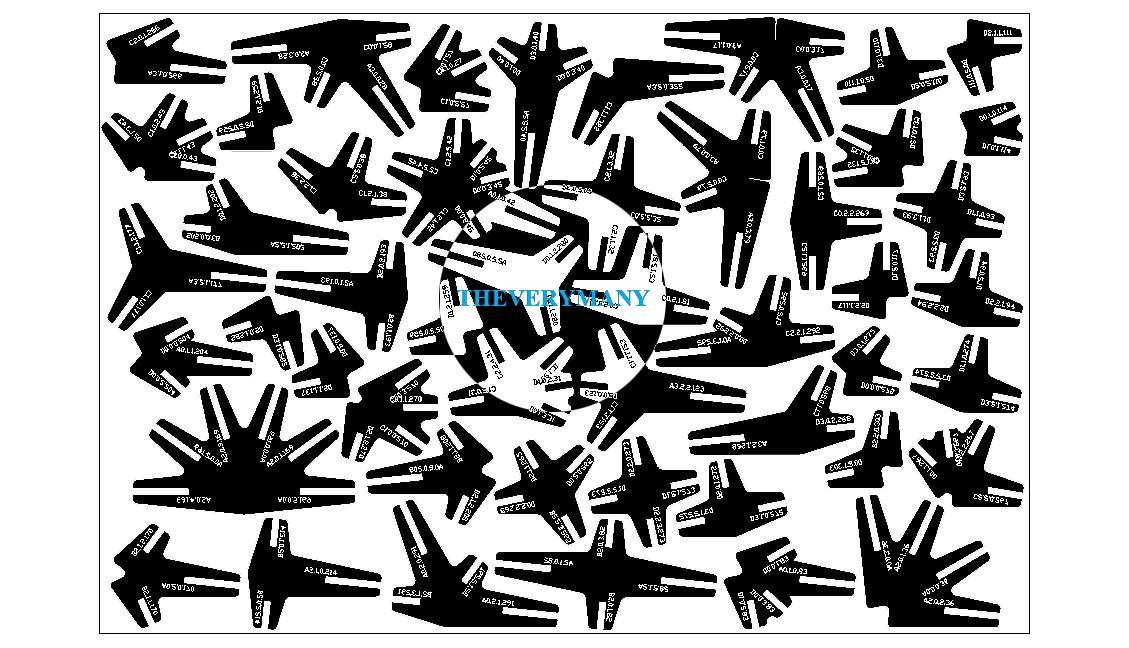
Here are 5 (out of 7) templates for the connections to be laser cut on acrylic sheets (3/16″ thick) - total of 320 unique pieces
Many thanks to Dick Dunlop for the access to the laser cutter (3/16″ acryclic)

Labels: , , , , , , , , , , ,

Saturday, March 08, 2008

080308_RecursiveGrowth_Series03


RECURSIVE SERIES (update 080308)

SIDE_TRACK ON RECURSION: "Droste effect" (wikipedia.org)
The Droste effect is a Dutch term for a specific kind of recursive picture[1], one that in heraldry is termed mise en abyme. An image exhibiting the Droste effect depicts a smaller version of itself in a place where a similar picture would realistically be expected to appear. This smaller version then depicts an even smaller version of itself in the same place, and so on. Only in theory could this go on forever, practically it continues only as long as the resolution of the picture allows, which is relatively short, since each iteration exponentially reduces the picture's size. It is a visual example of a strange loop, a self-referential system.


LOG "SMART GEOMETRY 2008":
I am just back from the smartgeometry conference 2008 hosted within the Coop Himmelblau BMW building in Munich (Germany) - even more than during the last year event in New York the historical consensus within the founding partner of the event on the specific platform sponsoring the event is definitively re-questioned - hopefully that artificially maintained monopole (clearly understood as a funding issue) will shift in the next venue toward a much larger agenda on the use of computation within the field of architecture - anyway many interesting work presented - sustainability and solar gain are definitively the hot topics...

to all the many people I have met through the conference keep in touch...

Labels: , , , ,

Monday, February 18, 2008

080217_RecursiveGrowth_Series01


BIO(x)...

"BIOmorphic" it first became (or eventually came back for the one who believes in trend periodicity...)

"Architectural theory" directly responded early 2000 by the concept of "BIOmimetism" as the hot topic for architects surfing on the what's next weave after the "BIOmimicry" which emerged in parallel from the animation software at the end of the nineties... yes it does make sense to look "how nature would solved a problem" rather than looking at nature itself - though each of us had to re-discovered that yes "in nature form is free and structure is expensive"... and therefore -except if your extreme diva character allows you to afford sometimes absurd ways of manufacturing- one might rather look at post modernism as the human Nature way of saving on form (though btw also often wasting on structure via demonstrative cantilevers)...

"Ecologies" -which emerged nearly five years ago within the architectural discourse- seems to be still the current natural evolution of the Bio(x) phenomenon: yes there should be some kind of balance since so many different feedbacks can be input as parameters onto what is often simply pictured as a gigantic "design process dash board" aiming toward performances - it is somehow making sense, or eventually once more it should make sense...

This Bio(x) history has no intention to be accurate or exhaustive - it can definitively be seen as a very cliche summary - though here required as frame work or axiom of that specific series...


"BIOmodelism"

THEVERYMANY "series" have yet no pretention to be smart as biomimetism or aiming toward new ecologies... there are based on a very simple and straight forward oldschool empiric lab approach trying first to understand existing mathematical/geometrical models as explicit and ordered sets of instruction, learn to replicate them through coding and finally within that process strategize in terms of design...

That last step often result in compromising the integrity of the original model - I am calling that approach "Modelism" as a derivate from "building model" where you're first trying to understand the kit of parts and then reassemble it to match the model - THERYMANY "series" are based on such process except that it is somehow like building blind or simply without the schematic where the emergent tolerances are distinguishing the result as "design" from its diagram...

Though yes - as some of those models are directly coming from early ways trying to replicate natural phenomenon - a direct resemblance to nature often emerge through the resultant form and structures...

this can sometimes reveal itself quite tricky looking at the current trend of Voronoi mimicry, soon it will replace the post modern box as standard! though at least for once intricate detailing about it and a slight notion of scale could transform it into architecture rather than simply inhabitable diagrams... sorry for such sarcasm as THEVERYMANY has actively collaborate to its success but as sort of young Jedi constantly trying to master new techniques within the field, I am afraid many more prototypical models will than unfortunately follow such downfall...

THEVERYMANY « Series » - "une histoire a suivre..."


RECURSION in mathematics and computer science, is a method of defining functions in which the function being defined is applied within its own definition. The term is also used more generally to describe a process of repeating objects in a self-similar way. For instance, when the surfaces of two mirrors are almost parallel with each other the nested images that occur are a form of recursion. (ie wikipedia),

RECURSIVEGROWTH - Generation 1 to 7 - is based on a coming back to "Recursion" (ie previous tests on subdivision, etc...) as the ultimo model of periodicity - why periodicity after many non-linear approaches? simple: the last series based on aperiodic tilling or replication were used because of high repetition within its model - therefore whenever one is approaching the concept of repetition its ultimo and endless quest is maximizing it...

periodicity for its advantages: easy nesting because exact same elements, also therefore easy nomenclature, ornamentation can be more intricate as repetitive, etc...

material system: flat panels - 4 types - also high repetition within the connections
to be continued...

Labels: , , , , , , ,

Friday, February 01, 2008

080131_Exhibition: Aperiodic_Vertebrae (day4)


"Generator.x 2.0: beyond the screen..." an exhibition curated by Marius Watz at the DAM(Berlin) with works by Jared Tarbell (US), Commonwealth (US), Theverymany (FR/US), Leander Herzog (CH), Marius Watz (NO) and participants of the Generator.x 2.0 Workshop...
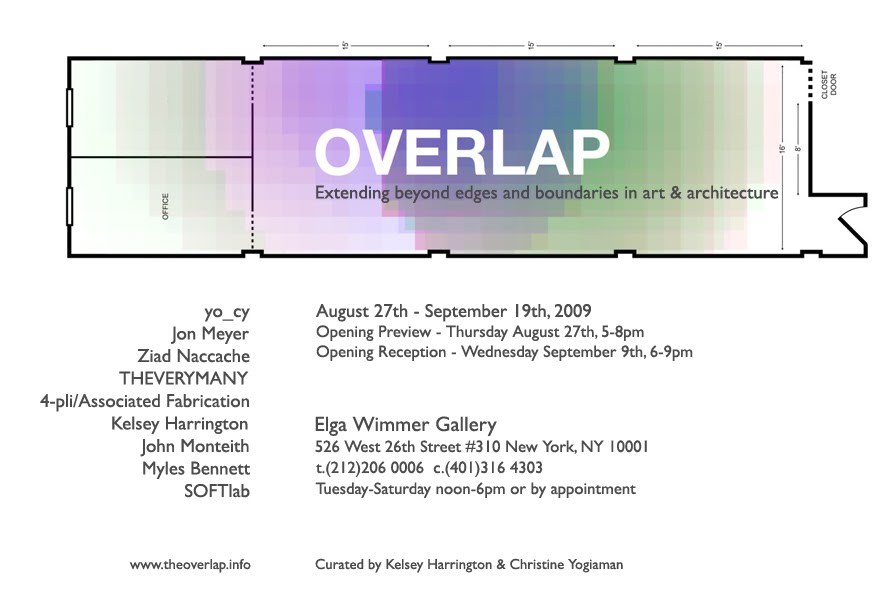
THEVERYMANY (Marc Fornes, Skylar Tibbits) / Aperiodic_Vertebrae
LOG_assembly_day_04: things are going smoother - one day to go before the opening...

Labels: , , , , , , , , , , , ,

Thursday, January 31, 2008

080130_Exhibition: Aperiodic_Vertebrae


THEVERYMANY has been set up based on a continuum research on explicit and encoded protocols within design - the first implicit consequence of its core is to let traces; those traces - often under the format of simple text files - allow to exactly reproduce or alter the model, eventually share axioms... but it somehow also requires to admit and assume those traces, if so, one can learn from mistakes, errors and/or tolerances of previous stages or generation based on feed back...


Yesterday was the kick start in Berlin of the assembly process for the installation -once again the amount of components generated through a long chaine of various small codes / utilities has directly revealled "dirt"/issues hidden behind a fast/furious seamless process... yet nothing extraordinary beyond the purpose of a physical mock up: large scale test for a complete automate pipe line of form & drawing generation...


DIRTY DIGITAL:
One of the significant issue we came across is related to the nature of tiling and computation - the subdivision algorythm is based on a recursive protocol (or SUBSTITUTION) which is first drawing a primitve pyramide (within a choice of four primitives) which then gets subdivide - the process is repeated many times within itself to generate self-similarity... the issue there is that within each generation the protocol requires to "compare" (points, lenght, areas, etc...) and that matching process needs to determine whether two geometry or parameters are "equal" given an inevitable rounding errors... unfortunately the rounding errors are bound to accumulate whithin each generation...
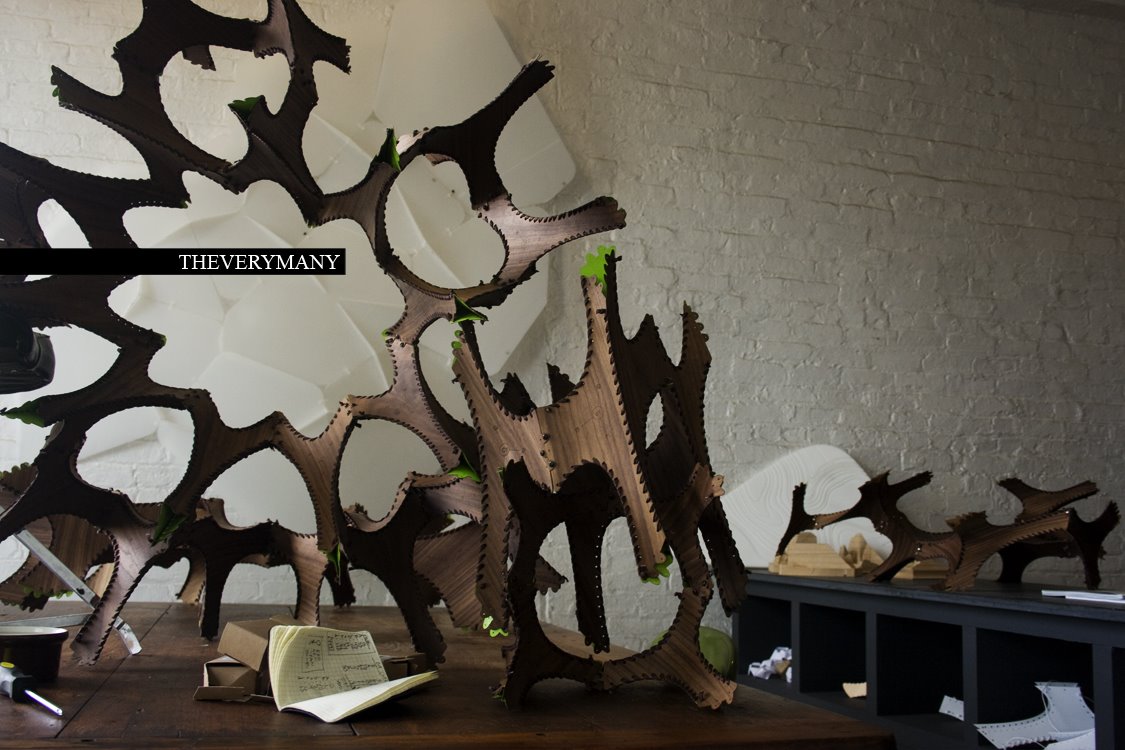
Yet it wasn't any special issue except when point connection gets generated and therefore requires to increase the tolerance factor not to miss any neighbors... though applying overal tolerance is triggering other error trapping while small naming or matching utilities code are running as host on the larger protocol...
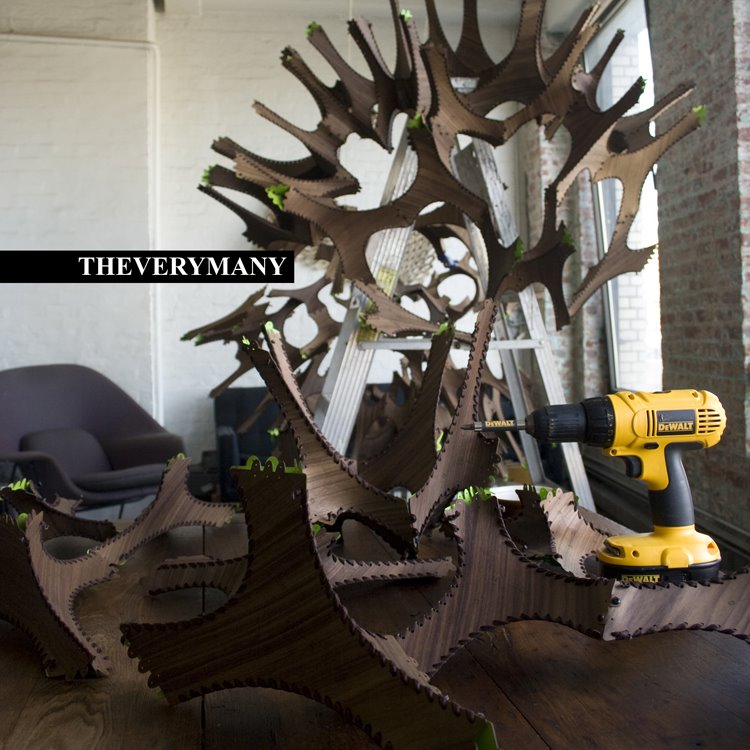
Anyway - suming up it is yet still triggering slight erros and confusion - though I'd like to be transparent and learn within those error trapping - it is defintively part of a certain material paradigm debugging...
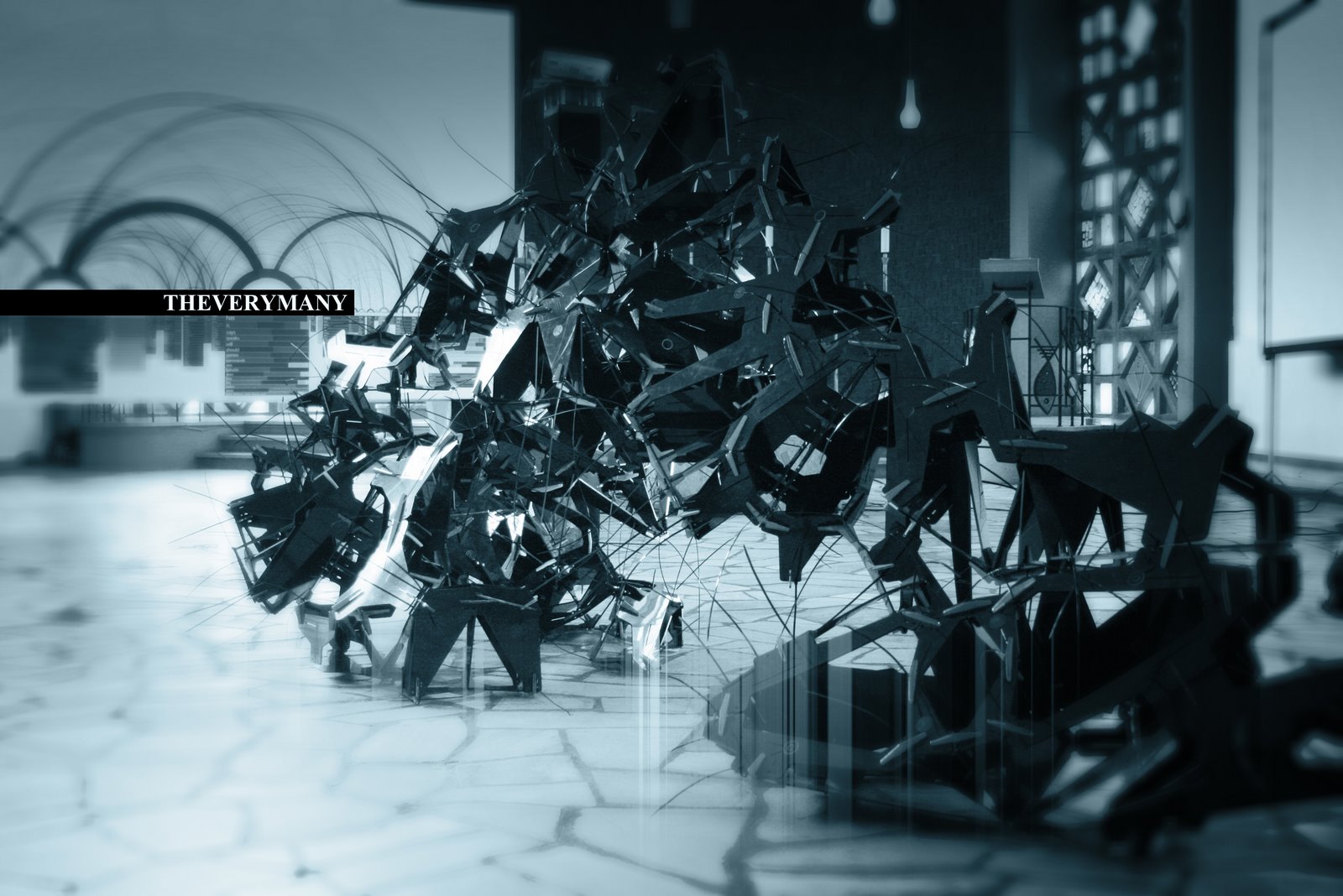

Let see which surprises are we getting tomorrow...
"a chaque jour sa peine..."

Labels: , , , , , , , , , ,

Saturday, November 17, 2007

071117_Aperiodic_Series002


The flower is said to be the most conspicuous part of the plant. Their appeal has encouraged Man to know and possess them, developing technique such as gardening. The beauty of their petals - regarded as a highly modified leafs - has mainly been developed to attract pollinators (insects, birds or bats) which play an important role in the reproductive process of pollinating.

As an architect the easy shortcut of assimilating petals to cladding is a very tempting analogy: even though both have very different constraints and mode of operation, cladding -like petals- other than defining and protecting its host is often mainly regarded as an ornamental design exercise with one function only: made to attract… though within one rule only: within budget!


Here that shortcut has been taken to its paradigm as starting hypothesis: assuming the time of a geometrical wandering only - like some sort of temporary but controlled amnesia- that a cladding strategy could be elaborate on a flower attraction effect (affect??) though not by the complex geometry of its petal but rather by the intricacy of its assembly…

If “within a certain cost” intricacy can only be achieved within repetition - here:
- take 4 flowers (flower as assembly but also assemblage) describe within a pyramid
- each flower is made of 4 petals
- each petal is simplified based on a closed nurbs curve written within a triangle
- but also each petals is common at two flowers
- add 4 more flowers as the exact mirror of the first ones
You can therefore describe 8 different flowers of 4 petals with height 8 unique petals only…


If the entire story isn’t based on 4 random pyramids but based on four Danzer tiles you could depending on the scale potentially describe any shapes within such packing based on 4 flowers (connections) and 8 unique petals (tiles)…

Labels: , , , ,

Wednesday, November 07, 2007

071107_Aperiodic_Series001


Here is finally the second post on a series of tests done on 3d aperiodic pattern - here based on a Danzer tiling assembly - the other different types of outputs will be posted as a following series of post...

APERIODIC TILING (http://en.wikipedia.org/wiki/Aperiodic_tiling):
A given set of tiles, in the Euclidean plane or some other geometric setting, admits a tiling if non-overlapping copies of the tiles in the set can be fitted together to cover the entire space. A given set of tiles might admit periodic tilings, tilings that remain invariant after being shifted by a translation. (For example, a lattice of square tiles is periodic.) It is not difficult to design a set of tiles that admits non-periodic tilings as well (For example, randomly arranged tilings using a 2x2 square and 2x1 rectangle will typically be non-periodic.) An aperiodic set of tiles however, admits only non-periodic tilings, an altogether more subtle phenomenon.

DANZER TILING (http://www.cs.williams.edu/~98bcc/tiling/index.html):
There are 22 vertex configurations which occur in an infinite (global) Danzer tiling produced by inflating an initial finite patch an infinite number of times. Danzer says in his paper that there are 27 vertex configurations total, but says nothing about the characteristics of the five configurations which do not appear in a global tiling. We have identified a total of 174 vertex configurations by exhaustive search. At present we are unsure whether Danzer's remark is an error or whether some 5 of these are special in some way.


Acknowledgment: I can't pretend taking much credits in the field of aperiodic pattern in architecture as yet somehow in the direct line of people such as Daniel Bozia, Aranda/Lasch, K. Steinfeld and many others who posted on the web explicit and illustrated information on the subject which helped me to figured it out...

Labels: , , ,

Tuesday, October 02, 2007

071001_StochasticChairDress


STOCHASTIC is synonymous with "random." The word is of Greek origin and means "pertaining to chance" (Parzen 1962, p. 7). It is used to indicate that a particular subject is seen from point of view of randomness. Stochastic is often used as counterpart of the word "deterministic," which means that random phenomena are not involved. Therefore, stochastic models are based on random trials, while deterministic models always produce the same output for a given starting condition. . (ie mathworld.wolfram.com)

Labels: , , ,

Thursday, May 31, 2007

070530_Pattern


First test looking at pattern for the floor of an hotel lobby (SOM Interior); one continuous circulation space is treated as a blend of different "moments" or sub-spaces highlighted here through an overall mapping system of ceramic tiles.

THE PATTERN (ie : Wikipedia.org)

The PATTERN is a form, template, or model (or, more abstractly, a set of rules) which can be used to make or to generate things or parts of a thing, especially if the things that are created have enough in common for the underlying pattern to be inferred, in which case the things are said to exhibit the pattern. Pattern matching is the act of checking for the presence of the constituents of a pattern. The detection of underlying patterns is called pattern recognition. The question of how different patterns emerge is accomplished through the work of the scientific field of pattern formation. Patterns are also related to repeated shapes or objects, sometimes referred to as elements of the series.

The simplest patterns are based on repetition/PERIODICITY: several copies of a single template are combined without modification
.”


INCREASING THE RESOLUTION: variation criteria are illustrated through the repetition of "identical", "similar" or "self-similar" hexagonal components via changes of scale (each tile format can be recomposed by an assembly of smaller tiles having the same shape), color (allowed within “stepped ranges” in order not to maximize the number of different colors), finishes ( from glossy to mat and ruff) and orientation (the poly-directionality of the six sided shape of the hexagon chosen here for its best fit to the numerous branching direction of the project is reduced via a re-subdivision into three pairs of two sides, shaping some sort of arrow acting as a compass)


Pseudo Code:

post in progress - requires editing...

Labels: , , , ,

Friday, April 20, 2007

070419_rh4_tesselation_flat_panels(2)


SUPERSTRUCTURE

A superstructure is an extension of an existing structure or baseline. (...) The word itself is a combination of super (Latin for above, in addition) and structure (also from Latin meaning to build, to heap up). (ie wikipedia.org)

Here, the routine is plotting first flat components onto the host surface to create a non air tight skin system which serves as "basline" for a secondary searching algorythm looking for intersection points as assembly nodes for a extra structure or superstructure...


Emergent properties:
1/ all the components are intersecting with one neighbour at least which allows them to be connected via that point without requiring extra complex bridging through gaps and difference between the panels of heights, angles, ect... though some sort of "continuity check" algorythm will be required in order to identify larger autonomous clusters which wouldn't be connected to the whole and therefore structurally failling...
2/ the resultant skeletal system - driven from a simple neighbourhood condition and linking all the connexion nodes with the inputed point set - is looking very similar to leafs structures... emergent biomimetism?

Labels: , , ,

Wednesday, April 18, 2007

070417_rh4_tesselation_flat_panels


FITNESS CRITERIA is probably where - within any morphogenetic or form finding processes - "subjectivity" is the most "exposed"... recent trends are pushing back towards the return of SUSTAINABILITY as the latest alibi for form: data set extracted from environmental analysis software package are directly - or yet still often via old school Excel sheets - feeding back parametric models... or facades aperature systems are designed according to optimization after to arrays of vectors simulating precise rays of light, etc... fair enough as far as sustainability is probably the most current anti-polemic marketing tool whenever politic is involved... though more worrying in certain case where it becomes an other escapism root to the designer responsability of decision making...

"PROBLEM CARING" as design tool versus "PROBLEM SOLVING" as optimization tool...

As any young practice interested in "depth-less spaces" by introducing continuity of surfaces - most often resulting in "complex shapes/forms/ornementations/etc... - I've very early on been introduced to VALUE ENGINEERING and like any constraints V.E. can be turned at your advantage in terms of design tool: planar within curved?


"In computer science, COMPUTATIONAL GEOMETRY is the study of algorithms to solve problems stated in terms of geometry." (ie Wikipedia)

Displayed is a further study in progress onto TESSELATION of double curved nurbs surfaces with FLAT components (without calling triangulation).
Here the most important design hypothesis was for the component to be non homogenous and therefore shouldn't have the same number of verticies: from 3 to 7-8... also the emergent propriety of the used algorythm is to avoid any sharp angle (cost control + tolerance issue)
also the assembly is yet mot packed - and therefore not air tight - all the the component are within a certain tolerance non overlapping.

Assemblies (step 001): within non linear algorythm - resulting here in non ordered systems - intersection points can be used as sampling test for tangencies:
IF a point is shared by the boundaries of two panels THEN they are neighbours...

Labels: , , , , ,