Tuesday, June 03, 2008

080603_CoLab: R&Sie + THEVERYMANY (001)


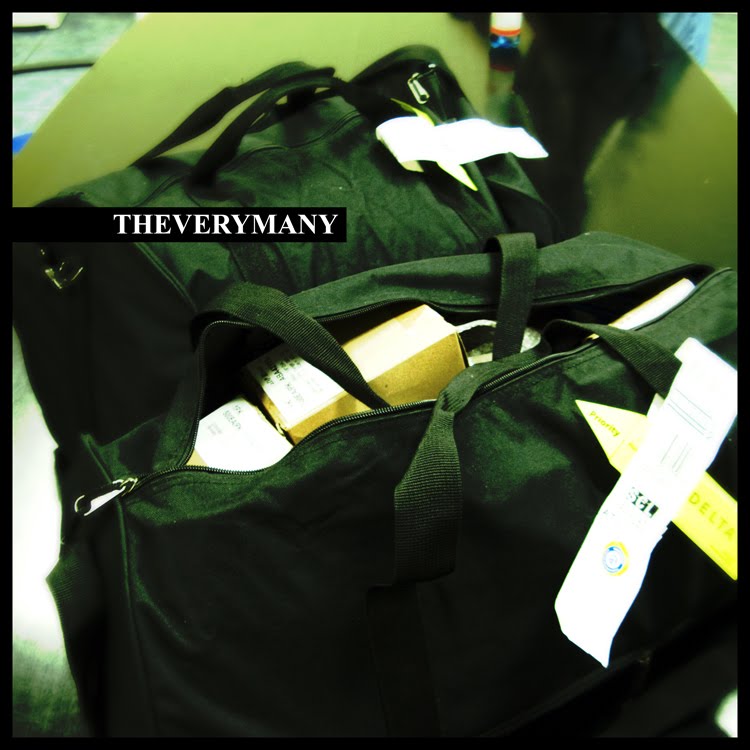
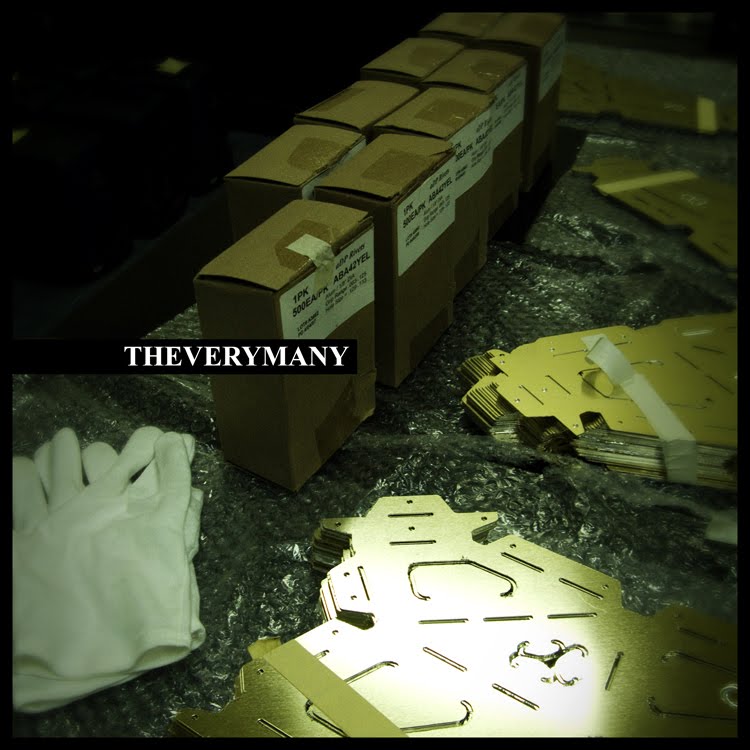
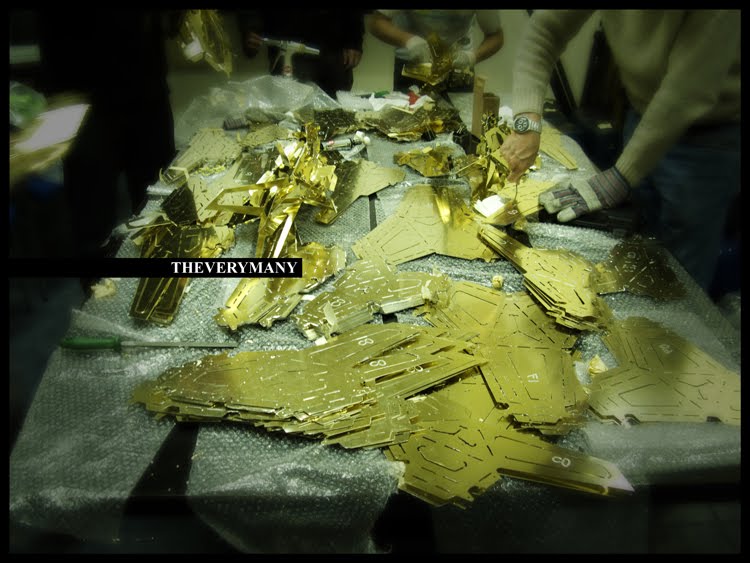
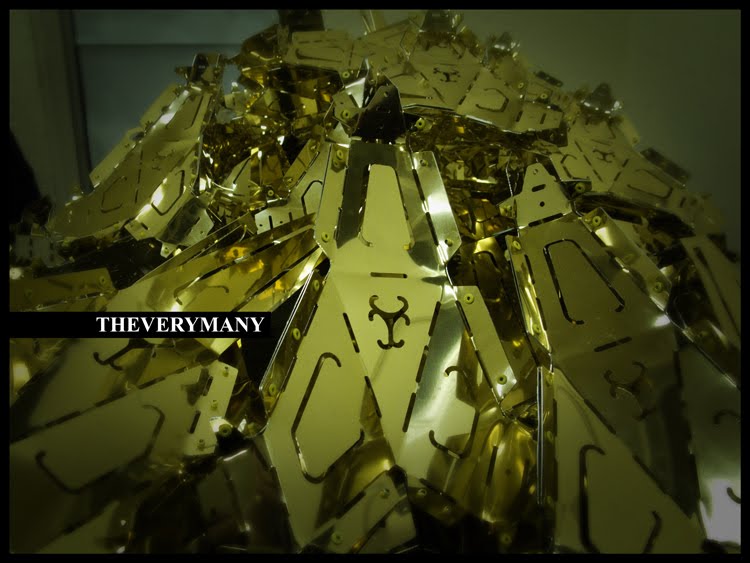
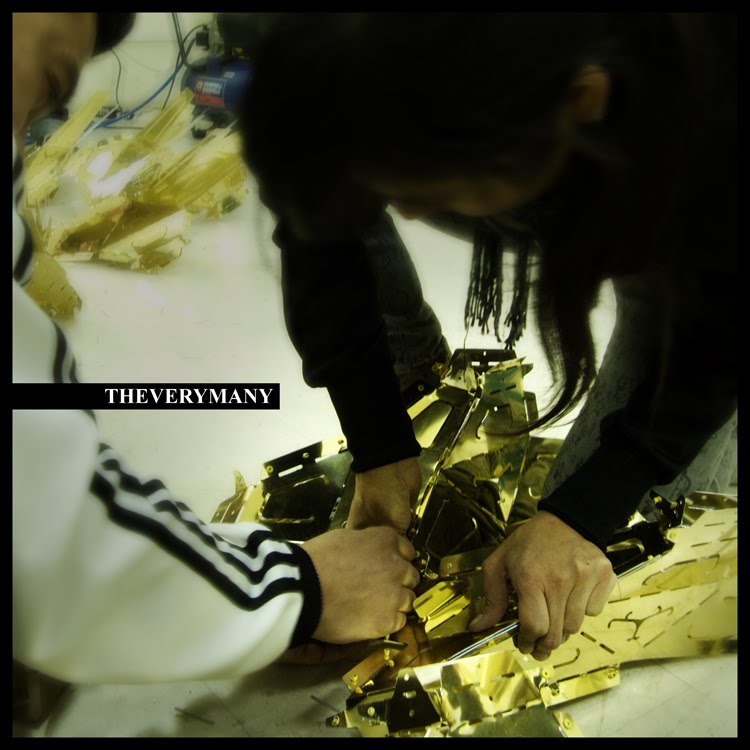
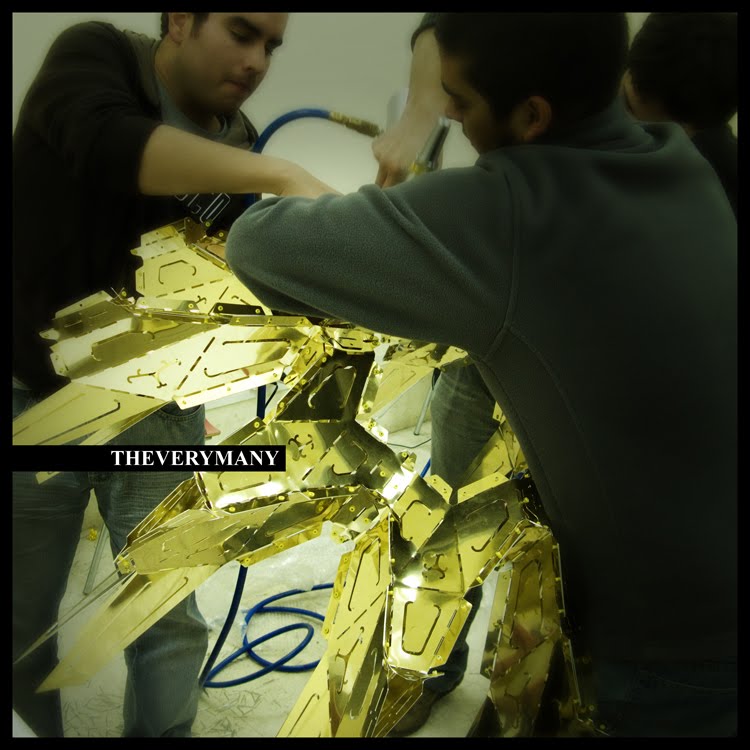
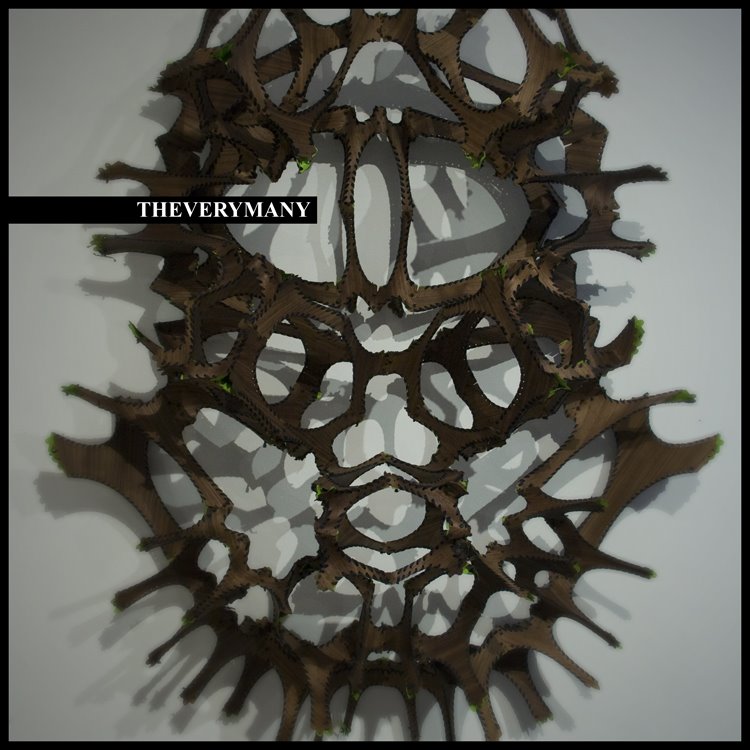
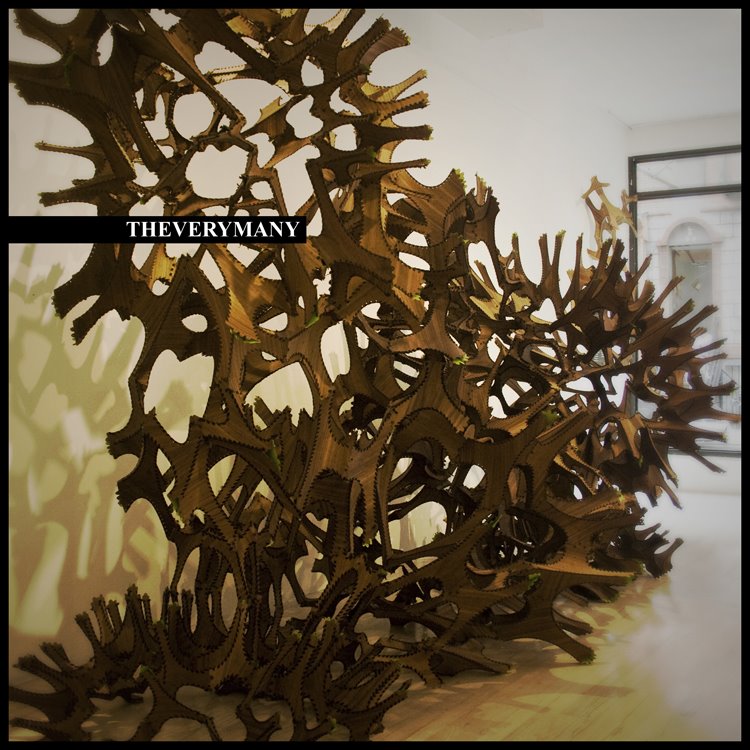
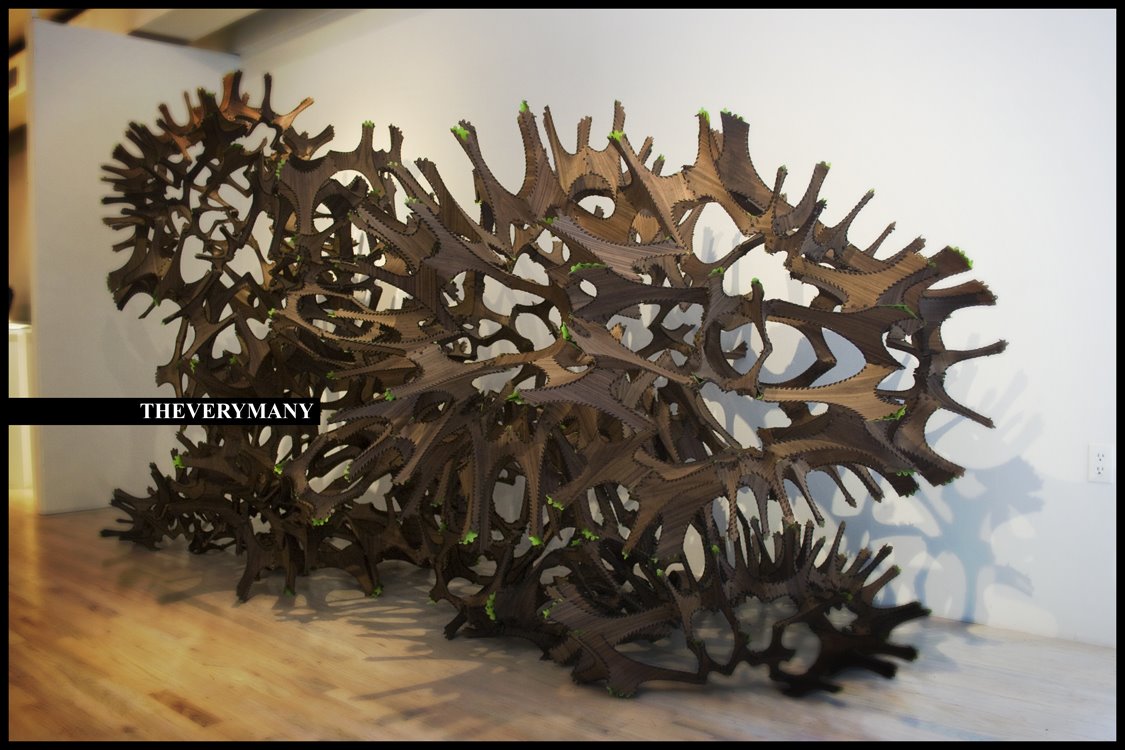
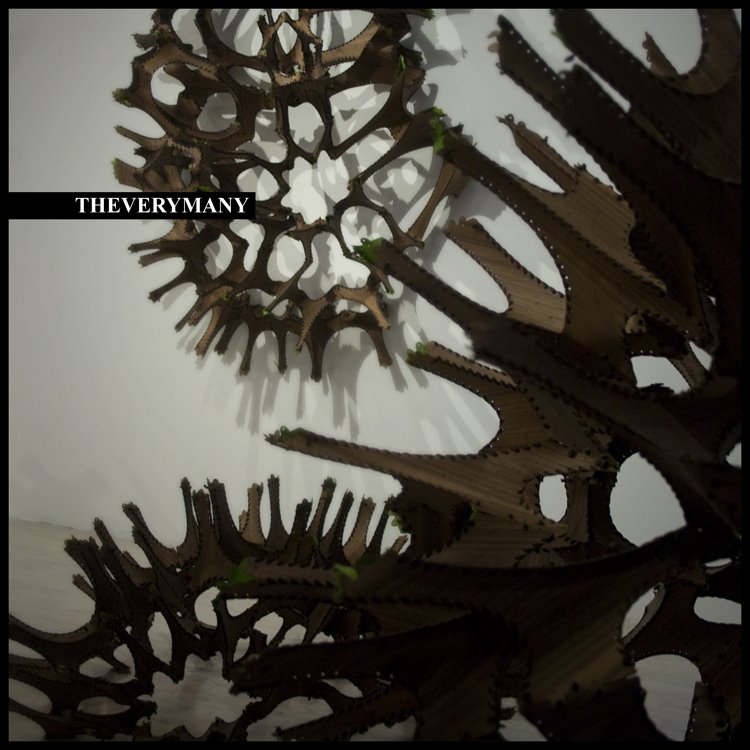
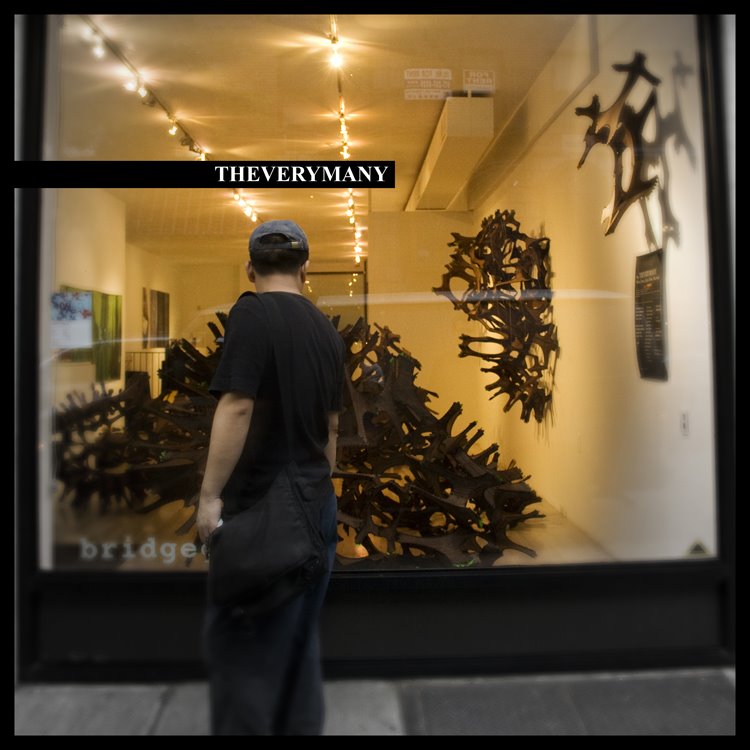
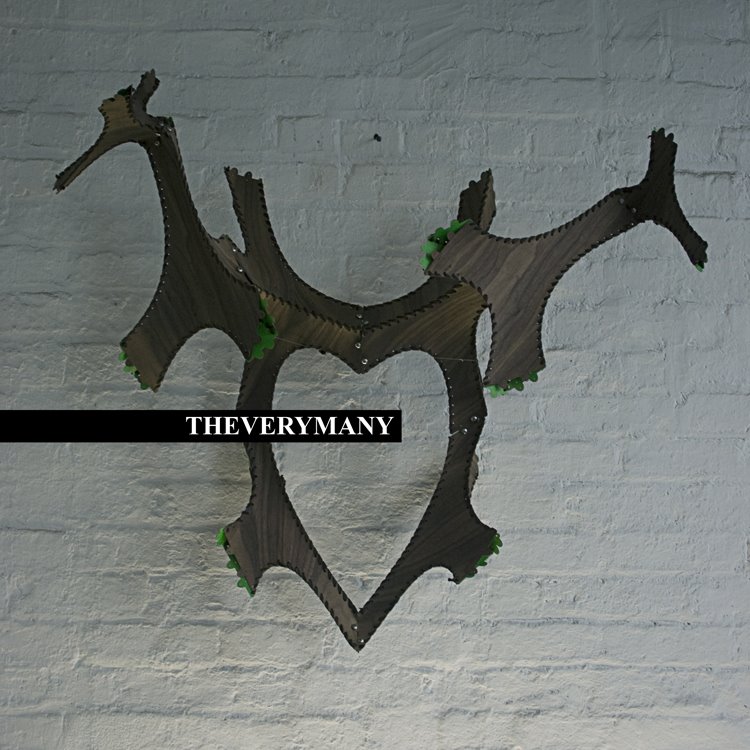
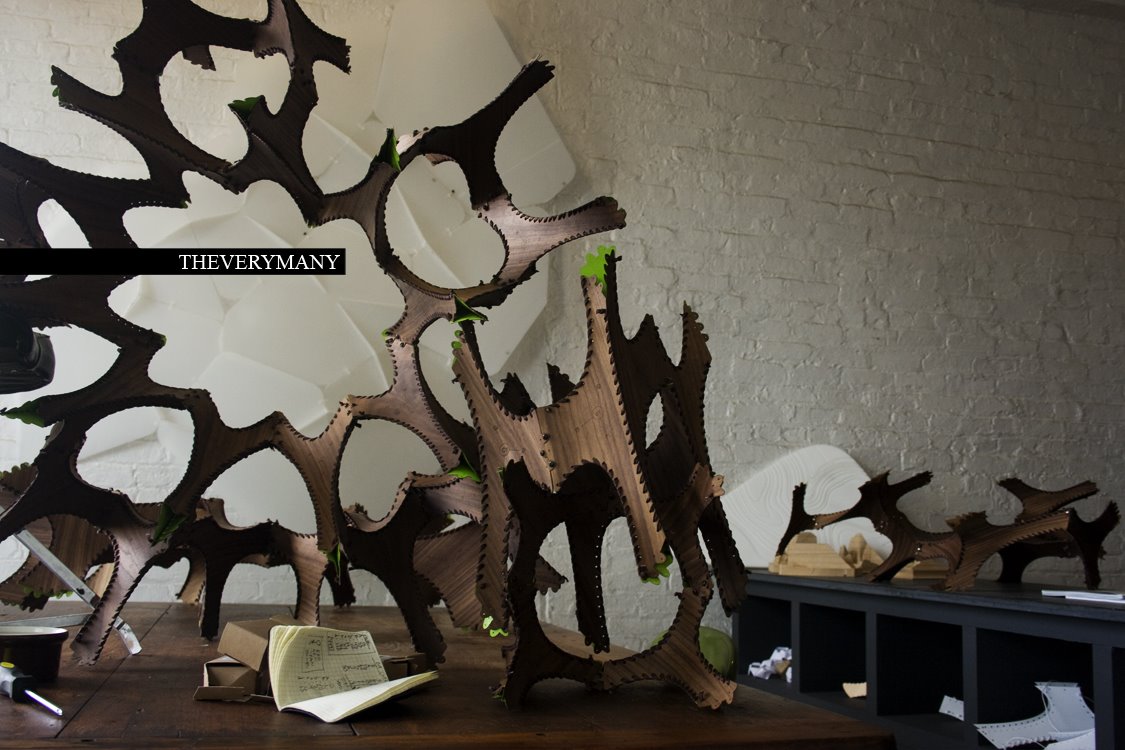
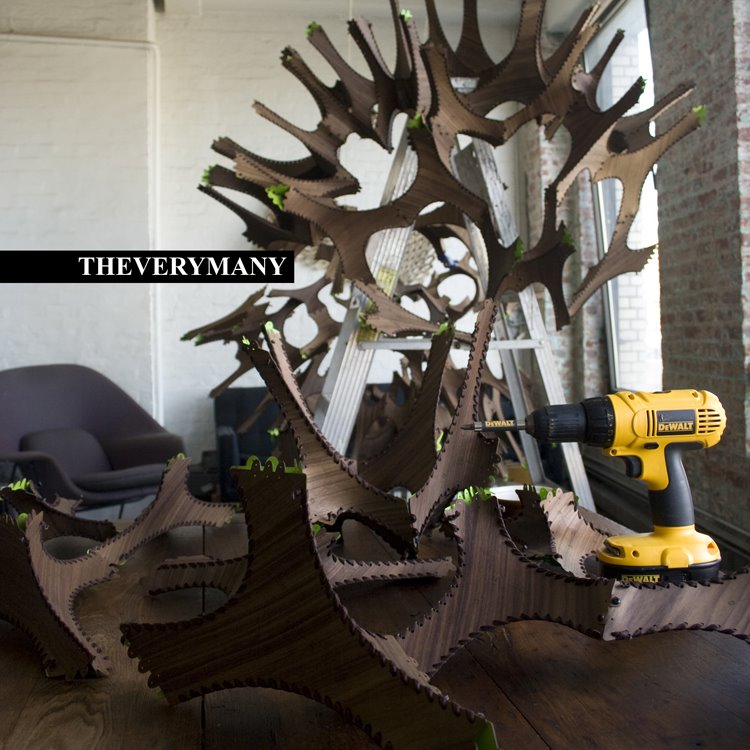
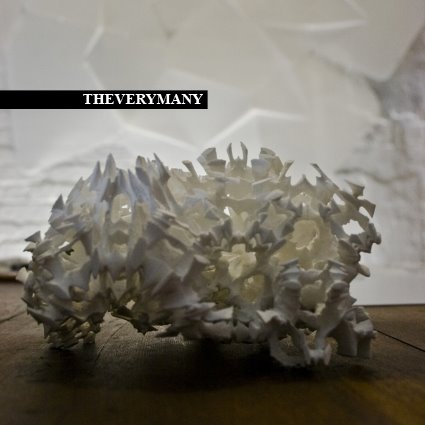
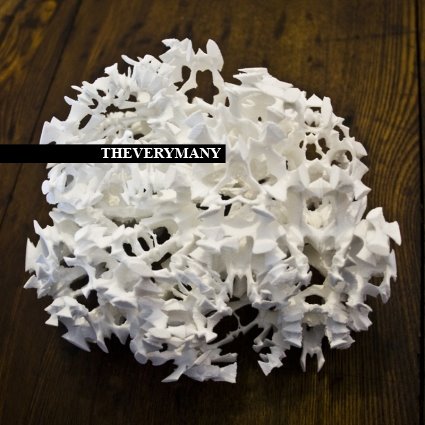
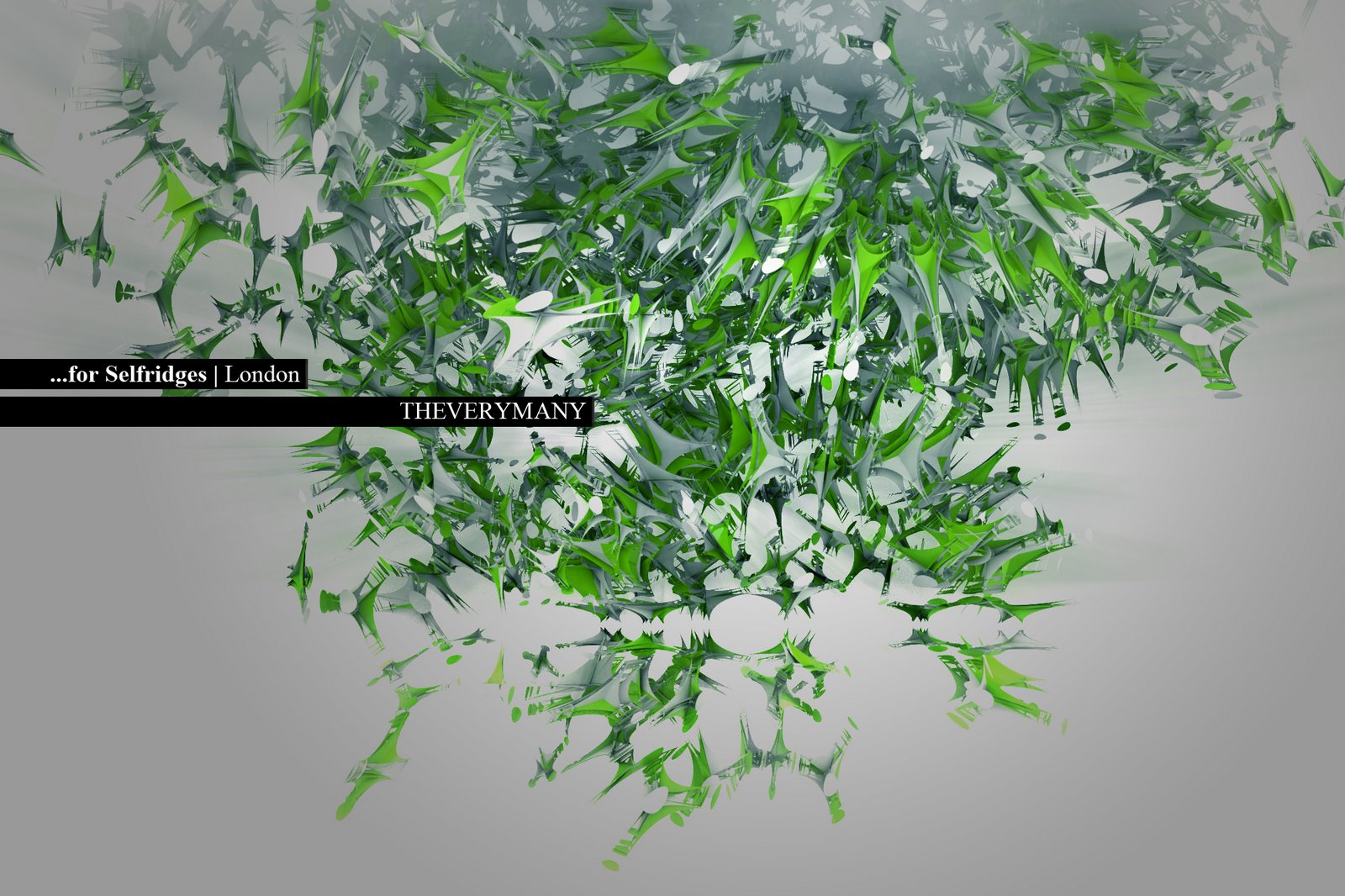
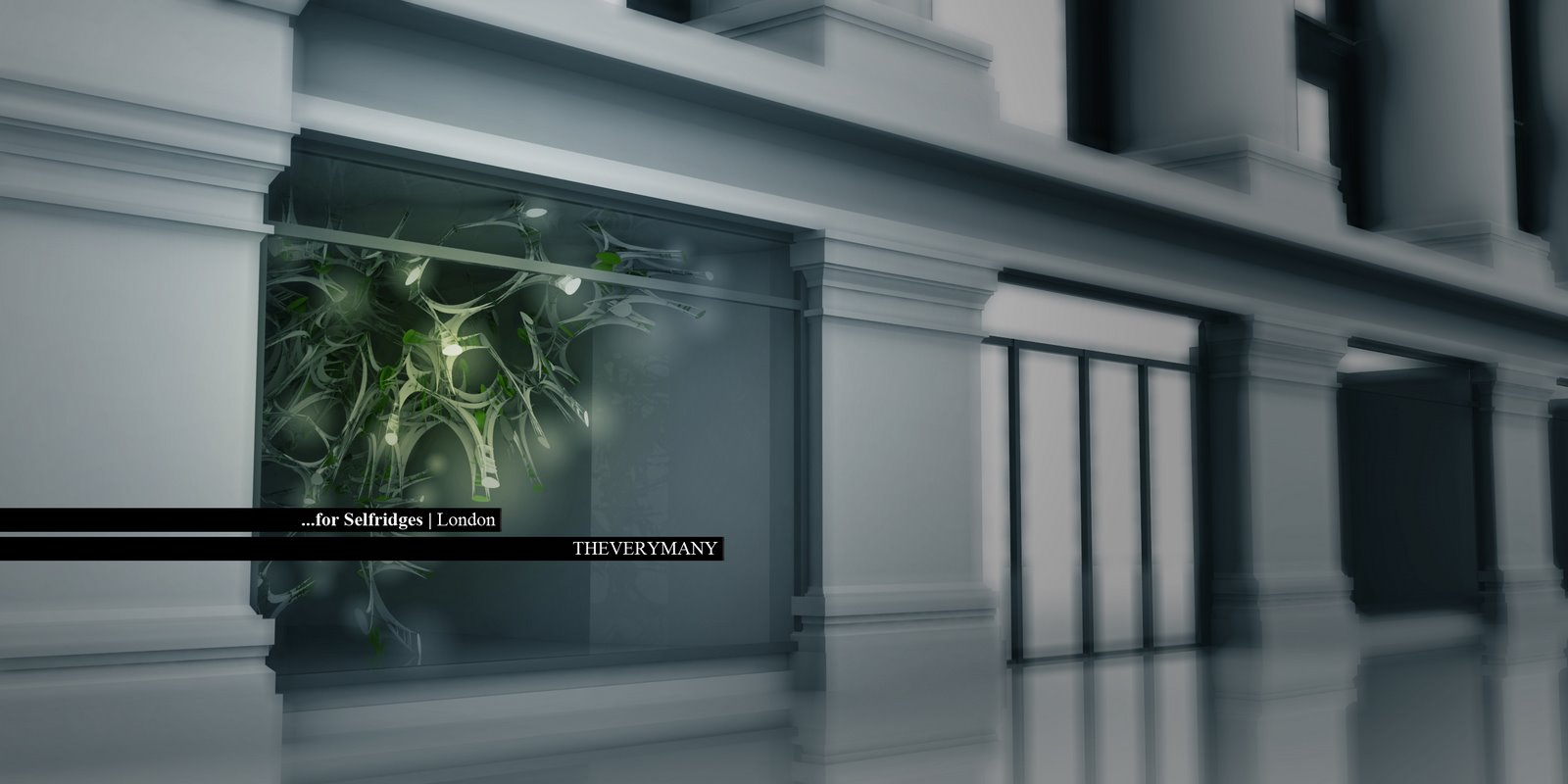
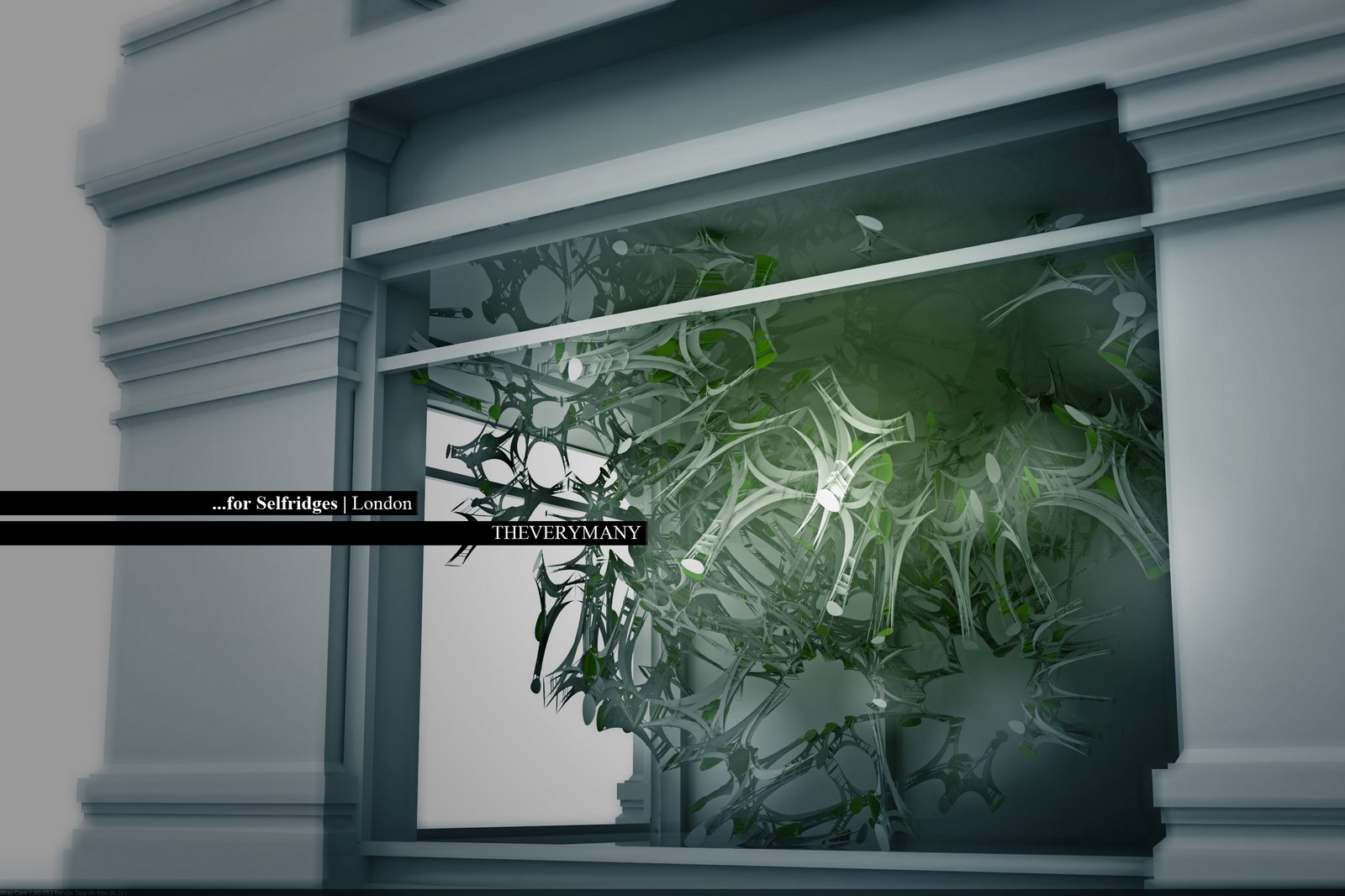
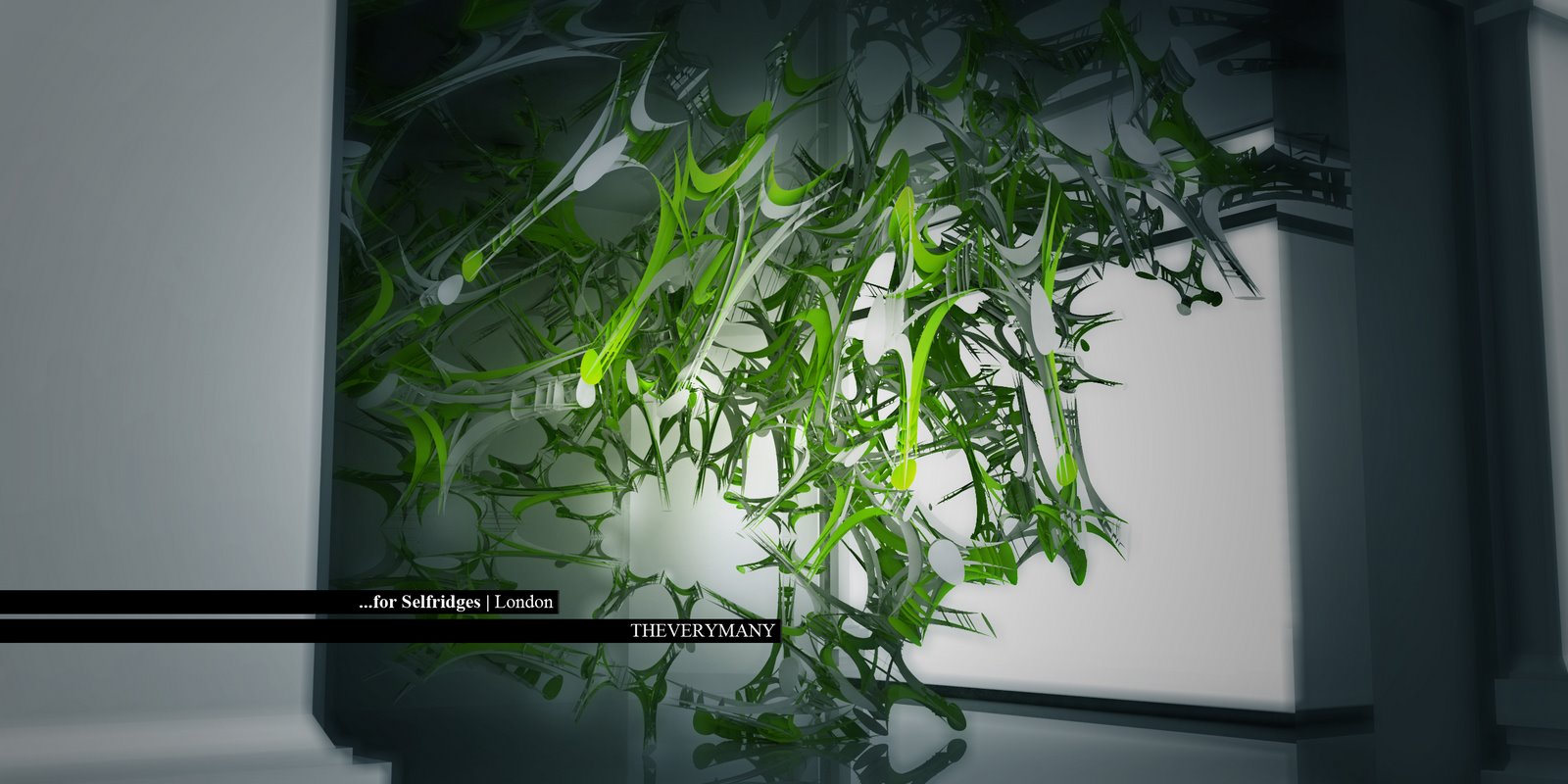
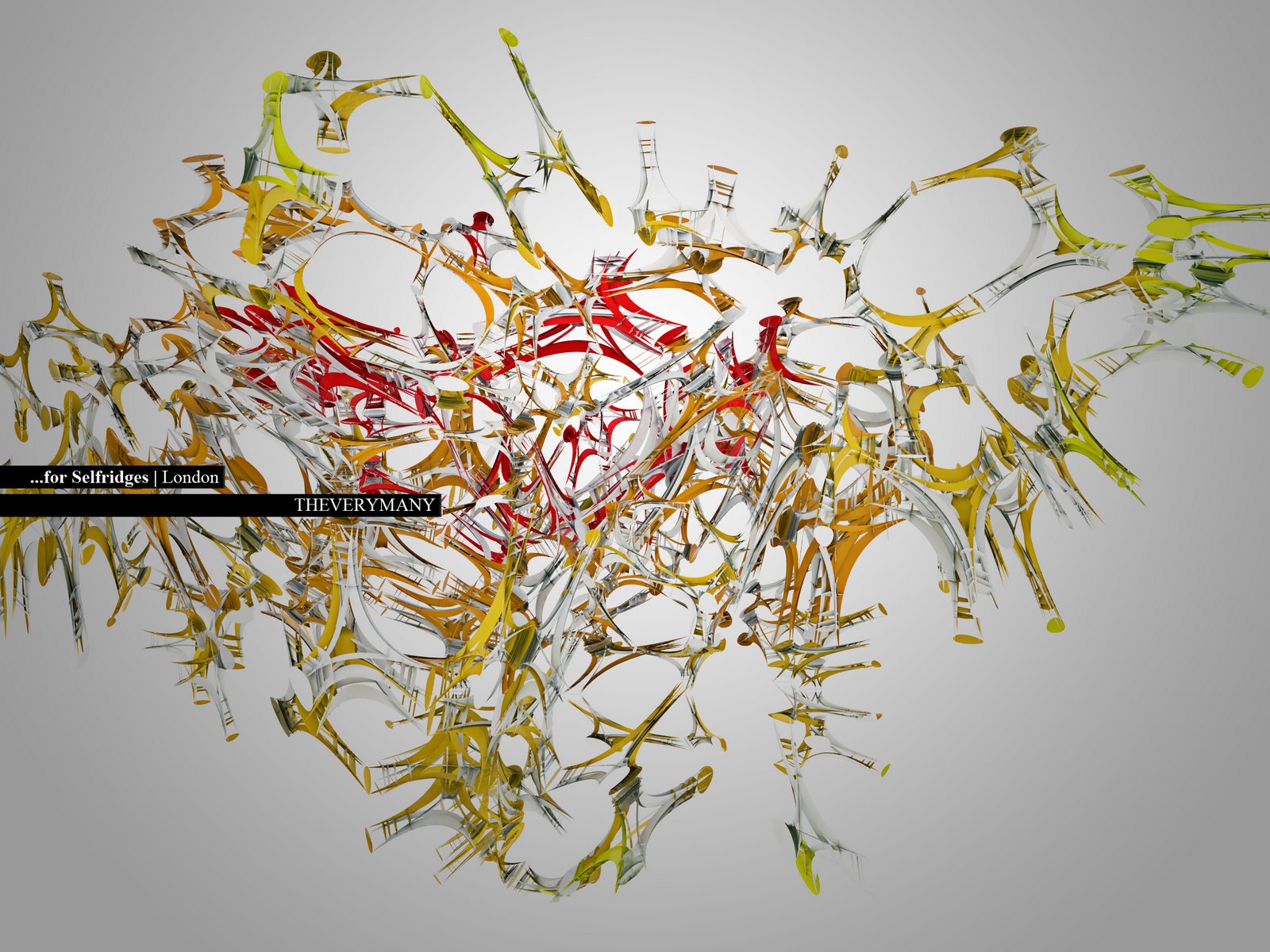
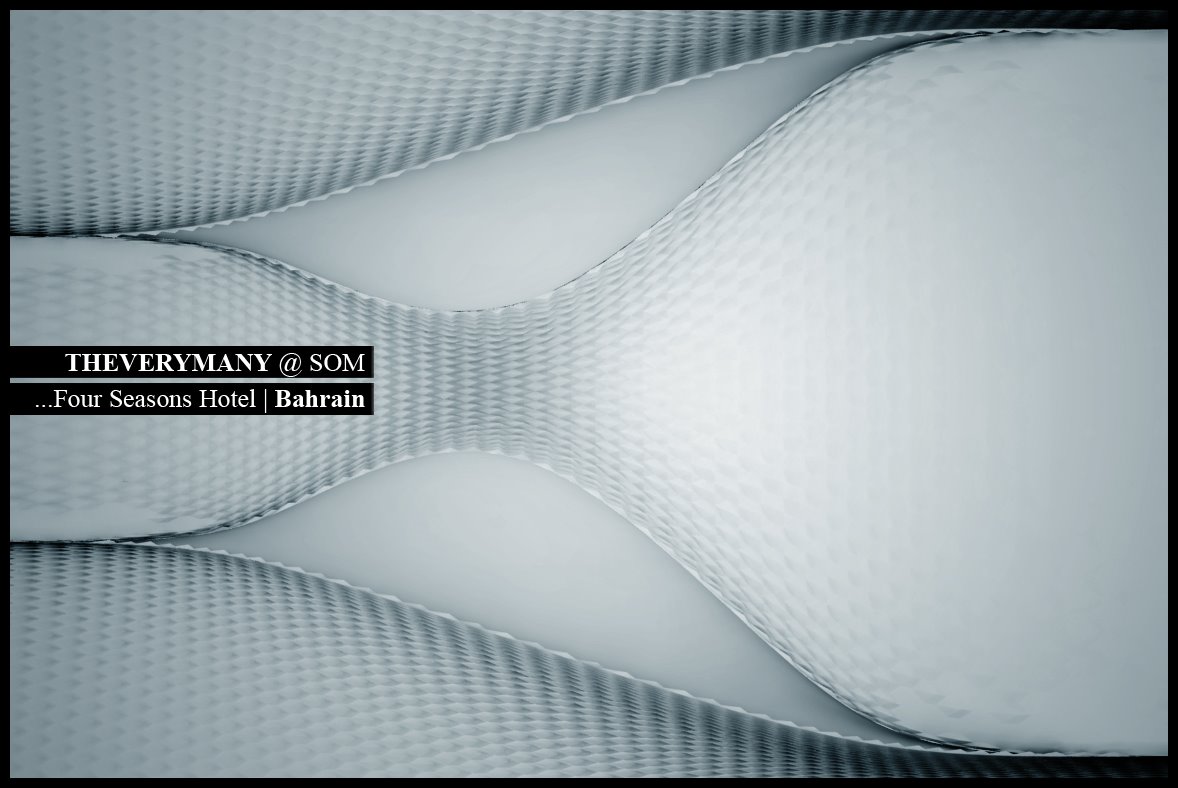
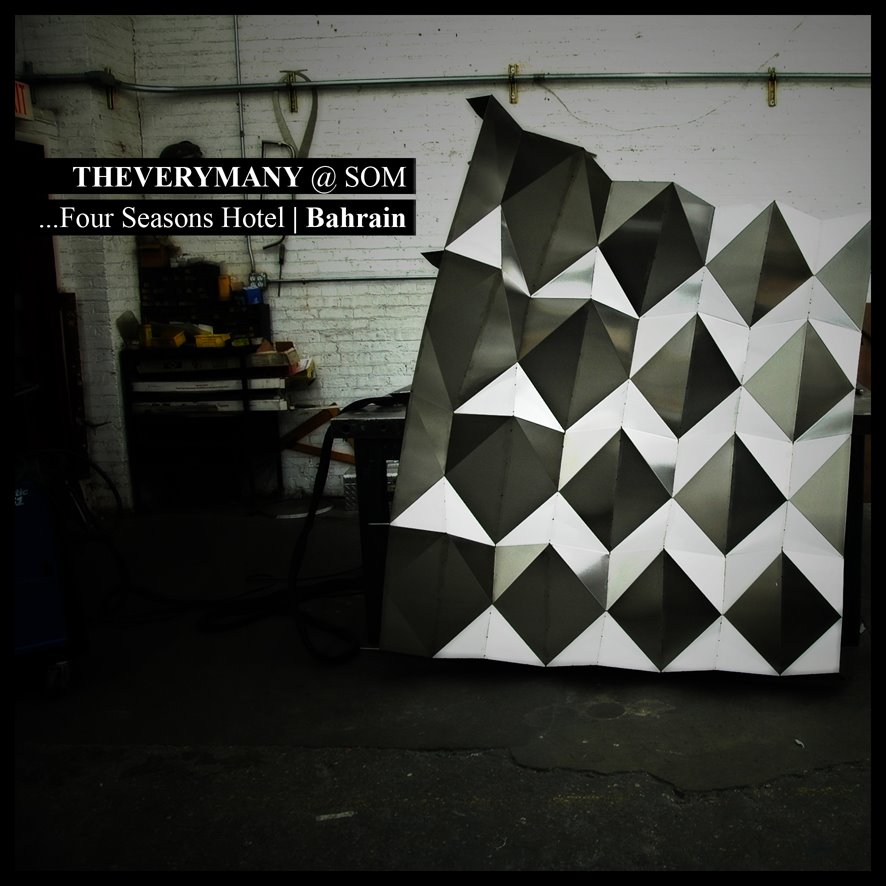
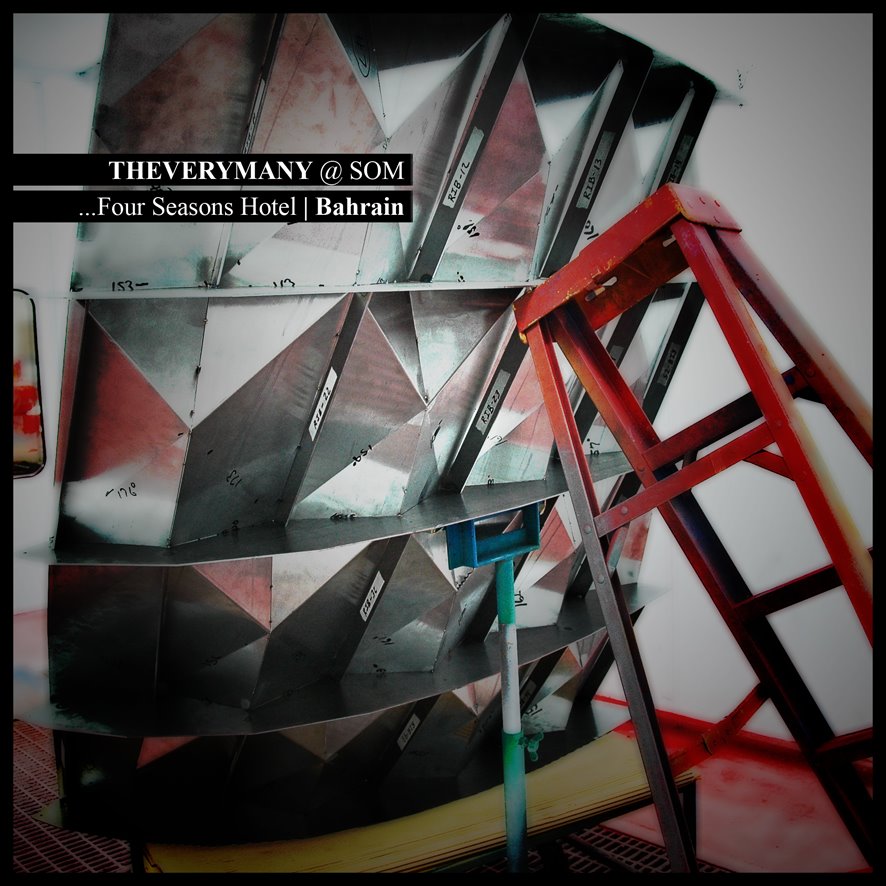
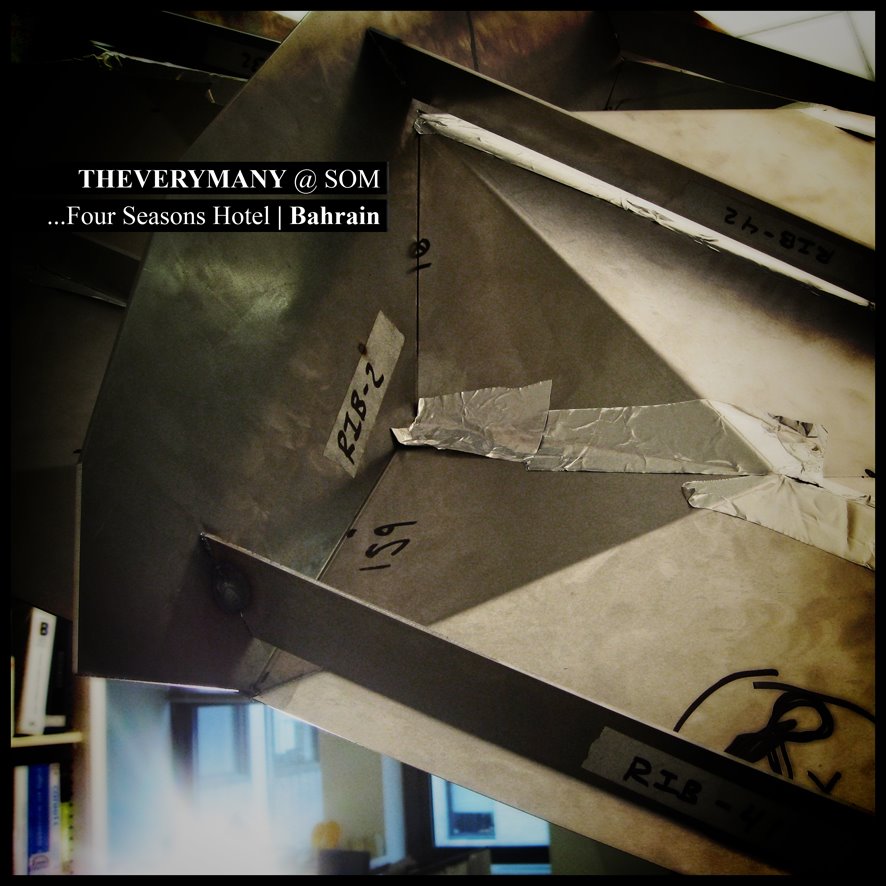
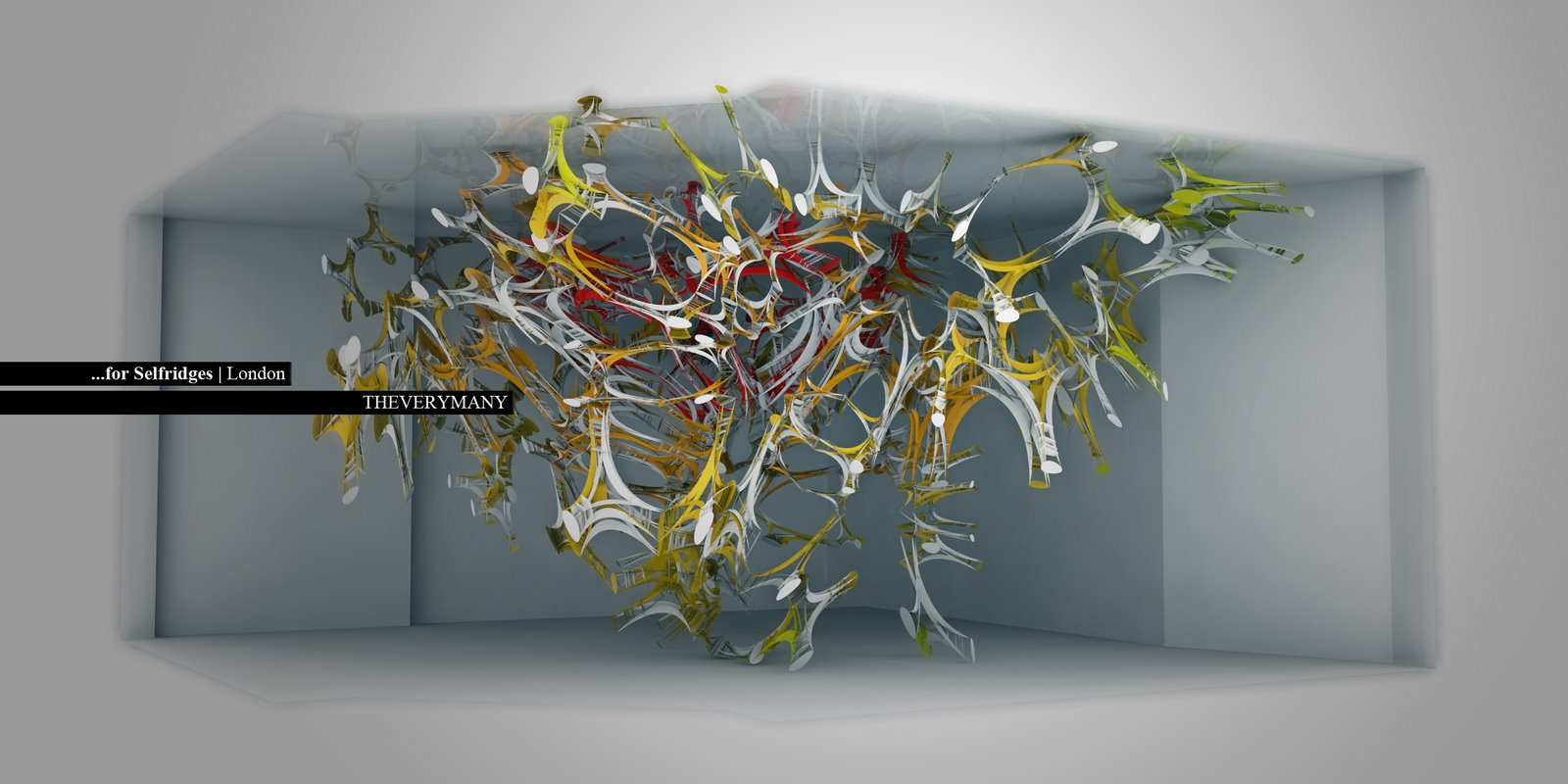
As part of the current update sequence on the work of THEVERYMANY onto its weblog - here is a collaboration (quite old as already last february) with Francois Roche, principal of R&Sie (www.new-territories.com).


THEVERYMANY was initially asked to developed a plugins looking at weaving structures - that first post from a series is showing some very first generic tests... more to come! (if ever not experiencing further difficulties with blogger!)


Labels: , , , , ,

Friday, May 30, 2008

080530_WORKSHOP_Rhinoscripting (McNeel)


RhinoScript workshop for professionals organized by McNeel Europe in Paris
E.N.S.A.P.L.V. - 17-18 juin - 9:00 to 17:00
http://blog.rhino3d.com/2008/05/rhinoscript-workshop-in-paris.html
http://www.eu.rhino3d.com/e-news/rhinoscript_france0508.htm

Marc Fornes will teach how to get the most from RhinoScript starting from the basics (operators and functions, conditions, arrays) to the final analysis, description, reconstruction and tessellation of NURBS surfaces.

Marc Fornes, Architect DPLG, is the founder of THEVERYMANY, a design studio and collaborative research forum engaging the field of architecture via encoded and explicit processes. Rhino and RhinoScript expert, Marc collaborates with McNeel on a regular basis.


Ecole Nationale Supérieure d'Architecture de Paris La Villette
11, Rue de Cambrai
Rez-de-chaussée, Bâtiment Nº. 31
Paris 75019
Metro : Corentin Cariou

Labels: , , , , , ,

Wednesday, May 28, 2008

080522_INSTALLATION_Tesselion


TEST ONE-TWO ONE-TWO...
Great blogging again since experiencing some issues with blogspot (and by now kindly sort out by their technical team - THX!) - so hopefully this post will start a series of updates on few projects, colab or research I have been involved with those last few weeks/months...


As a very first update - I would like to congratulate Skylar Tibbits for his final thesis project - "Tesselion" - MANY CONGRATS!!

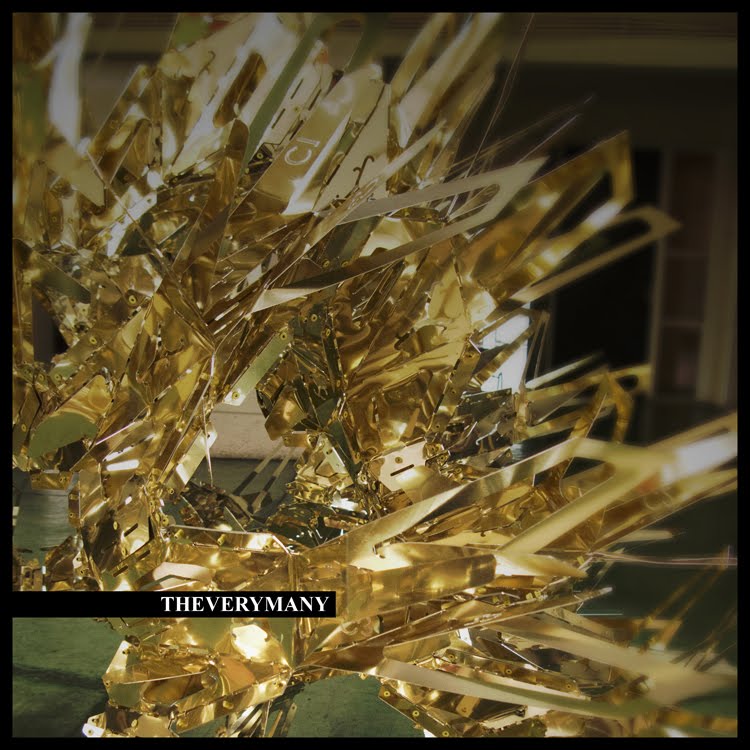
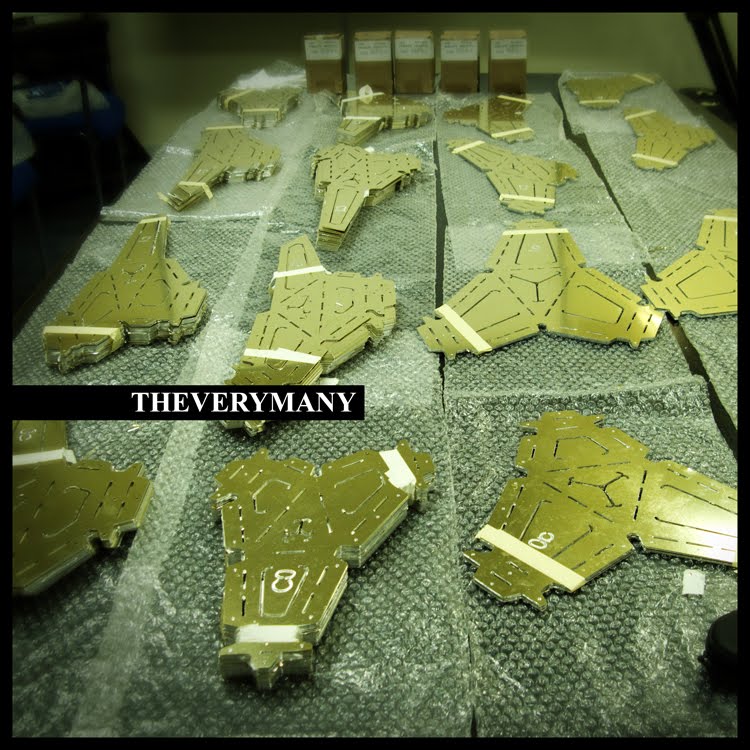
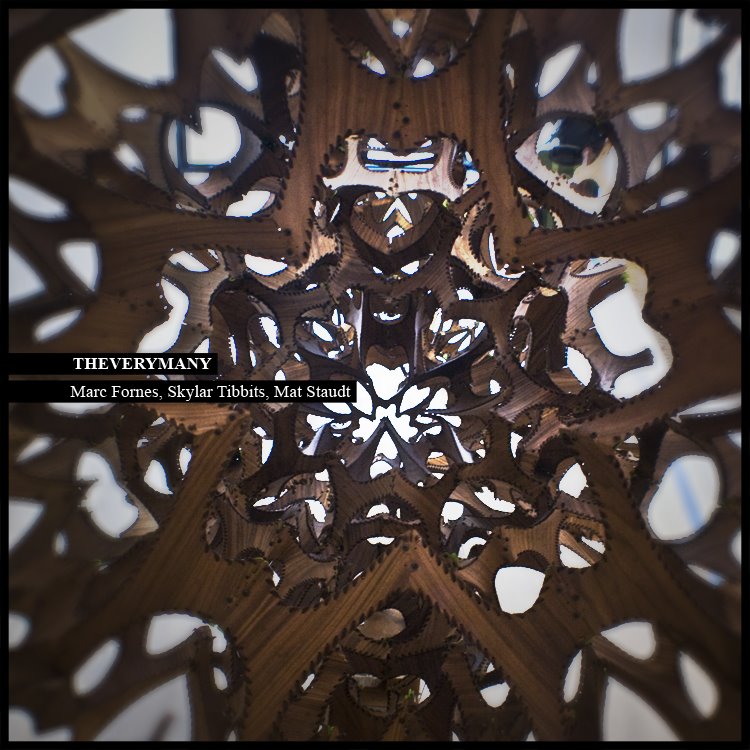
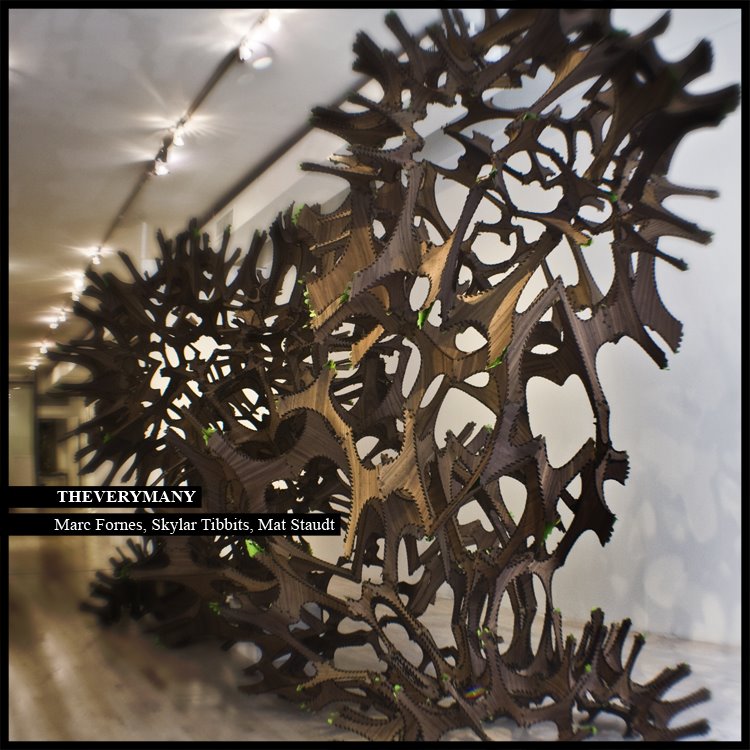
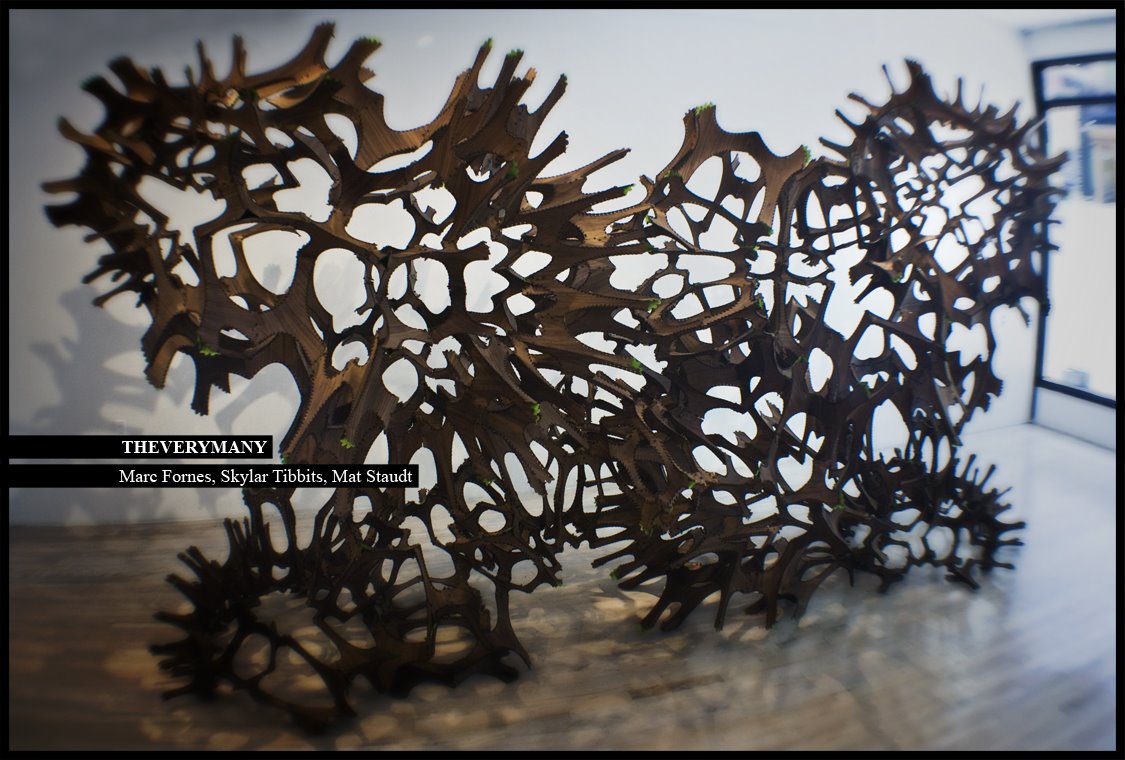
Skylar - now associate within theverymany on several projects - has invited me several months ago to extend one of THEVERYMANY's on going research and investigation onto Nurbs surface - recently entitled "Partly Surfaces" - or ways to describe them and reconstruct them through different tessellation studies exclusively using flat parts (for simple "constructability" issue)...
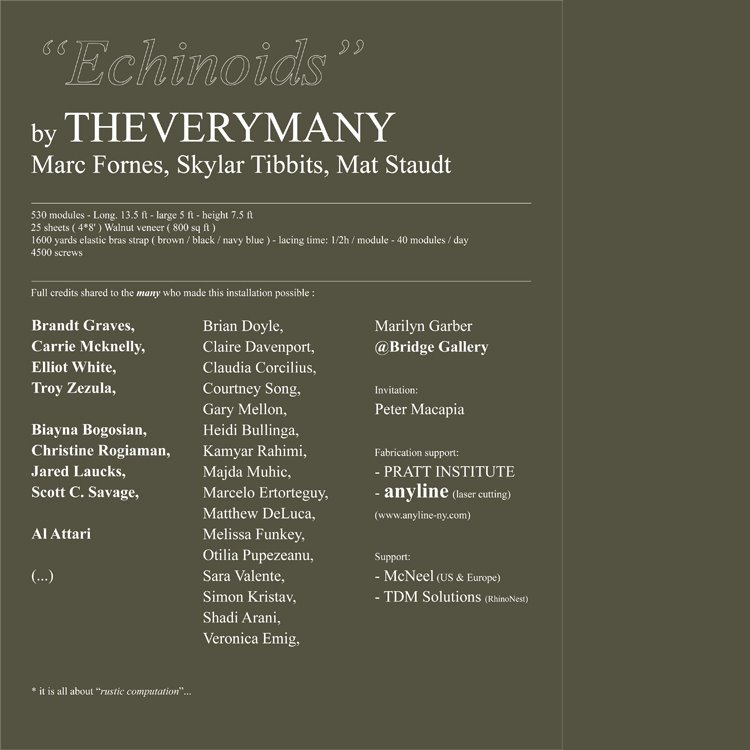
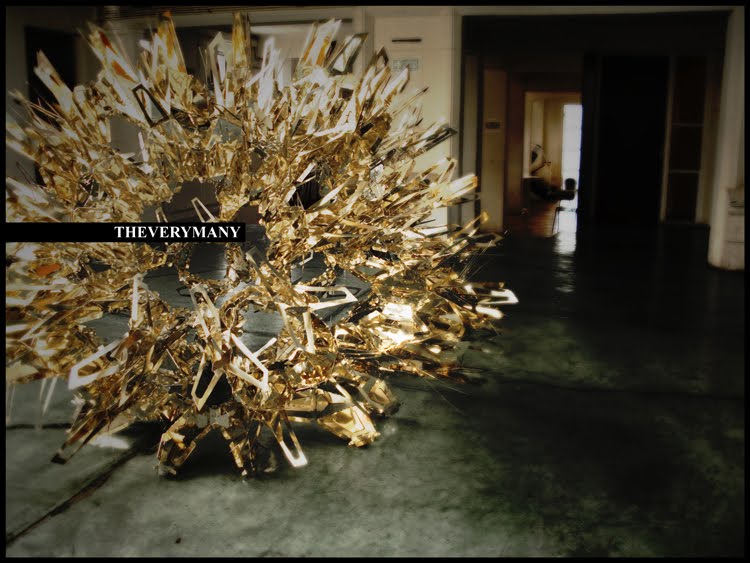
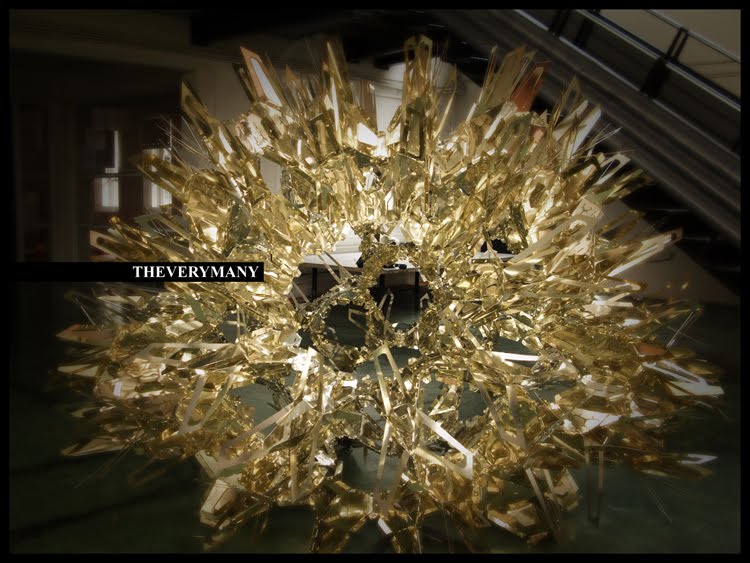
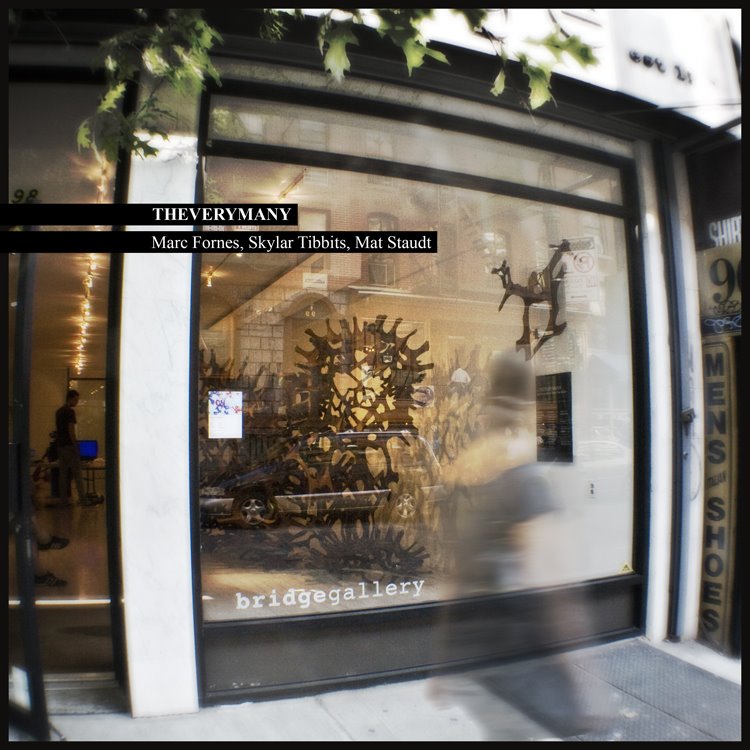
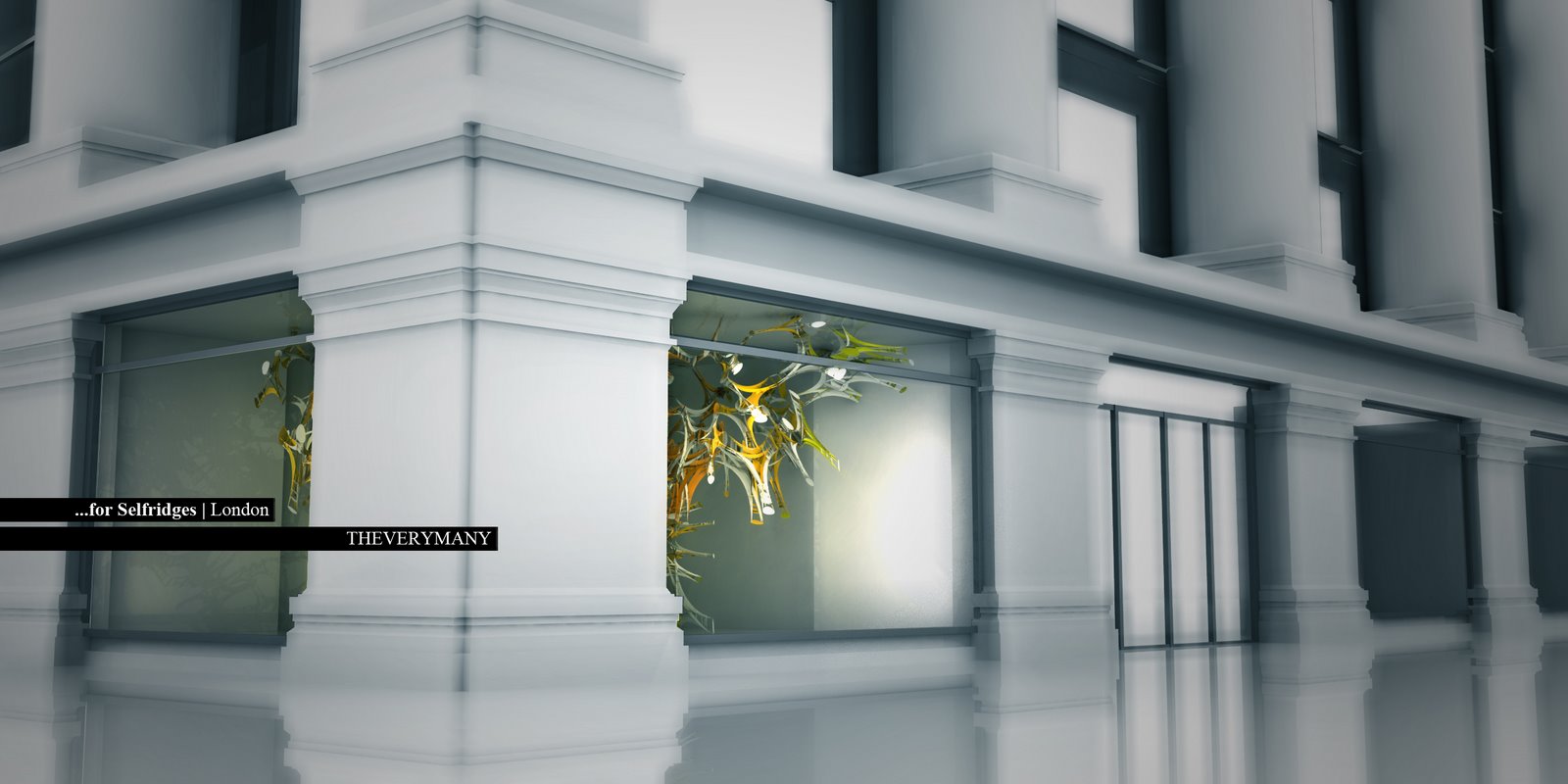
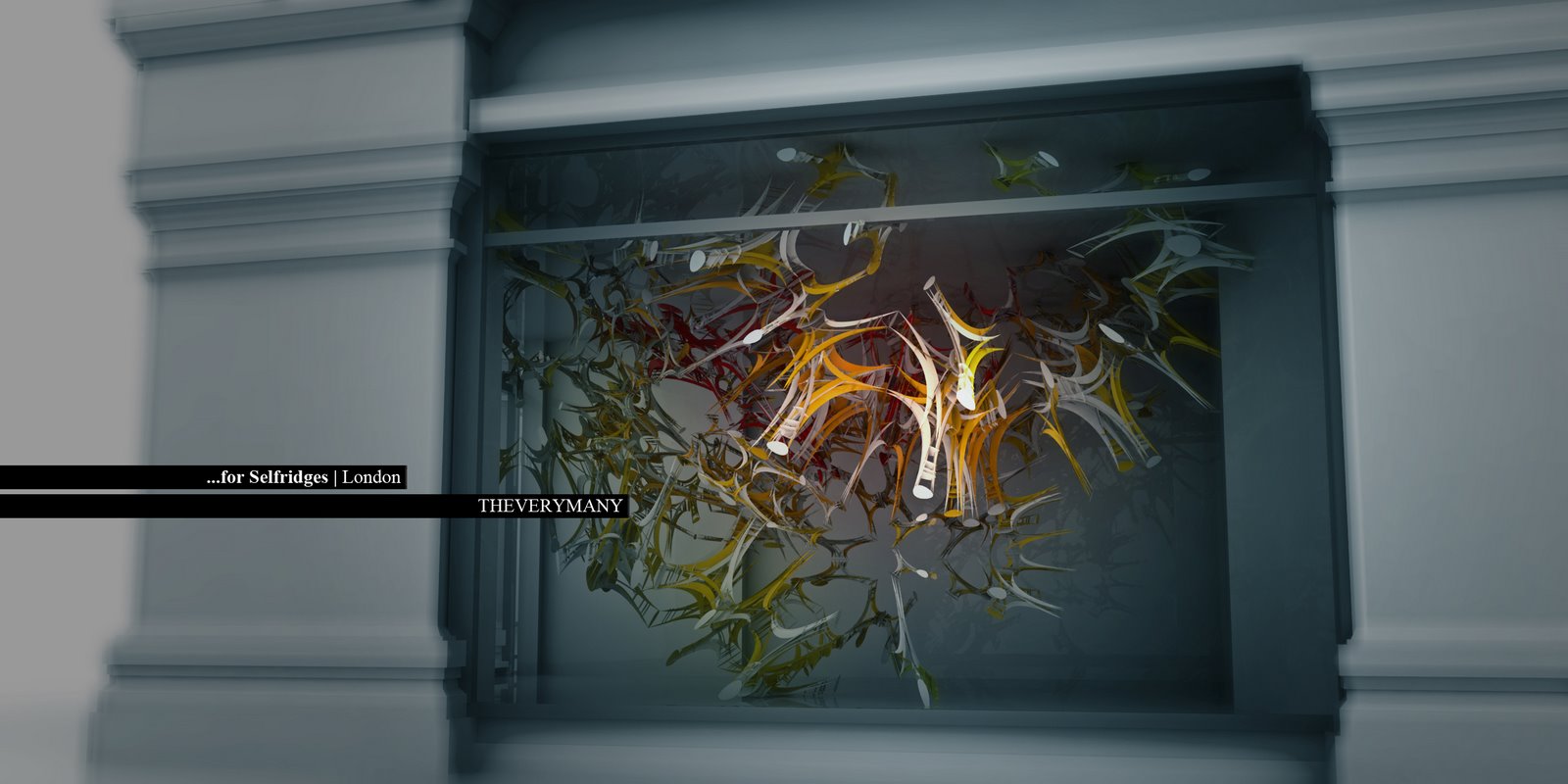
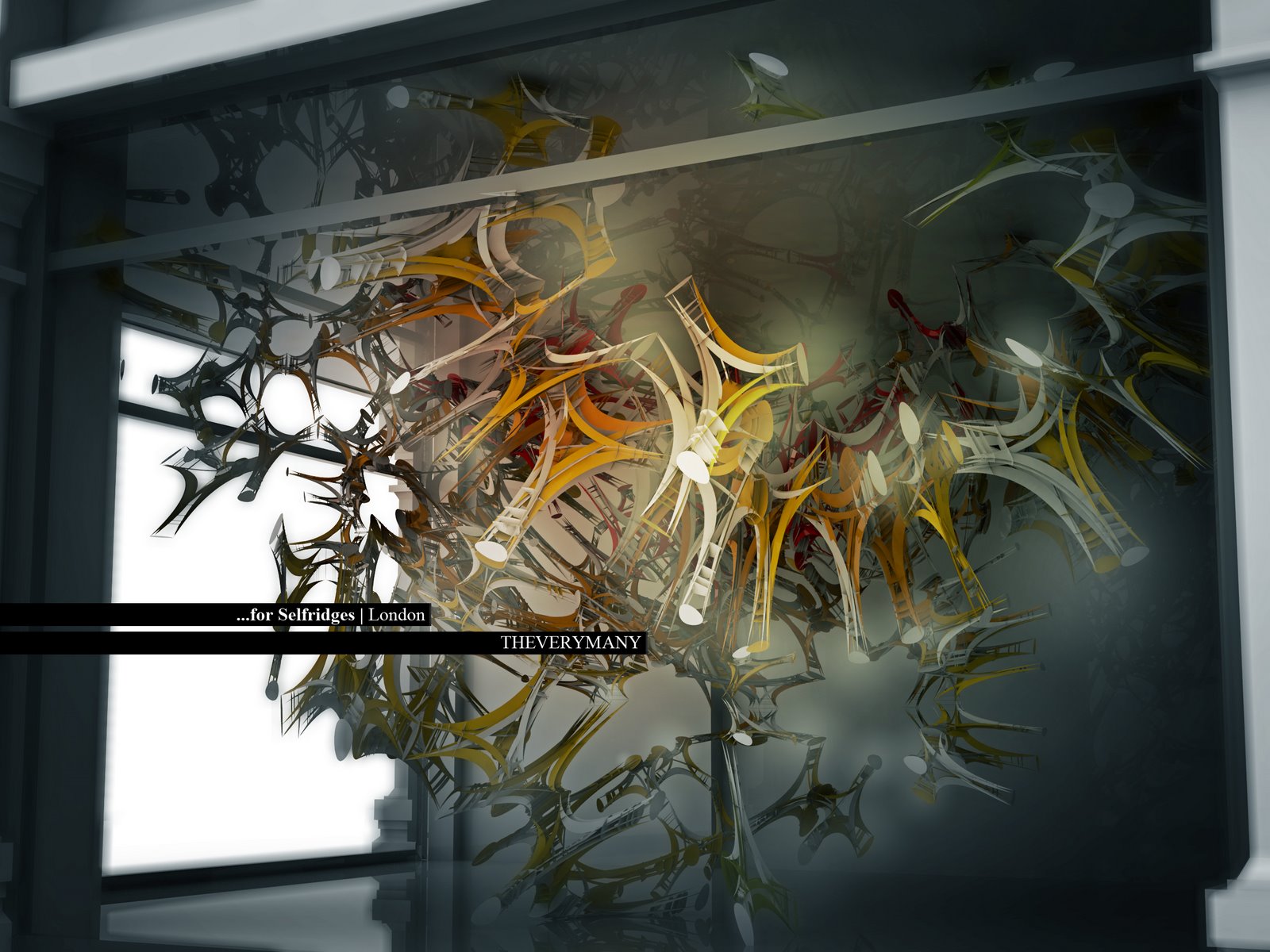
Officially invited as thesis advisor my only reserve at the time was -in order to step ahead from the now over crowded paradigm of cosmetic components array onto surface- to require a scale one test proof of the system that would eventually be developed - so here it is finally standing! (hopefully more pictures to come & already many more on the Tesselion blog)
and yes - this can not been seen as "architectural" but rather to my eyes as required "prototypical"...


TESSELATION : Adaptive Quadrilateral Flat Panelization.
www.tesselion.wordpress.com

THEVERYMANY
Skylar Tibbits (design & code)
Marc Fornes (thesis & code advisor)

Material Sponsor: Alliance Metals (www.alliancemetals.com)
Fabrication Sponsor: Jared Laucks and Continental Signs (www.continentalsigns.net)

Labels: , , , , , ,

Monday, January 21, 2008

080121_Consulting: polyhedrons frame structure 02


following up on some side escapism while running on more "rational" automaton for an exhibition in berlin (more to come soon)
here the previous code developped for the course of a friend at Knowlton School of Architecture has been applied onto some random polyhedrons.


Labels: , , , , ,

Saturday, January 19, 2008

080118_Consulting: polyhedrons frame structure 01


I recently happen to write few codes for Aurel Von Richtofen who is teaching a course/seminar based on rhinoscript at the Knowlton School Of Architecture (Ohio State University) like: select points within closed polygones, points relaxation/explosion, frame along the edge of polygons, etc...
Whenever I have here or there an hour to kill I often happen to re-read a previous code, clean it and often push it slightly further to render few frames - here are some random fast track results...


PROTOCOL (original version):
- for each closed polygons
- for each faces
- extract edges
- add polylines: array(edge start pt, end pt,face centroide)
- offset the curve (on face - toward the centroide)


Many "quick fix" upgrades are possible:
recursive subdivision according to face aera, membrure thickness according to edge length, etc...

Labels: , , , , ,

Tuesday, January 15, 2008

080115_"SunCare"


Tooling development (in progress) for SOM - different codes:

- Panels: honeycomb subdivision of a nurbs surface based on the UV coordinates of an host nurbs surface (here a sphere) - each cells is re-subdivided into planar panels (triangles) which are able to rotate onto the edge they share with the original cell.

- "SUNCARE" : the facade panels are rotating based on a Sun path "analysis" - in that exemple a random arc inclined 45 degree - though can easily be ploted based on the GPS coordinates of the site and the sun data using as parameters the azimuth and elevation (thx to Neil Katz).

- Animation: rhino animation (number of frame according to sun data sampling) where the honeycomb panels open whenever directly exposed to the sun (with decay)...

AZIMUTH AND ELEVATION - an angular coordinate system for locating positions in the sky. Azimuth is measured clockwise from true north to the point on the horizon directly below the object. Elevation is measured vertically from that point on the horizon up to the object. If you know the azimuth of a constellation is 135° from north, and the elevation is 30°, you can look toward the southeast, about a third of the way up from the horizon to locate that constellation. Because our planet rotates, azimuth and elevation numbers for stars and planets are constantly changing with time and with the observer's location on earth.

Labels: , , , ,

Monday, January 14, 2008

080114_Boolean_Series002


Since my very traditionalist architectural educational background in France - the Sphere has been unfortunatly very early on associated my history & theory course and french Neo-classical (though utopist) architects such as "Nicolas Ledoux" - and therefore temporally banished from my formal language ever since; so what is it that suddenly brings it back? was it the Star Wars "baby boom"? is it Rem Koolhaas and his (re-)recent fascination for the icone as primitives like in his recent proposal for the Ras al Khaimah Convention and Exhibition Centre in the UAE?


PROTOCOL:
- pick a closed surface or polysurface
- plot random points within that solid
- assign a sphere to each of the points; its radius being either the same for each or weighted according to the color of the point
- for every point boolean its sphere with his neighbours


"SIDE TRACK" : ELEVEN PROPERTIES OF A SPHERE (ie wikipedia.org)
In their book Geometry and the imagination David Hilbert and Stephan Cohn-Vossen describe eleven properties of the sphere and discuss whether these properties uniquely determine the sphere. Several properties hold for the plane which can be thought of as a sphere with infinite radius. These properties are:


The points on the sphere are all the same distance from a fixed point. Also, the ratio of the distance of its points from two fixed points is constant.
The first part is the usual definition of the sphere and determines it uniquely. The second part can be easily deduced and follows a similar result of Apollonius of Perga for the circle. This second part also holds for the plane.

The contours and plane sections of the sphere are circles.
This property defines the sphere uniquely.

The sphere has constant width and constant girth.
The width of a surface is the distance between pairs of parallel tangent planes. There are numerous other closed convex surfaces which have constant width, for example Meissner's tetrahedron. The girth of a surface is the circumference of the boundary of its orthogonal projection on to a plane. It can be proved that each of these properties implies the other.
A normal vector to a sphere, a normal plane and its normal section. The curvature of the curve of intersection is the sectional curvature. For the sphere each normal section through a given point will be a circle of the same radius, the radius of the sphere. This means that every point on the sphere will be an umbilical point.

All points of a sphere are umbilics.
At any point on a surface we can find a normal direction which is at right angles to the surface, for the sphere these on the lines radiating out from the center of the sphere. The intersection of a plane containing the normal with the surface will form a curve called a normal section and the curvature of this curve is the sectional curvature. For most points on a surfaces different sections will have different curvatures, the maximum and minimum values of these are called the principal curvatures. It can be proved that any closed surface will have at least four points called umbilical points. At an umbilic all the sectional curvatures are equal, in particular the principal curvature's are equal. Umbilical points can be thought of as the points where the surface is closely approximated by a sphere.
For the sphere the curvatures of all normal sections are equal, so every point is an umbilic. The sphere and plane are the only surfaces with this property.

The sphere does not have a surface of centers.
For a given normal section there is a circle whose curvature is the same as the sectional curvature, is tangent to the surface and whose center lines along on the normal line. Take the two center corresponding to the maximum and minimum sectional curvatures these are called the focal points, and the set of all such centers forms the focal surface.
For most surfaces the focal surface forms two sheets each of which is a surface and which come together at umbilical points. There are a number of special cases. For canal surfaces one sheet forms a curve and the other sheet is a surface; For cones, cylinders, toruses and cyclides both sheets form curves. For the sphere the center of every osculating circle is at the center of the sphere and the focal surface forms a single point. This is a unique property of the sphere.

All geodesics of the sphere are closed curves.
Geodesics are curves on a surface which give the shortest distance between two points. They are generalisation of the concept of a straight line in the plane. For the sphere the geodesics are great circles. There are many other surfaces with this property.

Of all the solids having a given volume, the sphere is the one with the smallest surface area; of all solids having a given surface area, the sphere is the one having the greatest volume.
These properties define the sphere uniquely. These properties can be seen by observing soap bubbles. A soap bubble will enclose a fixed volume and due to surface tension it will try to minimize its surface area. Therefore a free floating soap bubble will be approximately a sphere, factors like gravity will cause a slight distortion.

The sphere has the smallest total mean curvature among all convex solids with a given surface area.
The mean curvature is the average of the two principal curvatures and as these are constant at all points of the sphere then so is the mean curvature.

The sphere has constant positive mean curvature.
The sphere is the only surface without boundary or singularities with constant positive mean curvature. There are other surfaces with constant mean curvature, the minimal surfaces have zero mean curvature.

The sphere has constant positive Gaussian curvature.
Gaussian curvature is the product of the two principle curvatures. It is an intrinsic property which can be determined by measuring length and angles and does not depend on the way the surface is embedded in space. Hence, bending a surface will not alter the Gaussian curvature and other surfaces with constant positive Gaussian curvature can be obtained by cutting a small slit in the sphere and bending it. All these other surfaces would have boundaries and the sphere is the only surface without boundary with constant positive Gaussian curvature. The pseudosphere is an example of a surface with constant negative Gaussian curvature.

The sphere is transformed into itself by a three-parameter family of rigid motions.
Consider a unit sphere place at the origin, a rotation around the x, y or z axis will map the sphere onto itself, indeed any rotation about a line through the origin can be expressed as a combination of rotations around the three coordinate axis, see Euler angles. Thus there is a three parameter family of rotations which transform the sphere onto itself, this is the rotation group, SO(3). The plane is the only other surface with a three parameter family of transformations (translations along the x and y axis and rotations around the origin). Circular cylinders are the only surfaces with two parameter families of rigid motions and the surfaces of revolution and helicoids are the only surfaces with a one parameter family.

Labels: , , ,

Friday, August 24, 2007

070824_NurbsFieldAttractor_02


Interesting results for me as the latest outputs are very similar than a previous work from me - within "Play" a DRL group back in 2003; I was there experimenting with particles dynamics within 3dsMax; it took adges on a pentium 2 or 3 to calculate each frames! I left for the Christmas break for 12 days and when I came back my computer was still calulating frames...
Here within rhinoscript it is still not "Fast" but now I do understand the math behind the paramters of those 3dsMax "space warp"...

Labels: , , , , ,

Friday, August 17, 2007

070817_NurbsField


for every pt: sum of attractions = direction; sum of directions in time = path
the sum of paths = nurbsfield; fast track test...

Labels: , , , , ,

Thursday, August 02, 2007

070801_Aperiodic_Series000


very first test or what i would qualify as a "performative computational design sketch" - yet it does look wild - which within the field of "explicit design process" is often consider as "not in control" - I accept the critic - though that one has more thoughts embeded in terms of pre-rational emergent design process that it does look like...


repetition within subdivision - can't argue yet about it as still requires more development - more should come...

Labels: , ,